

DIN982 Nylon Insert Lock Nut (and the DIN985 question): What buyers keep asking me
If you work in fastening, you’ve probably typed din985 lock nut into a search bar more than once. Here’s the thing: the part many buyers actually need is the DIN982 nylon insert lock nut (the “tall” type), while DIN985 is the lower, thin type. Function is similar, height differs. In day-to-day purchasing, they get cross-referenced all the time—honestly, I see this mix-up weekly.
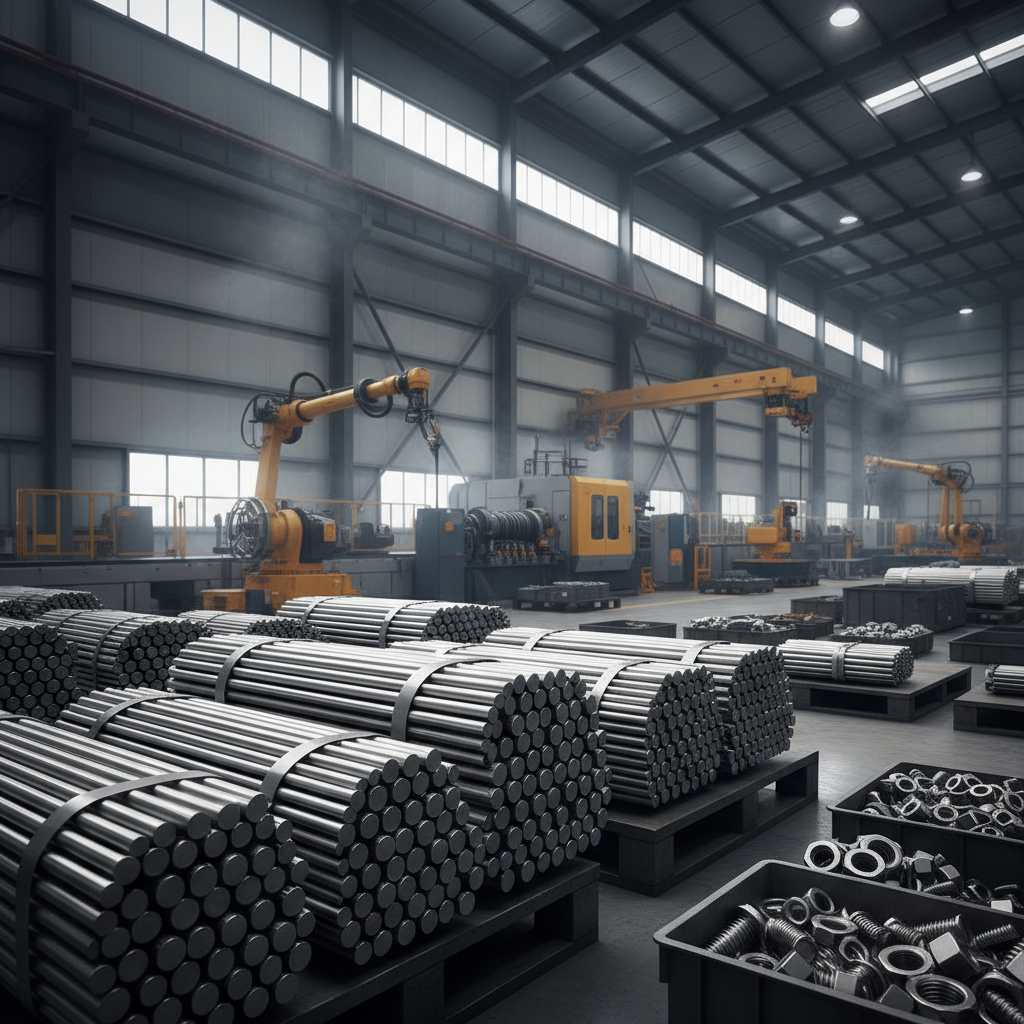
This write-up leans on field notes from Hebei (Dongtantou North, Yongnian), where carbon-steel, zinc-plated lock nuts are churned out at industrial scale. The factory item is the DIN982 Nylon Insert Lock Nut—metric and inch—available from M5 up to M56, with common grades 4/6/8/10/12. And yes, you can spec Q195, 1035, 1045 or 10B21, heat-treated per need.
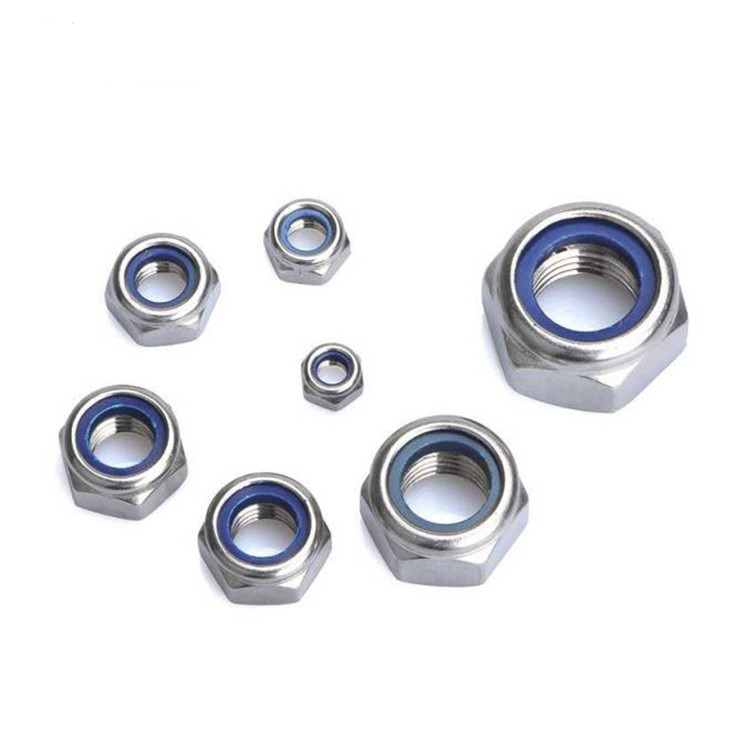
Quick specs (real-world use may vary)
| Product | DIN982 Nylon Insert Lock Nut (interchange with din985 lock nut in some assemblies; check height) |
| Sizes | M5–M56; metric & imperial |
| Materials | Carbon steel Q195, 1035, 1045, 10B21; PA6/PA66 nylon insert |
| Grades | 4, 6, 8, 10, 12 (ISO 898-2) |
| Heat treatment | Tempering, quenching, spheroidizing, annealing (as required) |
| Coatings | Zinc plated per ISO 4042 / ASTM B633; optional ZnNi, Dacromet, HDG |
| Thread fit | 6H (typ.), per DIN/ISO |
| Standards | DIN 982/985, ISO, GB, ANSI/ASTM, BS, BSW, JIS |
| Origin | Dongtantou North, Yongnian, Hebei, China |
Manufacturing flow (what I saw on the floor)
- Incoming wire rod check (chemistry + diameter)
- Cold forming and trimming
- Tapping (go/no-go 6H)
- Heat treatment to grade spec
- Surface finishing (zinc per ISO 4042)
- Nylon ring insertion (PA66, stabilized)
- Functional testing to ISO 2320 (prevailing torque)
- Salt spray per ISO 9227 (e.g., 72–480 h depending on coating)
- Final sorting, packaging, trace code
Internal lab snapshot: M10 Grade 8 sample showed initial prevailing torque ≈ 2.8–6.5 N·m; removal after 5 cycles ≈ 2.0–5.0 N·m. Your mileage will vary with lube, finish, and temperature.
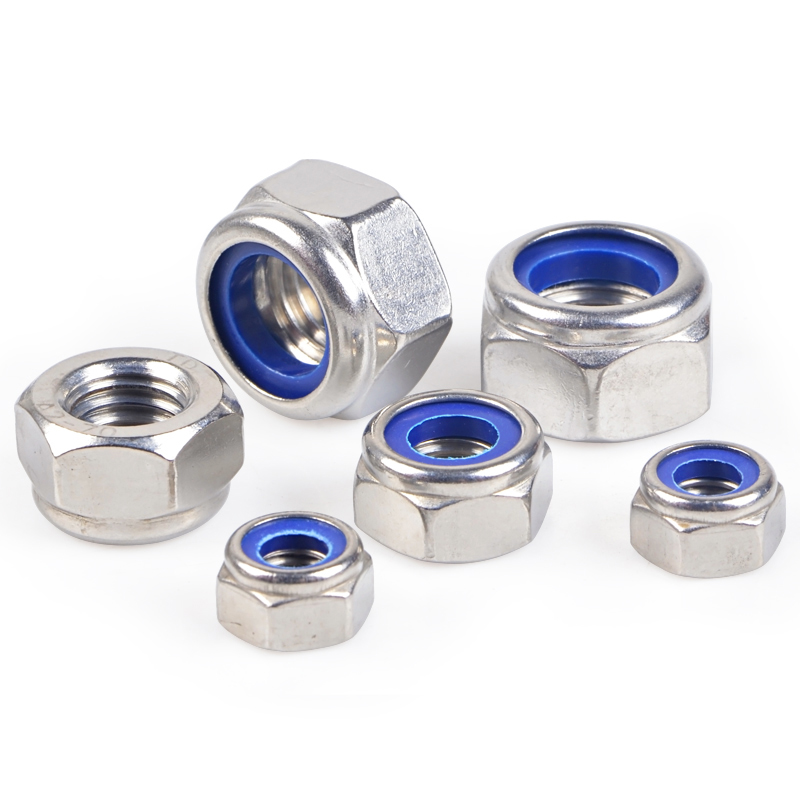
Where they’re used (and why)
- Automotive and trailers: vibration resistance, PPAP on request
- Construction steelwork and MEP systems
- Rail, agriculture, wind, and light machinery
- Electrical enclosures; HVAC frames; solar racking
Service life? In sheltered, inland environments with standard zinc, buyers report 10+ years; coastal or cyclic-vibration duty calls for higher grade + ZnNi or mechanical locking backup. Many customers say the taller DIN982 holds thread engagement a touch better than the thin din985 lock nut.
Customization
Non-standard threads, flange forms, colors for nylon rings, and special torque windows are doable from drawings or samples. OEM branding, bags/boxes with barcodes, and RoHS/REACH-compliant finishes are typical.
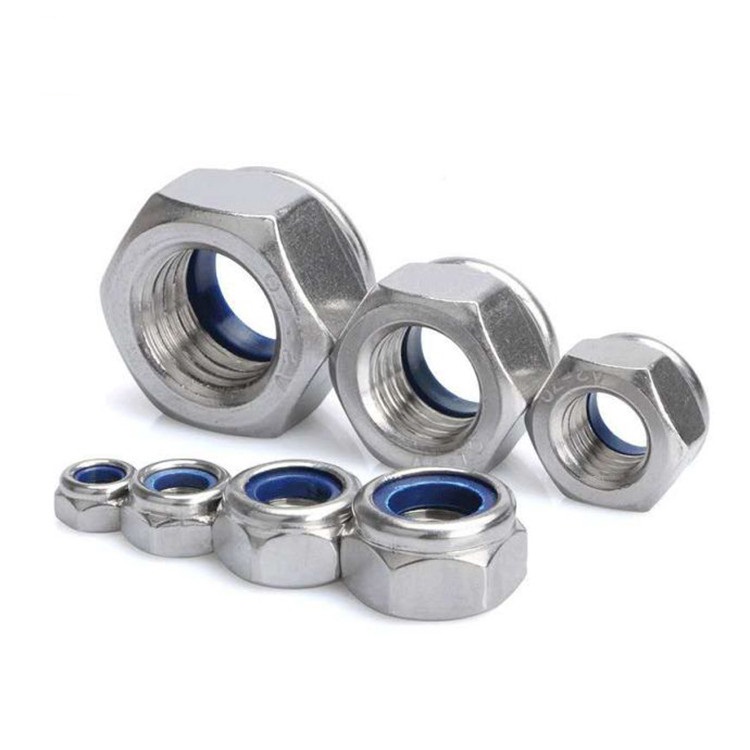
Vendor snapshot (what to compare)
| Vendor | Strengths | Watch-outs |
|---|---|---|
| Hebei Factory (DIN982 focus) | Wide size range M5–M56; fast lead times; ISO 2320 testing; OEM | Specify torque window clearly; packaging QC matters |
| Generic Trader | Low MOQs; mixed sourcing | Inconsistent lots; unclear certificates |
| EU Premium Brand | Tight torque bands; extensive traceability | Higher price; longer lead times |
Mini case notes
Construction hoist retrofit: Switched from thin din985 lock nut to DIN982 Grade 10 with ZnNi; torque retention after 1e6 cycles improved ≈ 18% in rig tests.
Solar racking in coastal site: Standard zinc failed 240 h NSS. Upgraded to 480 h pass with trivalent Zn + seal; complaints dropped to near zero the next season.
Compliance & testing checklist
- Mechanical: ISO 898-2 (nuts), functional: ISO 2320 (prevailing torque)
- Finish: ISO 4042 / ASTM B633; corrosion: ISO 9227 (NSS)
- Dimensions: DIN 982 / DIN 985; inch: ASME B18.16.6
- Quality: ISO 9001; automotive docs (e.g., PPAP) if required
Citations:
1. ISO 2320: Prevailing torque type steel hex nuts — Functional properties
2. ISO 898-2: Mechanical properties of fasteners — Nuts
3. DIN 982 / DIN 985: Hexagon nuts with nylon insert
4. ISO 4042 / ASTM B633: Electroplated coatings on steel
5. ISO 9227: Corrosion tests in artificial atmospheres (salt spray)
6. ASME B18.16.6: Prevailing-torque type steel hex locknuts
Post time: Oct . 06, 2025 00:45



 English
  Albanian
  Arabic
  Armenian
  Azerbaijani
  Belarusian
  Bosnian
  Bulgarian
  Cebuano
  Corsican
  Czech
Czech  Galician
  Georgian
  Greek
Greek  Hausa
Hausa  Hebrew
  Hungarian
  Igbo
Igbo  Indonesian
  Italian
  Kazakh
  Khmer
Khmer  Korean
  Kurdish
  Kyrgyz
  Lao
Lao  Latin
Latin  Latvian
  Lithuanian
  Malay
Malay  Myanmar
  Nepali
  Polish
  Portuguese
  Russian
  Serbian
  Sesotho
  Shona
Shona  Sindhi
  Spanish
  Tagalog
  Tajik
Tajik  Thai
Thai  Turkish
  Turkmen
  Ukrainian
  Uzbek
Uzbek  Vietnamese
  Yoruba
  Zulu
Zulu