
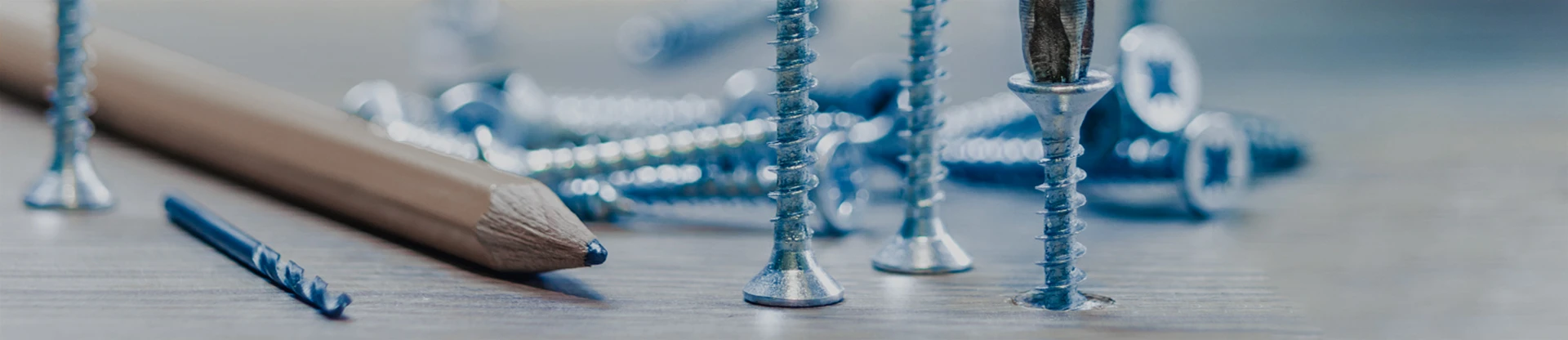
Introduction to DIN982 Nylon Insert Lock Nuts
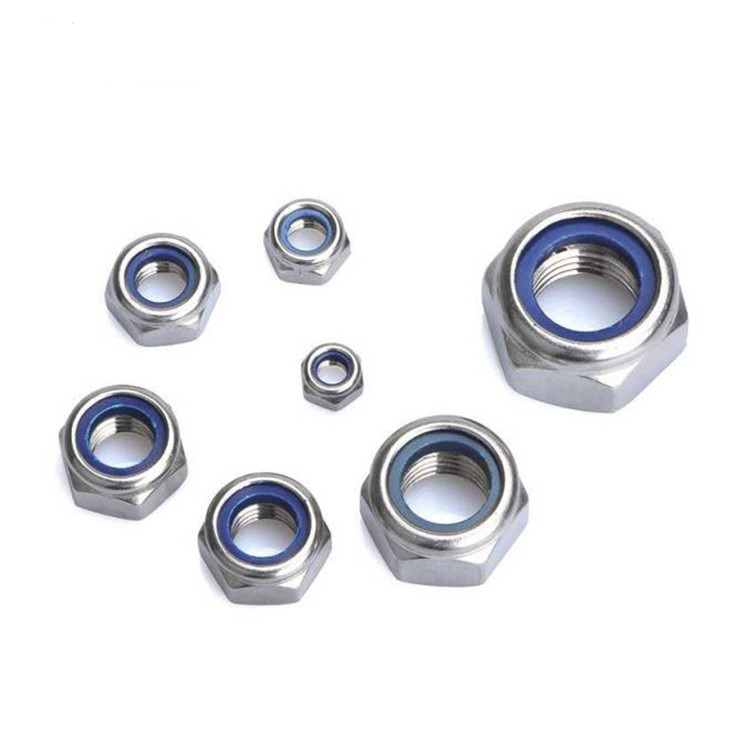
In critical industrial applications where fastener integrity is paramount, the choice of locking mechanisms can significantly impact operational safety and long-term cost-efficiency. Among the most reliable solutions available today is the DIN982 Nylon insert lock nut carbon steel zinc plated. This specialized fastener is engineered to resist loosening under dynamic loads, severe vibrations, and fluctuating thermal conditions, providing a robust solution for securing bolted joints in demanding environments. Its design, combining a precise metric thread with an integrated non-metallic insert, ensures consistent prevailing torque, crucial for maintaining joint preload.
The DIN 982 standard specifies the dimensions and performance characteristics of these non-metallic insert lock nuts, ensuring interoperability and consistent quality across manufacturers. The use of carbon steel as the base material, coupled with a zinc-plated finish, provides a balance of high tensile strength, ductility, and enhanced corrosion resistance, making it suitable for a wide array of industrial applications. This document delves into the intricacies of this fastener, exploring its manufacturing, technical specifications, diverse applications, and inherent advantages for B2B decision-makers.
Manufacturing Process: Precision and Durability
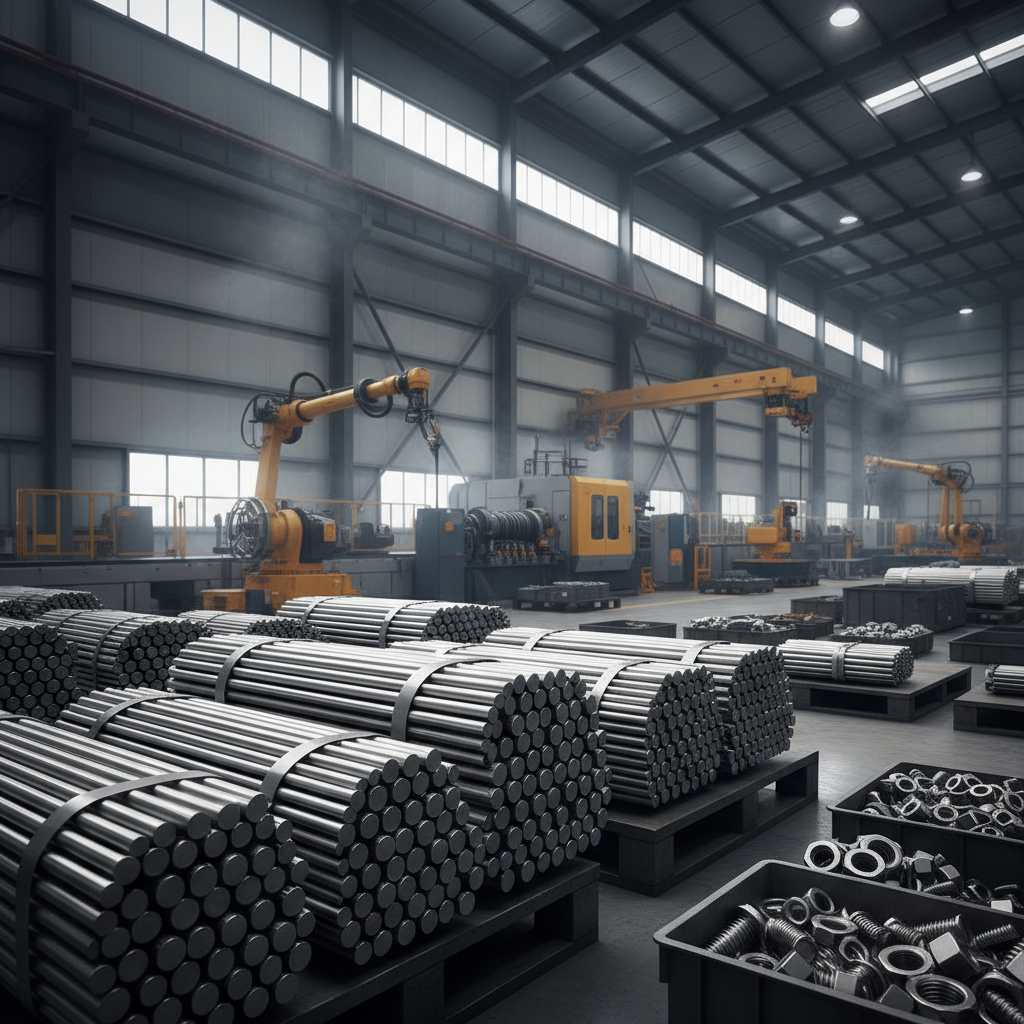
The production of a DIN982 Nylon insert lock nut carbon steel zinc plated is a multi-stage process involving meticulous material selection, advanced forming techniques, precise threading, surface treatment, and final assembly. Each step is critical to achieving the specified mechanical properties, dimensional accuracy, and locking performance required by the DIN 982 standard.
Process Flow Overview:
- Material Selection (Carbon Steel): High-quality carbon steel wire rods are selected based on specified mechanical properties (e.g., tensile strength, yield strength), typically grades like C1008, C1010, or medium carbon steels for higher strength classes (e.g., 8.8, 10.9). Material certifications are strictly reviewed to ensure compliance with international standards such as ASTM A576 or EN 10016.
- Cold Forging/Heading: The steel wire is cut into blanks, which are then cold-forged in multi-station forming machines. This process shapes the nut body, including the hex head and the blank for the internal thread. Cold forging enhances material strength and grain structure, minimizing material waste.
- Threading: The internal threads (e.g., M8, M12, M24) are formed using tapping machines. Precision threading is essential to ensure proper engagement with bolts and to meet dimensional tolerances specified in ISO 965.
- Heat Treatment (Optional but Common): For higher strength classes (e.g., class 8 or 10), the nuts undergo heat treatment (quenching and tempering) to achieve the desired hardness and mechanical properties. This process is carefully controlled to prevent hydrogen embrittlement.
- Nylon Insert Forming/Insertion: A crucial step is the creation of the nylon collar. A portion of the nut body is crimped or reformed to create a pocket for the nylon ring. The nylon (typically PA 6.6) is then inserted into this pocket. The nylon insert is a critical component, providing the friction required for the locking mechanism. Its elastic deformation around the bolt threads creates the prevailing torque.
- Zinc Plating: To enhance corrosion resistance, the carbon steel nuts undergo electroplating with zinc. This process involves cleaning, pickling, and then immersing the nuts in a zinc electrolyte bath where an electric current deposits a thin, uniform layer of zinc onto the surface. Common finishes include clear (blue) zinc, yellow zinc, or black zinc, often followed by a chromate conversion coating for improved passivation and corrosion protection. Zinc plating also offers sacrificial protection, corroding before the base steel.
-
Quality Control & Testing: Throughout the process, strict quality control measures are implemented. This includes:
- Dimensional inspection (calipers, gauges).
- Mechanical testing (proof load, tensile strength, hardness per ISO 898-2).
- Prevailing torque testing (to ensure locking efficacy per ISO 2320).
- Corrosion resistance testing (salt spray tests per ISO 9227 for zinc plating).
- Nylon insert integrity and reusability testing.
- Packaging: Final inspection and packaging according to customer specifications, ensuring product integrity during transit.
This meticulous manufacturing regimen ensures that each DIN982 Nylon insert lock nut carbon steel zinc plated delivers consistent performance, offering a service life optimized for its intended application, often exceeding the operational life of the equipment it secures when properly installed.
Industry Trends & Market Dynamics
The industrial fastener market, particularly for specialized locking nuts like the DIN982 Nylon insert lock nut carbon steel zinc plated, is continuously evolving. Several key trends are shaping demand and technological advancements:
- Enhanced Performance and Material Innovation: There's a growing demand for fasteners that can withstand increasingly extreme conditions, including higher temperatures, corrosive environments, and more aggressive vibration profiles. While standard nylon inserts perform well, research into advanced polymer composites for the locking element aims to extend temperature limits and reusability cycles.
- Sustainability and Environmental Compliance: The industry is moving towards more environmentally friendly manufacturing processes and coatings. Alternatives to traditional zinc plating, such as zinc-nickel or non-chrome passivation, are gaining traction to meet stricter environmental regulations (e.g., RoHS, REACH directives) while maintaining or improving corrosion resistance.
- Smart Fasteners and IoT Integration: Although still nascent for standard lock nuts, the concept of "smart fasteners" with embedded sensors to monitor tension, temperature, or vibration in real-time is an emerging trend in critical infrastructure. This could eventually influence the design and application of even conventional fasteners in high-stakes environments.
- Supply Chain Resilience and Localization: Recent global events have highlighted the importance of robust and resilient supply chains. Businesses are increasingly seeking suppliers who can offer consistent quality, reliable lead times, and, where possible, localized manufacturing or robust multi-source strategies for critical components like specialized lock nuts.
- Standardization and Digitalization: The continued reliance on international standards like DIN and ISO facilitates global trade and interoperability. Concurrently, digitalization in product design, simulation, and inventory management is streamlining procurement and application engineering for B2B clients.
These trends underscore the importance of selecting not just a product, but a supplier who is innovative, compliant, and reliable, capable of meeting evolving industrial demands.
Technical Specifications & Performance Parameters
Understanding the detailed technical specifications of the DIN982 Nylon insert lock nut carbon steel zinc plated is crucial for proper selection and application. Key parameters govern its mechanical strength, locking capability, and environmental resistance.
Typical Product Specifications:
| Parameter | Description / Value | Standard |
|---|---|---|
| Standard | DIN 982 (High Hexagon Type) | ISO 7040 equivalent |
| Material (Nut Body) | Carbon Steel (e.g., C1008, C1010, C1035, C1045) | ASTM A576 / EN 10016 |
| Strength Class | Class 5, 8, 10 (corresponding to bolt classes) | ISO 898-2 |
| Nylon Insert Material | Polyamide 6.6 (PA 6.6) | |
| Surface Treatment | Zinc Plated (Clear, Yellow, Black) | ISO 4042 / ASTM B633 |
| Corrosion Resistance | >72 hours (White Rust), >120 hours (Red Rust) for common plating | ISO 9227 (Salt Spray Test) |
| Thread Type | Metric Coarse / Fine Thread | ISO 261 / ISO 965 |
| Size Range | M3 to M64 (Common M6 to M36) | DIN 982 |
| Operating Temperature | -40°C to +100°C (Nylon 6.6) | |
| Reusability | Typically 5-10 times while maintaining prevailing torque | ISO 2320 |
The prevailing torque, a key performance indicator for nylon insert lock nuts, is the resistance to rotation of the nut without any axial load. This resistance is generated by the elastic deformation of the nylon insert against the mating bolt threads. Per ISO 2320, the prevailing torque must fall within specified minimum and maximum values to ensure effective locking while allowing for installation.
Diverse Application Scenarios
The robust design and reliable locking mechanism of the DIN982 Nylon insert lock nut carbon steel zinc plated make it an indispensable component across a multitude of industries where vibration, shock, and precise assembly are critical concerns.
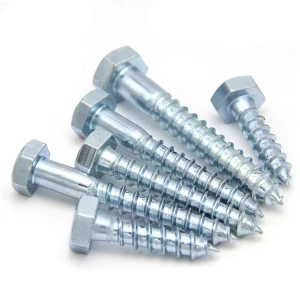
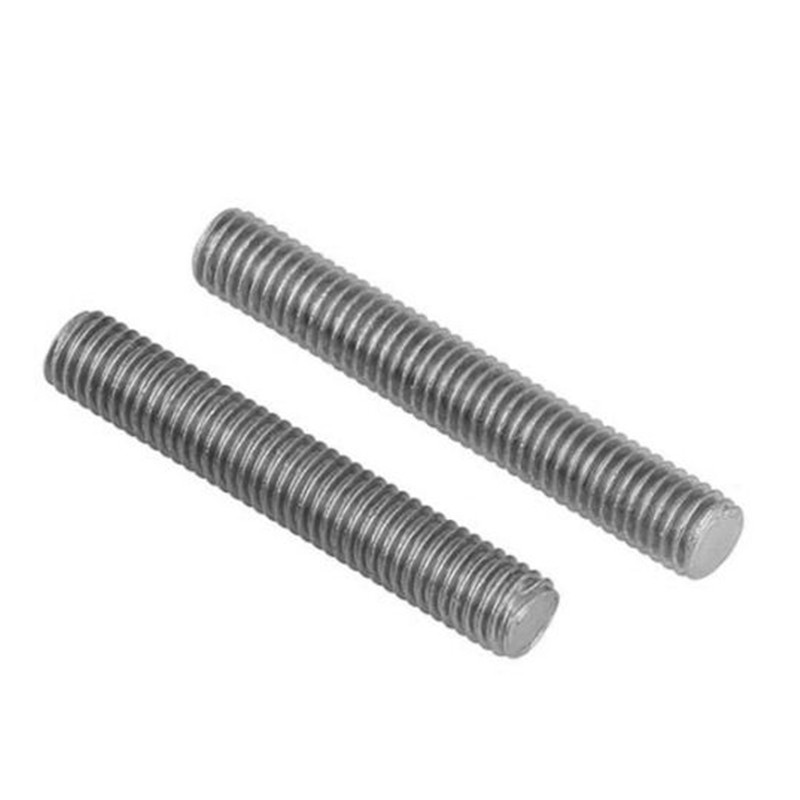
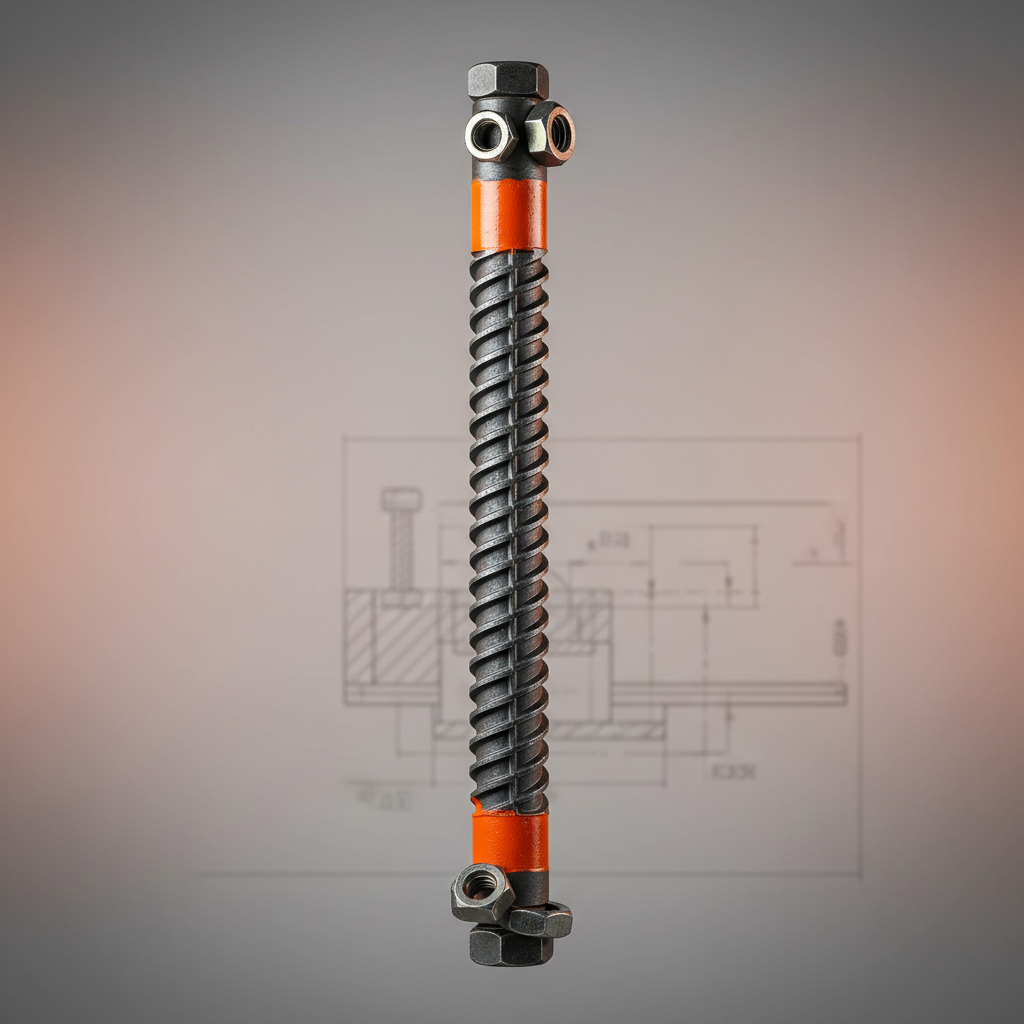
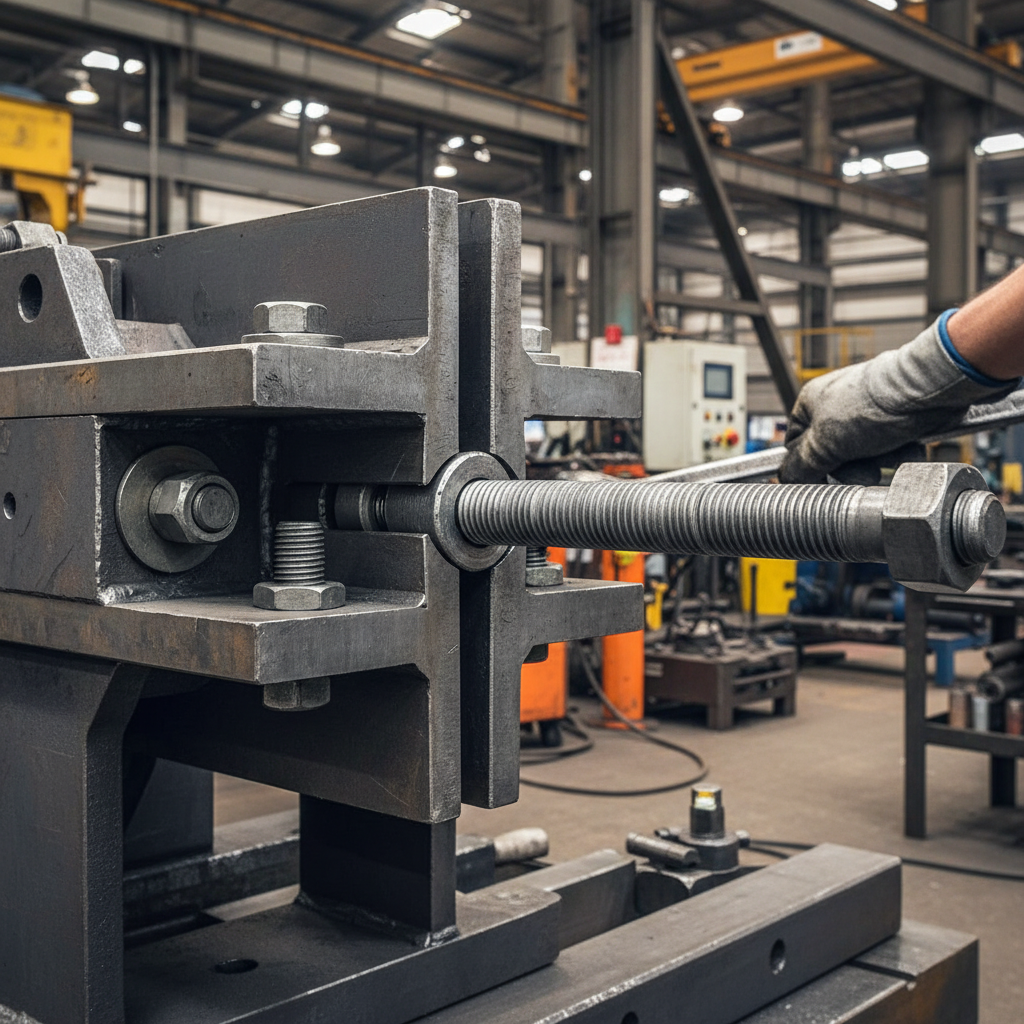
Image: Example of a fastener component, illustrating the precision typical of DIN982 lock nuts.
- Automotive Industry: Used extensively in vehicle assembly for chassis components, engine mounts, exhaust systems, and suspension linkages where constant vibration and dynamic loads necessitate reliable locking to prevent catastrophic failures. The zinc plating offers resistance to road salts and environmental exposure.
- Machinery and Equipment Manufacturing: From heavy industrial machinery to precision agricultural equipment, these nuts secure critical connections in gearboxes, pumps, motors, and structural frames, ensuring operational longevity and safety. Their ability to maintain preload under continuous operation is highly valued.
- Construction and Infrastructure: Employed in structural steelwork, bridge construction, heavy equipment assembly, and scaffolding where fasteners are subjected to significant static and dynamic stresses. The corrosion resistance of the zinc plating is beneficial for outdoor applications.
- Petrochemical and Energy Sector: Used in securing pipelines, valve assemblies, pumps, and structural supports in refineries, power plants, and offshore platforms. While direct exposure to harsh chemicals might require specialized coatings, the standard zinc plating offers initial protection in less aggressive environments, complementing the vibration resistance.
- Water Supply & Drainage Systems: Ideal for flange connections, pump installations, and pipe supports where vibration from fluid flow and periodic maintenance require fasteners that won't loosen prematurely.
- Renewable Energy (Wind Turbines, Solar Farms): In wind turbine towers and blade assemblies, where cyclical loads and constant vibrations are present, these nuts ensure the integrity of critical bolted joints. For solar panel mounting structures, they offer reliable, long-term fastening solutions.
In these diverse applications, the DIN982 Nylon insert lock nut carbon steel zinc plated excels by preventing costly downtime, enhancing safety, and reducing maintenance frequency by offering superior resistance to self-loosening compared to standard nuts.
Technical Advantages: Unmatched Reliability
The unique design and material combination of the DIN982 Nylon insert lock nut carbon steel zinc plated provide several distinct technical advantages over conventional fastening methods.
- Superior Vibration Resistance: The primary advantage is its exceptional resistance to loosening caused by vibration and dynamic loads. The nylon insert deforms elastically around the bolt threads upon installation, creating a constant radial force. This frictional interference, known as prevailing torque, effectively prevents relative motion between the nut and bolt, even when the bolted joint experiences transverse movement or axial relaxation. This eliminates the need for secondary locking devices like lock washers or double nutting.
- Reliable Locking Mechanism: Unlike chemical thread-lockers that are permanent or require specific curing times, the mechanical locking action of the nylon insert is immediate upon installation and does not degrade under oil, grease, or most industrial solvents, within the specified temperature range.
- Enhanced Corrosion Protection: The zinc plating offers a sacrificial layer that protects the underlying carbon steel from rust and corrosion. This significantly extends the service life of the fastener, particularly in outdoor or mildly corrosive environments, reducing maintenance costs and ensuring structural integrity over time.
- Reusability: While not infinite, these nuts generally maintain their locking capabilities for multiple installation and removal cycles (typically 5-10 times, depending on application and torque). This reusability can lead to material cost savings and simplifies maintenance procedures compared to one-time-use locking mechanisms.
- Temperature Resilience: The polyamide 6.6 insert is effective over a wide operating temperature range, typically from -40°C to +100°C. Beyond this, specialized high-temperature nylon variants or all-metal lock nuts would be required.
- Cost-Effectiveness: When considering the total cost of ownership, including installation time, prevention of failures, and reduced maintenance, the initial investment in a quality nylon insert lock nut is often offset by significant long-term savings.
These combined attributes position the DIN982 nylon insert lock nut as a preferred choice for engineers and procurement managers seeking reliable, safe, and efficient fastening solutions.
Vendor Comparison and Selection Criteria
Selecting the right supplier for DIN982 Nylon insert lock nut carbon steel zinc plated is as critical as selecting the product itself. B2B decision-makers should evaluate vendors based on a comprehensive set of criteria that goes beyond mere pricing.
Key Factors for Vendor Evaluation:
| Criteria | Description for B2B Evaluation |
|---|---|
| Quality Certifications | Look for ISO 9001 (Quality Management System), ISO 14001 (Environmental Management), and IATF 16949 (Automotive Quality) if applicable. These demonstrate commitment to consistent quality. |
| Product Compliance | Ensure strict adherence to DIN 982, ISO 7040, and relevant material standards (e.g., ISO 898-2 for strength classes, ISO 9227 for plating corrosion). Verify test reports and material certificates. |
| Manufacturing Capabilities | Evaluate if the vendor has in-house manufacturing, robust QC processes, and the capacity to meet volume demands and specialized requirements. |
| Customization Options | Ability to produce non-standard sizes, different plating options (e.g., Dacromet, Geomet, zinc-nickel), specific material grades, or varying nylon insert types. |
| Technical Support & Expertise | Availability of technical specialists to assist with application engineering, torque recommendations, failure analysis, and material compatibility queries. |
| Lead Time & Logistics | Reliable production schedules, inventory management, and efficient global logistics for timely delivery and supply chain stability. |
| References & Reputation | Client testimonials, industry reputation, and track record of serving reputable companies within relevant sectors. |
A thorough vendor assessment ensures not only product quality but also a reliable partnership that contributes to the success and efficiency of your operations.
Customized Solutions for Specialized Needs
While the standard DIN982 Nylon insert lock nut carbon steel zinc plated meets a broad range of industrial requirements, specific applications often necessitate customized solutions. Reputable manufacturers offer extensive customization capabilities to address unique engineering challenges.
- Material Variations: Beyond standard carbon steel, nuts can be produced from higher strength alloy steels for extreme loads or specific stainless steel grades for enhanced corrosion resistance (though this would change the core product description, it’s a customization option generally).
- Specialized Coatings: While zinc plating is standard, other coatings can be applied for superior performance:
- Zinc-Nickel (ZnNi): Offers significantly higher corrosion resistance (up to 1000+ hours salt spray) and improved wear resistance, often replacing cadmium.
- Dacromet/Geomet: Non-electrolytic, inorganic coatings providing excellent corrosion protection without hydrogen embrittlement risk, suitable for high-strength fasteners.
- Phosphate Coatings: Offer good corrosion resistance in combination with oil, primarily for internal use or specific aesthetics.
- Nylon Insert Alternatives: For extended temperature ranges or chemical compatibility, the nylon insert can be substituted with other polymers, such as:
- Vespel (Polyimide): For applications up to 280°C (536°F).
- Peek (Polyether ether ketone): For high-temperature and chemical resistance.
- Dimensional Modifications: Custom dimensions for hex width across flats, thread pitches, or overall height to fit unique assembly constraints.
- Thread Form Adjustments: Specific thread forms or tolerances for highly specialized applications.
- Packaging and Kitting: Custom packaging, bulk quantities, or kitted solutions designed for efficient assembly lines.
Engaging with a manufacturer that possesses strong R&D capabilities and a flexible production line is paramount for developing custom fastening solutions that precisely meet stringent performance requirements.
Application Case Studies: Proving Performance
Real-world applications demonstrate the tangible benefits of utilizing the DIN982 Nylon insert lock nut carbon steel zinc plated in critical scenarios.
Case Study 1: Heavy Duty Vehicle Axle Assembly
A major manufacturer of commercial trucks faced recurring issues with axle retaining nuts loosening due to severe road vibrations and dynamic braking forces. Traditional lock washers proved insufficient, leading to costly warranty claims and safety concerns. After extensive testing, they implemented custom-grade DIN982 Nylon insert lock nut carbon steel zinc plated, specifically designed for higher strength classes. The results were immediate: the prevailing torque provided by the nylon insert consistently held the critical preload, eliminating loosening issues. This led to a 40% reduction in field failures related to fastener loosening and significant savings in warranty and recall costs. Customer feedback highlighted improved vehicle reliability and reduced maintenance intervals.
Case Study 2: Industrial Pump Mounting in a Petrochemical Plant
In a petrochemical processing plant, centrifugal pumps operating continuously generated significant vibration, causing the mounting bolts for critical fluid transfer pumps to loosen. This resulted in frequent unscheduled shutdowns for re-tightening, impacting production efficiency. Switching to DIN982 nylon insert lock nuts on the pump base and motor mounts provided a robust solution. The zinc-plated carbon steel offered sufficient corrosion resistance for the ambient plant environment, and the nylon insert ensured the nuts remained securely fastened despite constant operational vibrations. The plant reported a 90% reduction in fastener-related pump shutdowns, significantly increasing operational uptime and safety.
Case Study 3: Renewable Energy Wind Turbine Blade Fasteners
A manufacturer of large-scale wind turbines sought a reliable fastening solution for the intricate blade pitch mechanism, an area subjected to constant cyclical loading, fatigue, and environmental exposure. Due to the high cost of maintenance in remote locations, a highly reliable, long-life fastener was crucial. They adopted a specially coated DIN982 Nylon insert lock nut carbon steel zinc plated with enhanced corrosion resistance (e.g., zinc-nickel) for this application. The nuts demonstrated exceptional performance in maintaining preload under sustained vibratory and dynamic loads, dramatically extending the maintenance cycle for these critical components and contributing to the overall reliability and energy generation efficiency of the turbines.
Trustworthiness: FAQ, Lead Time, Warranty, & Support
Frequently Asked Questions (FAQ):
- Q: What is the primary function of the nylon insert?
- A: The nylon insert creates a frictional interference with the bolt threads, generating a prevailing torque that resists loosening caused by vibration and shock, effectively locking the nut in place.
- Q: Can DIN982 Nylon insert lock nut carbon steel zinc plated be reused?
- A: Yes, they are generally reusable. The DIN 982 standard (and ISO 2320) specifies that the prevailing torque should remain within certain limits after multiple removal and reinstallation cycles. Typically, 5-10 reuses are possible, but this can vary based on application and specific torque requirements.
- Q: What is the maximum operating temperature for these nuts?
- A: With a standard Polyamide 6.6 (Nylon 6.6) insert, the maximum continuous operating temperature is approximately +100°C (212°F). Above this, the nylon may soften, reducing its locking effectiveness. For higher temperatures, specialized high-temperature polymer inserts or all-metal lock nuts are recommended.
- Q: Is zinc plating sufficient for outdoor marine environments?
- A: While zinc plating offers good corrosion resistance in many outdoor and mildly corrosive environments, it may not be sufficient for highly aggressive marine or chemical environments. For such applications, stainless steel nuts with appropriate locking mechanisms, or specialized coatings like zinc-nickel, Dacromet, or Geomet are typically recommended.
Lead Time & Fulfillment Details:
Standard DIN982 Nylon insert lock nut carbon steel zinc plated in common sizes (M6-M36) are often available ex-stock or with short lead times of 1-3 weeks, depending on order volume. For customized solutions, including specific coatings, materials, or non-standard dimensions, lead times may range from 4-8 weeks, depending on complexity and production queue. We maintain a robust inventory management system and leverage efficient logistics networks to ensure timely delivery globally. Specific lead times can be confirmed upon quotation.
Warranty Commitments:
We stand by the quality of our fasteners. All our DIN982 Nylon insert lock nut carbon steel zinc plated products are supplied with a standard warranty against manufacturing defects, material flaws, and non-conformance to specified DIN standards for a period of 12 months from the date of purchase. This warranty covers replacement or credit for defective products, provided they have been stored, handled, and installed in accordance with industry best practices and our recommendations. Detailed warranty terms are available upon request.
Customer Support Information:
Our dedicated customer support team and technical specialists are available to assist with all inquiries, from product selection and application engineering to order processing and after-sales support.
- Technical Assistance: For detailed product specifications, torque recommendations, or material compatibility advice, please contact our engineering department.
- Sales & Ordering: For quotes, order placement, or stock inquiries, our sales team is ready to help.
- General Inquiries: Reach out via email or phone for any other questions.
We are committed to providing exceptional service and building lasting partnerships.
References
- ISO 2320:2015, Prevailing torque type steel hexagon nuts – Mechanical and performance properties. International Organization for Standardization.
- ISO 898-2:2012, Mechanical properties of fasteners made of carbon steel and alloy steel – Part 2: Nuts with specified property classes – Coarse thread and fine pitch thread. International Organization for Standardization.
- DIN 982:2013, Hexagon nuts with non-metallic insert, prevailing torque type – Product grade A and B. Deutsches Institut für Normung e.V.
- ASTM B633-19, Standard Specification for Electrodeposited Coatings of Zinc on Iron and Steel. ASTM International.
- Collins, J. A. (2010). Failure of Materials in Mechanical Design. John Wiley & Sons.
Post time: Sep . 19, 2025 11:01


 English
  Albanian
  Arabic
  Armenian
  Azerbaijani
  Belarusian
  Bosnian
  Bulgarian
  Cebuano
  Corsican
  Czech
Czech  Galician
  Georgian
  Greek
Greek  Hausa
Hausa  Hebrew
  Hungarian
  Igbo
Igbo  Indonesian
  Italian
  Kazakh
  Khmer
Khmer  Korean
  Kurdish
  Kyrgyz
  Lao
Lao  Latin
Latin  Latvian
  Lithuanian
  Malay
Malay  Myanmar
  Nepali
  Polish
  Portuguese
  Russian
  Serbian
  Sesotho
  Shona
Shona  Sindhi
  Spanish
  Tagalog
  Tajik
Tajik  Thai
Thai  Turkish
  Turkmen
  Ukrainian
  Uzbek
Uzbek  Vietnamese
  Yoruba
  Zulu
Zulu