
DIN933 Hex Bolt: Field Notes, Full Specs, and What Buyers Really Care About
If you’ve spent time around job sites or assembly lines, you already know the humble din933 hex bolt is the quiet hero. I’ve watched crews argue over coatings and property classes more than once—usually for good reason. The right choice sticks. The wrong one, well, that’s callbacks and corrosion.
What It Is (and how length is measured)
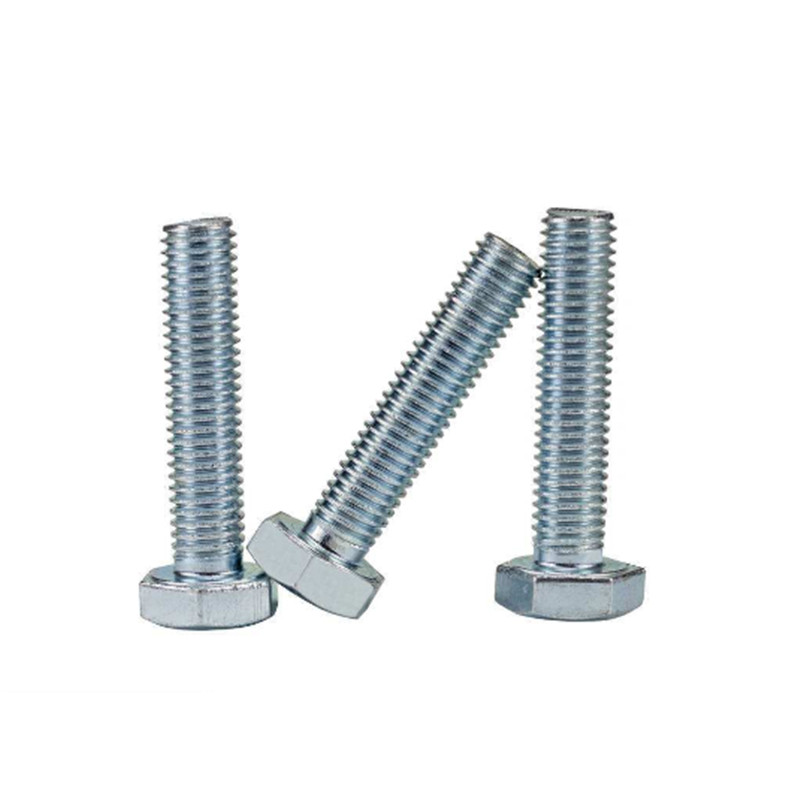
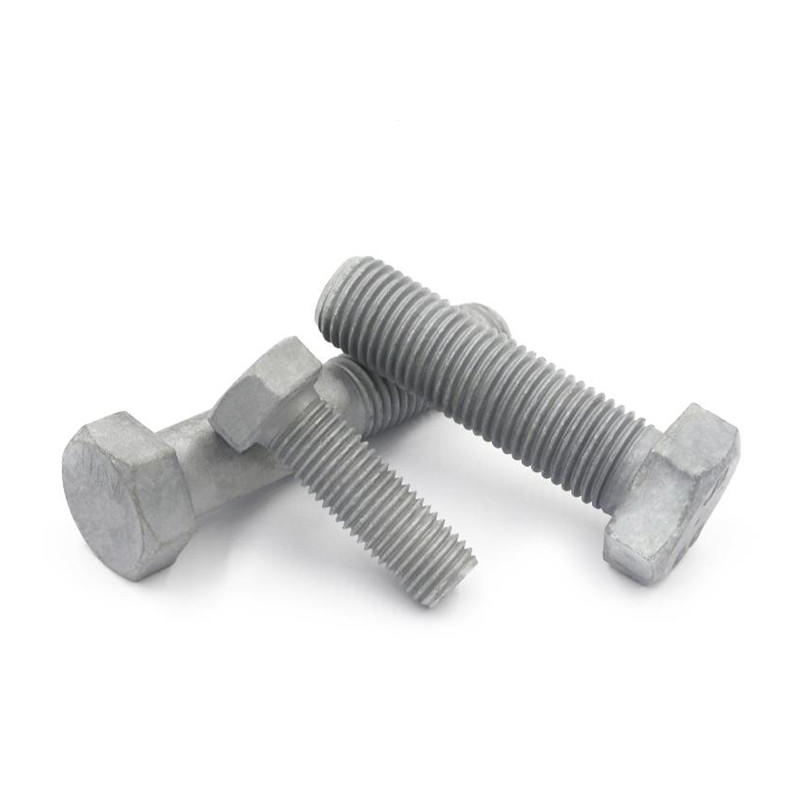
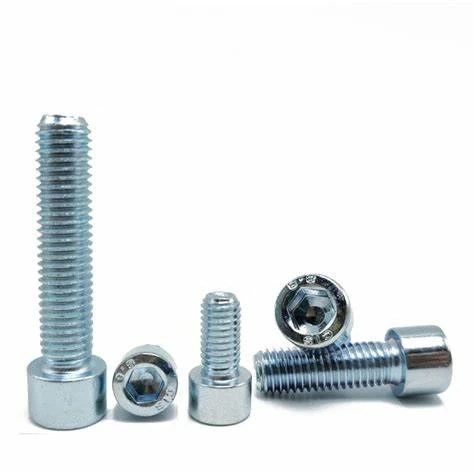
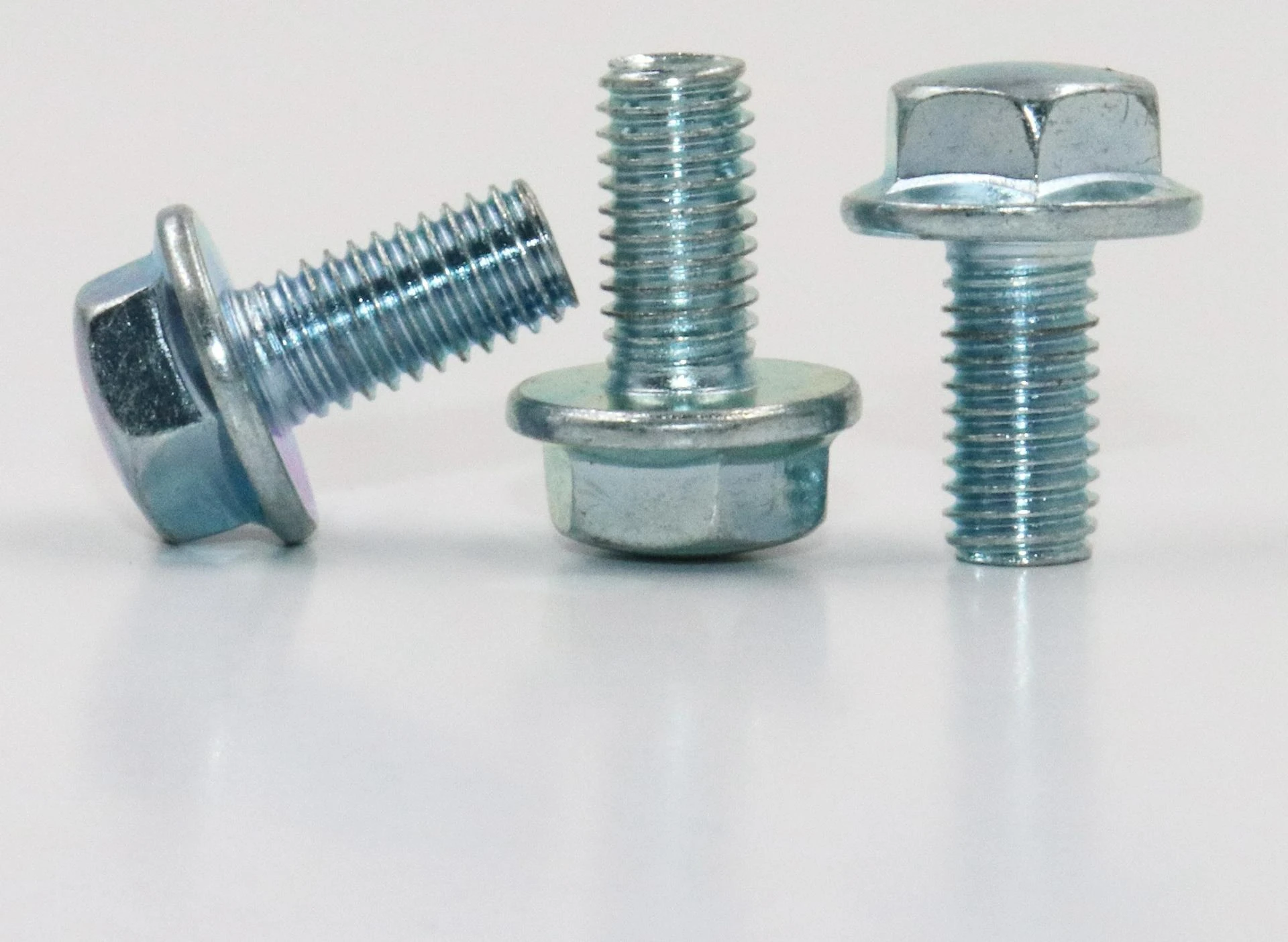
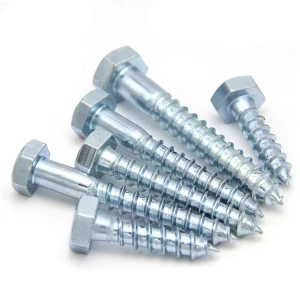
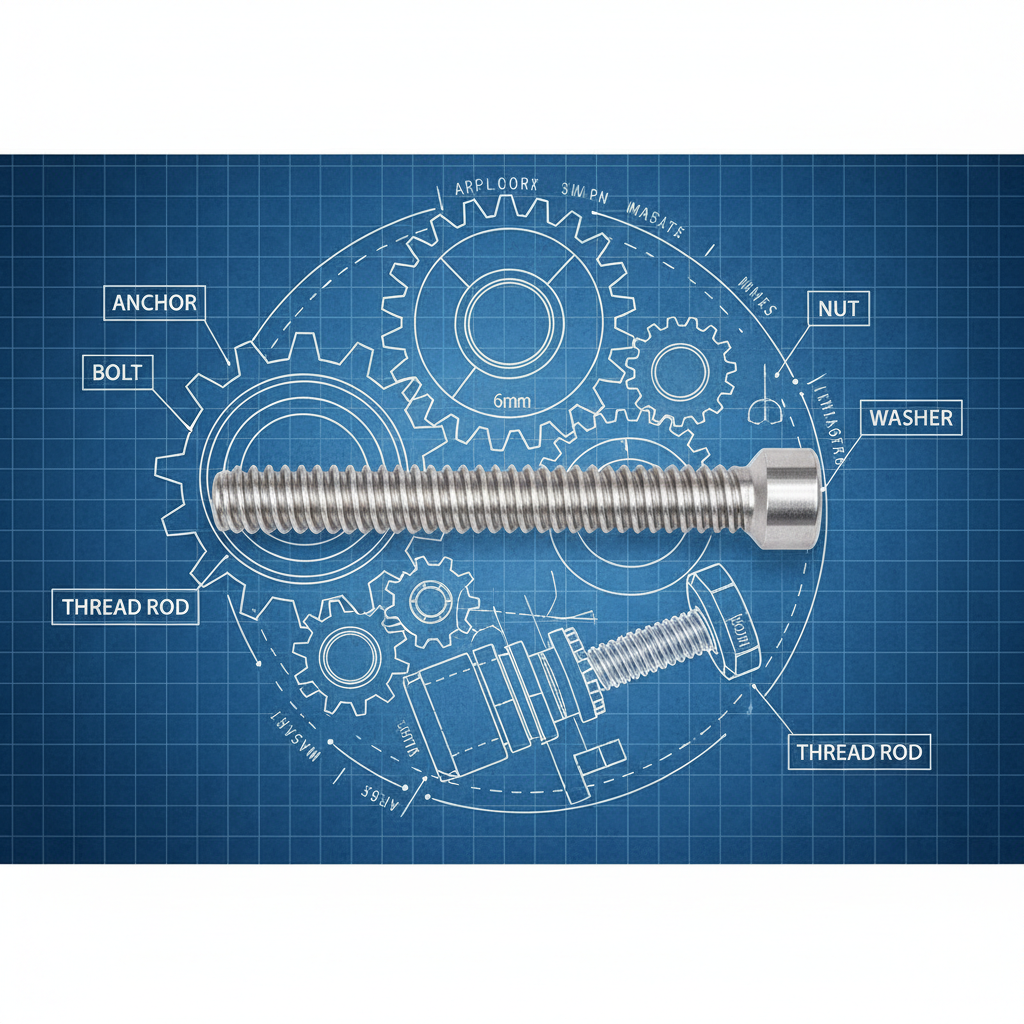
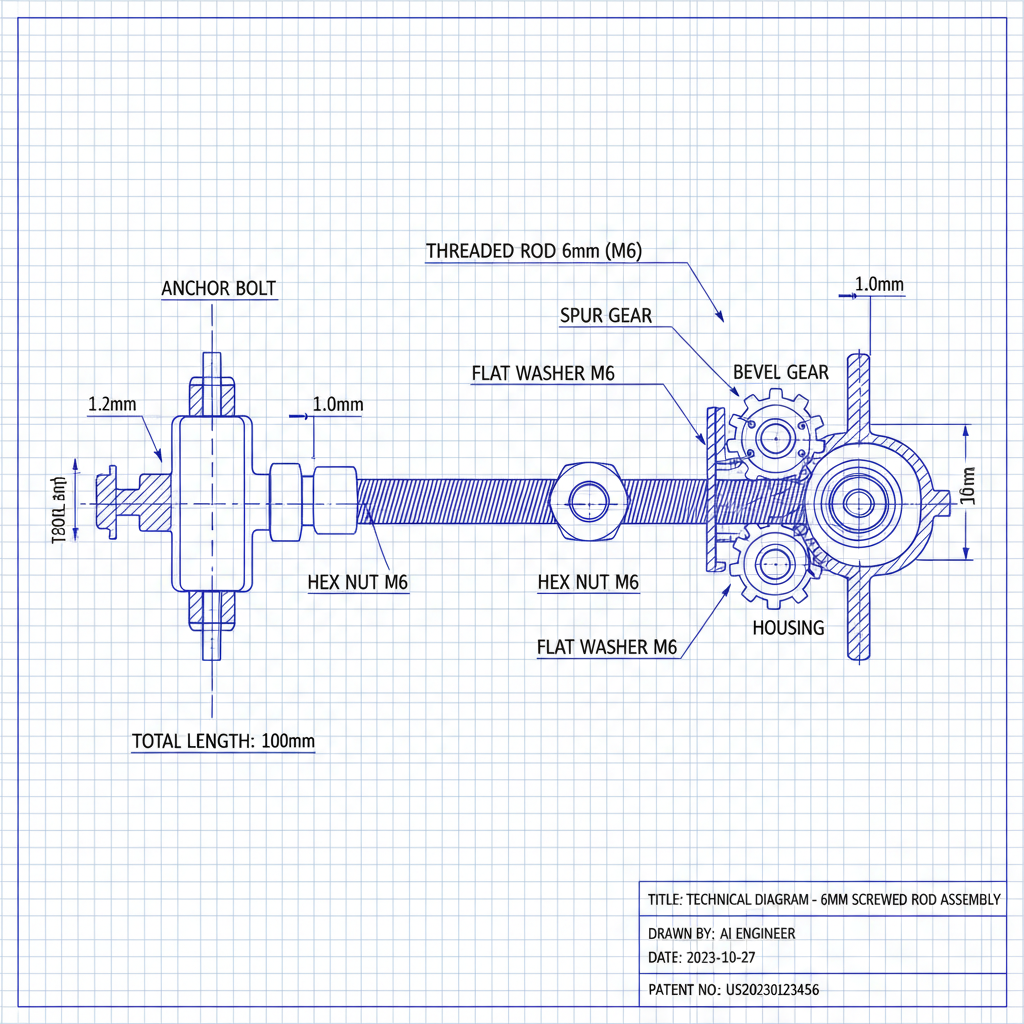
The DIN933 Hex Bolt is the fully threaded, hex-head workhorse, produced in Yongnian—Dongtantou North, Hebei, China, which, to be honest, is practically a synonym for fastener country. Length is measured from the point where the head sits flush with the surface to the very tip of the threads. For completeness: hex, pan, truss, button, socket cap, and round head screws are measured from under the head; flat heads from the top of the head. Simple but often misunderstood.
Why teams pick it
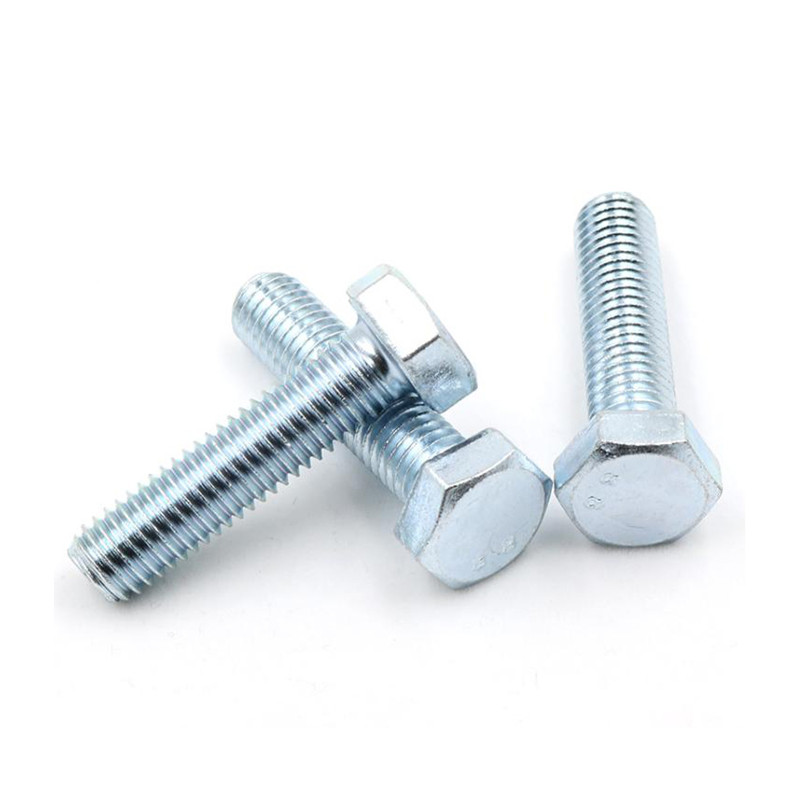
- Consistent fit with ISO 4017 equivalence, easy sourcing globally.
- Strong mechanical performance across 4.8, 8.8, 10.9, 12.9 classes—many customers say 8.8 is the sweet spot for general steelwork.
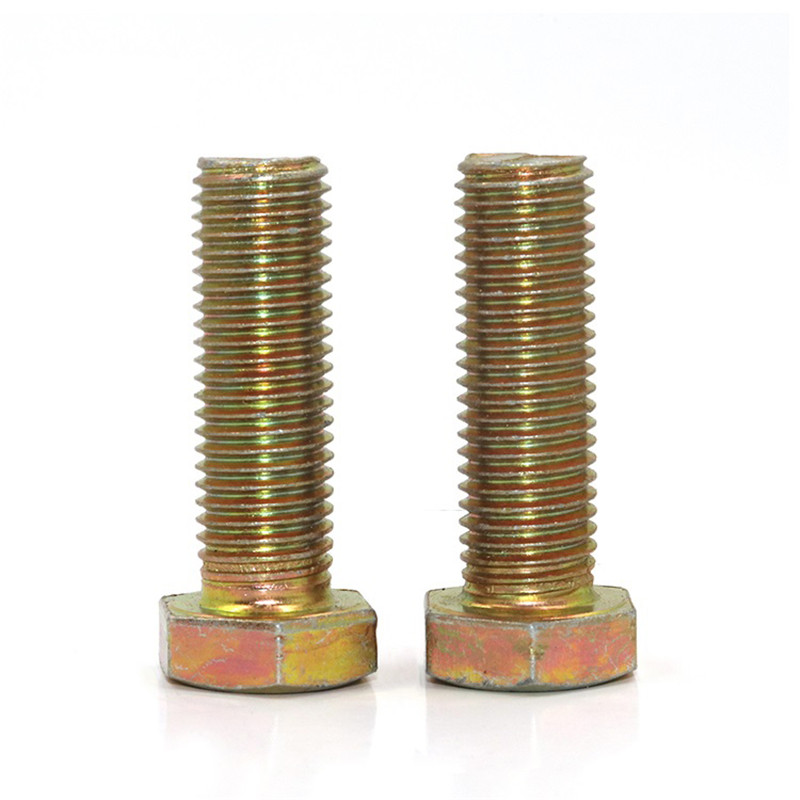
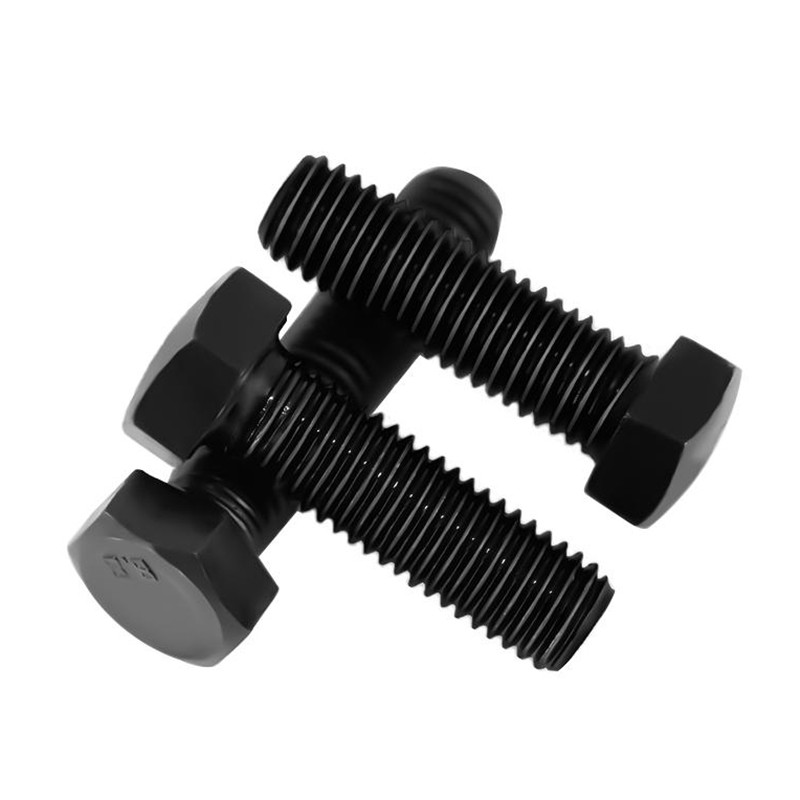
- Flexible finishes: zinc, hot-dip galvanizing, black oxide, or zinc flake for tougher corrosion zones.
Product specs at a glance
| Standard | DIN 933 (≈ ISO 4017) |
| Thread | M4–M24 (UNC/UNF on request) |
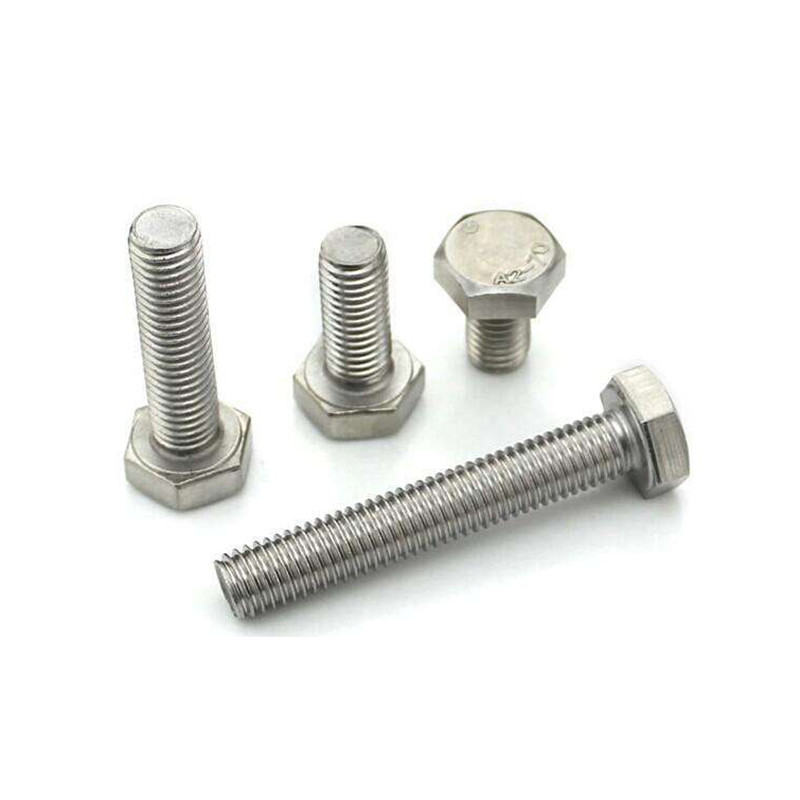
| Materials | Carbon steel (4.8/8.8/10.9/12.9), Stainless A2/A4 |
| Coatings | Electro-zinc, HDG, black oxide, zinc flake (ISO 10683) |
| Tolerance | 6g threads; head per DIN geometry |
| Mechanical test | ISO 898‑1 (carbon steel) / ISO 3506 (stainless) |
| Corrosion test | ASTM B117 salt spray (hours vary by coating) |
Real-world use may vary, but class 8.8 typically delivers ≥800 MPa tensile strength; 10.9 is ≥1040 MPa. I’ve seen zinc-flake coated bolts hold 720–1,000 h neutral spray when the prep is done right.
Process flow (how they’re made right)
Material: Certified wire rod (e.g., 1018/1035/4140; A2/A4 for stainless).
Cold heading: Multi-station forming for head geometry consistency.
Thread rolling: Rolled threads for better fatigue than cut threads.
Heat treatment: Quench & temper for 8.8–12.9; controlled atmospheres reduce decarburization.
Surface treatment: ISO 4042 plating, or HDG for thick zinc; ISO 10683 for zinc flake where hydrogen embrittlement avoidance matters.
Testing: Hardness, wedge tensile, proof load, plating thickness, torque-tension; AQL ≈ 1.0 typical. Service life? Around 10–20 years outdoors with HDG in moderate environments.
Where they’re used
Structural steel (M12–M24), machinery frames, racking systems, telecom towers, wind and solar mounts, agricultural equipment, and, surprisingly, a lot of marine hardware when A4 stainless is chosen. Many buyers like din933 hex bolt for maintenance swaps—tools are everywhere, no fuss.
A quick vendor reality check
| Vendor | MOQ | Lead Time | QC | Certs | Price |
| Hebei Yongnian Manufacturer (origin: Dongtantou North) | ≈ 1–3 tons | 10–20 days | ISO 898‑1, plating per ISO 4042; PPAP on request | ISO 9001; RoHS/REACH | Factory-direct |
| General Importer | Small cartons | Stock or 4–6 weeks | Basic COA | Varies | Mid |
| Local Distributor | Per piece | Same-day | Spot checks | — | High |
Customization and real feedback
Custom threads (UNC/UNF), partial threading, patch pre-applied, and special coatings are common. One racking OEM told me their switch to din933 hex bolt in 10.9 with zinc-flake cut assembly hours 7%—less galling, more consistent torque. Another, a wind farm contractor, uses M16 HDG 8.8 and claims “zero red rust after two winters,” which, fair, is anecdotal but consistent with lab data.
Case micro-studies
Telecom tower: M12 10.9, zinc-flake. Torque-tension scatter reduced ≈12% vs. plain zinc; service team notes cleaner breakaway torque on inspections.
Coastal solar: A2-70 with insulating washers. No red rust at 1,000 h NSS; field checks after 18 months still fine.
If you need drawings, torque charts, or PPAP levels beyond Level 3, ask up front. Saves a week, sometimes two.
Authoritative references
Post time: Oct . 20, 2025 16:35


 English
  Albanian
  Arabic
  Armenian
  Azerbaijani
  Belarusian
  Bosnian
  Bulgarian
  Cebuano
  Corsican
  Czech
Czech  Galician
  Georgian
  Greek
Greek  Hausa
Hausa  Hebrew
  Hungarian
  Igbo
Igbo  Indonesian
  Italian
  Kazakh
  Khmer
Khmer  Korean
  Kurdish
  Kyrgyz
  Lao
Lao  Latin
Latin  Latvian
  Lithuanian
  Malay
Malay  Myanmar
  Nepali
  Polish
  Portuguese
  Russian
  Serbian
  Sesotho
  Shona
Shona  Sindhi
  Spanish
  Tagalog
  Tajik
Tajik  Thai
Thai  Turkish
  Turkmen
  Ukrainian
  Uzbek
Uzbek  Vietnamese
  Yoruba
  Zulu
Zulu