
The Indispensable Role of DIN 127 Washers in Modern Industrial Applications
In the intricate world of industrial fastening, the integrity and reliability of connections are paramount. Among the myriad of fastening components, the din 127 washer stands out as a critical element designed to secure bolted joints against loosening, particularly in dynamic and vibration-prone environments. These split spring lock washers, conforming to rigorous German industrial standards, play an essential role across virtually every major industry, from heavy machinery to delicate electronics.
Current industry trends highlight a growing demand for high-performance fastening solutions that offer enhanced durability, superior corrosion resistance, and consistent preload retention. As industrial equipment becomes more complex and operates under increasingly severe conditions – be it extreme temperatures, aggressive chemical exposure, or intense vibrations – the reliability of components like the din 127 washer becomes even more crucial. The market is seeing a shift towards specialized materials and advanced surface treatments to extend service life and reduce maintenance downtime, reflecting a broader commitment to operational efficiency and safety.
The global industrial fasteners market, valued at approximately USD 90 billion in 2023, is projected to grow at a CAGR of 4.5% over the next five years, driven by infrastructure development, manufacturing expansion, and the burgeoning renewable energy sector. Within this growth, the segment for high-strength and specialized washers like DIN 127 is experiencing particular traction, underscoring their irreplaceable function in ensuring the structural integrity and operational longevity of critical assets.
Technical Specifications and Nomenclature: DIN 127 Explained
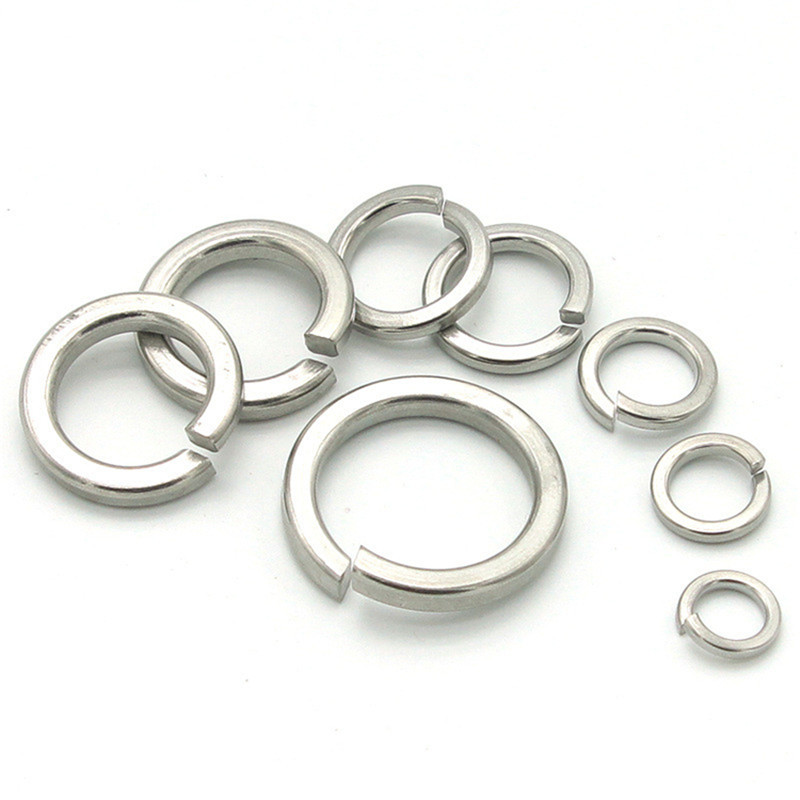
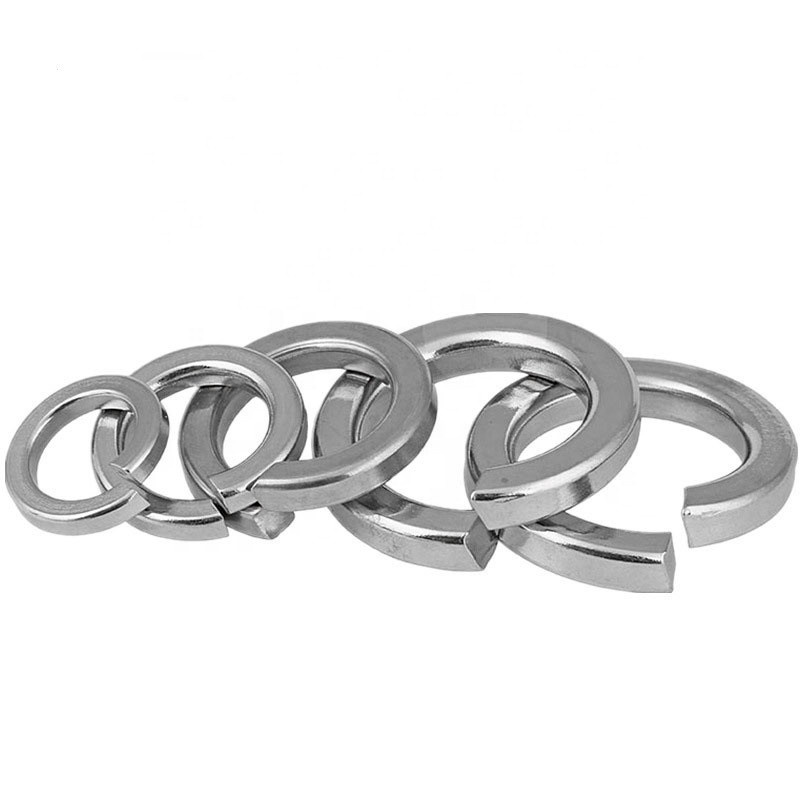
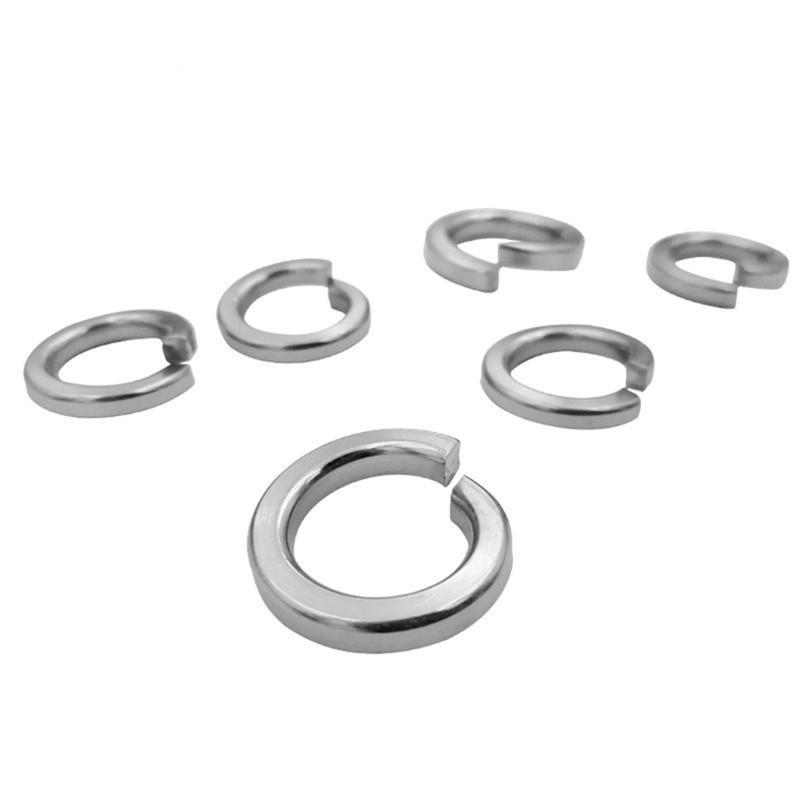
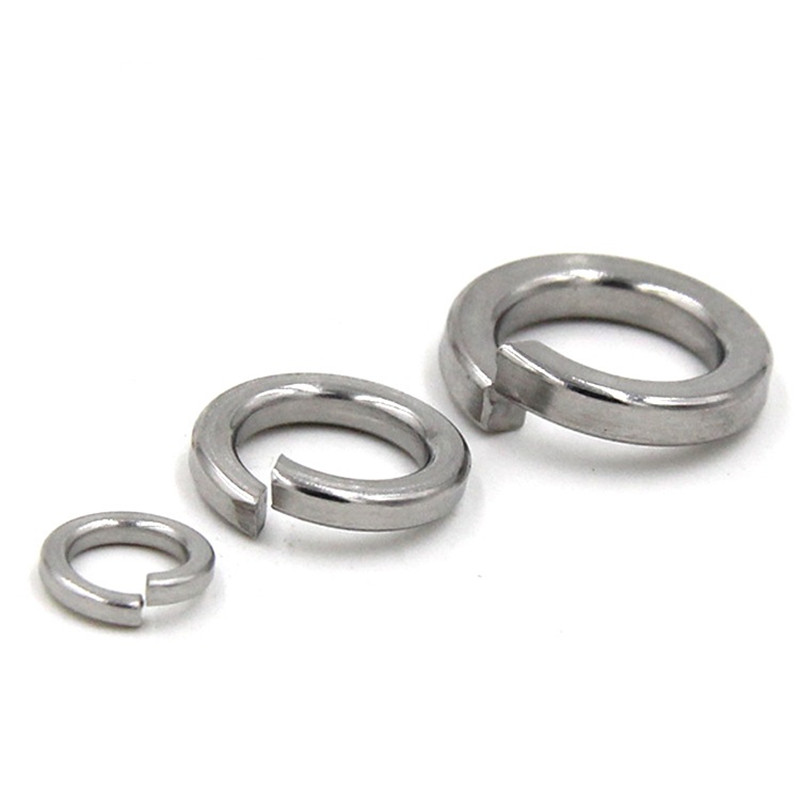
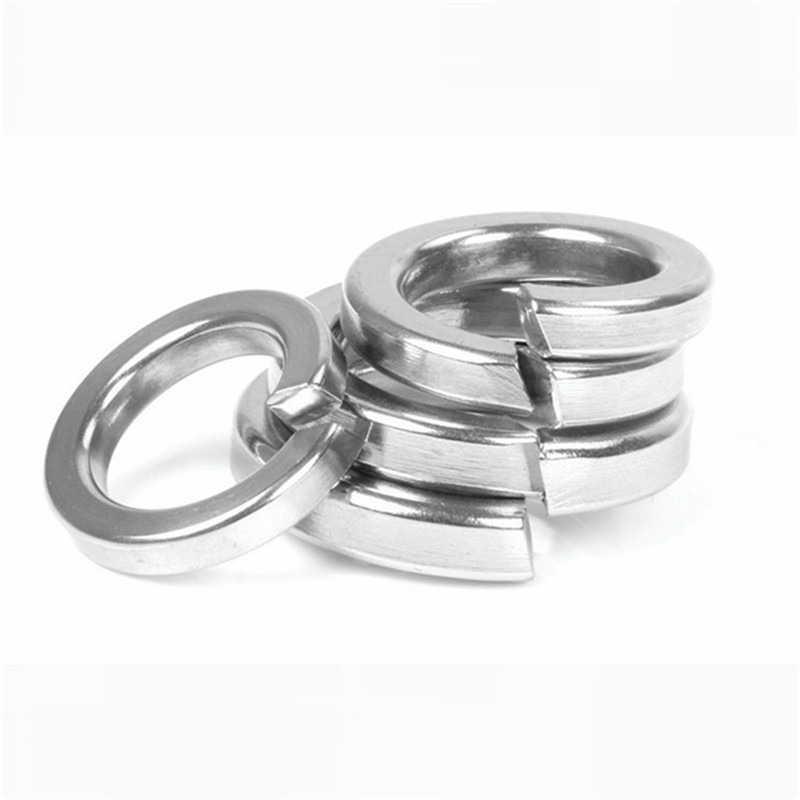
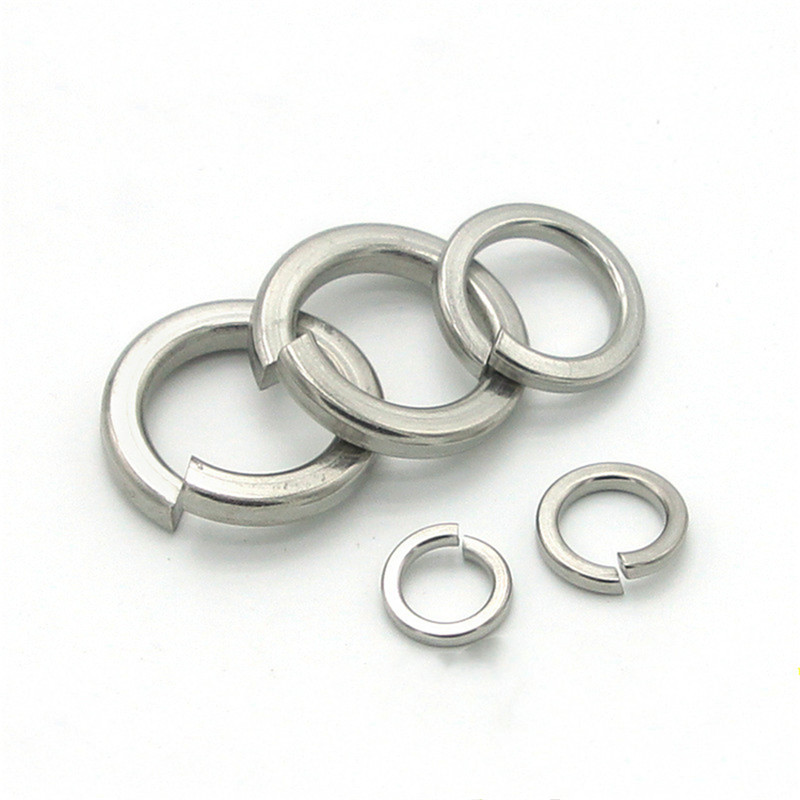
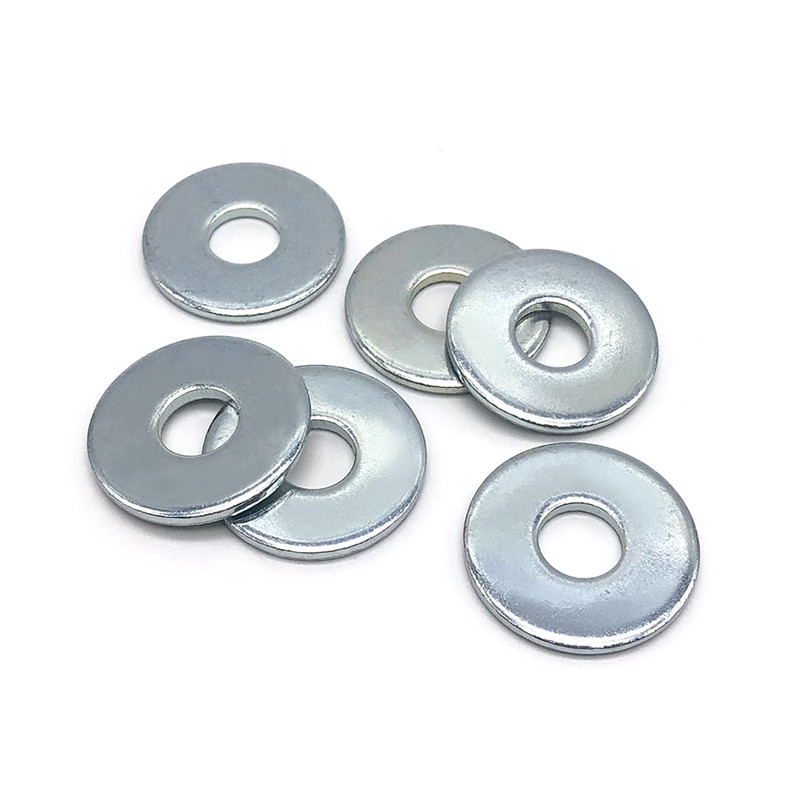
The DIN 127 standard specifies helical spring lock washers, primarily used to prevent self-loosening of bolted joints under vibration or dynamic loads. Its design, characterized by a single coil with an open gap, provides a spring action that maintains a continuous load on the joint, counteracting potential relaxation or vibrational loosening.
Types: DIN 127 A vs. DIN 127 B
- DIN 127 A: Features square ends (blunt cut) at the split, making them suitable for applications where the washer needs to grip into the mating surface slightly to prevent rotation.
- DIN 127 B: Characterized by tapered or bevelled ends at the split, which are less aggressive on mating surfaces and often preferred for softer materials or where surface integrity is critical. This variant is frequently referred to as din 127b.
Materials and Finishes
The material selection for a din127 spring washer is crucial for its performance and longevity. Common materials include:
- Spring Steel (e.g., 60Si2Mn, 55CrSi): Offers excellent elastic properties and high tensile strength, typically with hardness ranging from 44 to 51 HRC.
- Stainless Steel (A2/304, A4/316): Provides superior corrosion resistance, making them ideal for marine, chemical processing, and outdoor applications.
- Special Alloys: For extreme environments, materials like Inconel, Monel, or Hastelloy can be utilized, offering resistance to high temperatures, aggressive chemicals, or specific mechanical stresses.
Finishes enhance durability and protection:
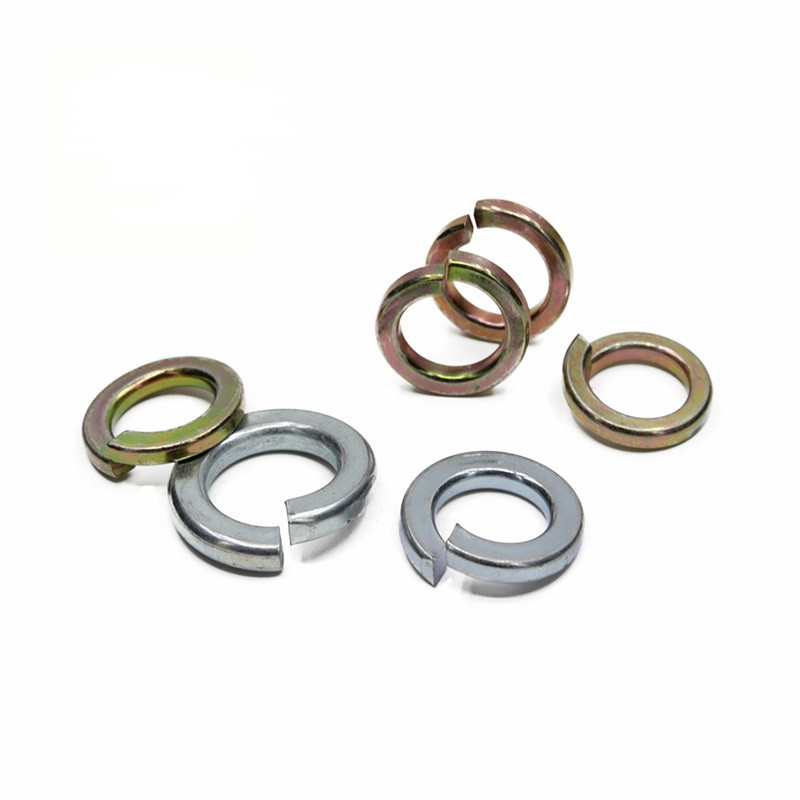
- Zinc Plated: Common for general industrial use, offering basic corrosion protection.
- Hot-Dip Galvanized: Provides a thicker, more robust layer of zinc for enhanced corrosion resistance, suitable for outdoor and harsh environments.
- Phosphate Coated: Offers good corrosion resistance and acts as a lubricant, often used in automotive applications.
- Plain/Self-Color: Uncoated, typically used in non-corrosive environments or where specific coatings are applied after assembly.
Standard Dimensions and Tolerances
Adherence to DIN 127 ensures interchangeability and consistent performance. Below is a representative table of common dimensions for DIN 127 spring washers:
| Nominal Thread Size (d1) | Inner Diameter (d2) | Outer Diameter (d3) | Thickness (s) |
|---|---|---|---|
| M5 | 5.1 | 9.2 | 1.2 |
| M6 | 6.1 | 11.8 | 1.6 |
| M8 | 8.1 | 14.8 | 2.0 |
| M10 | 10.2 | 18.1 | 2.2 |
| M12 | 12.2 | 21.1 | 2.5 |
| M16 | 16.2 | 27.4 | 3.5 |
These specifications are crucial for engineers and procurement specialists to ensure compatibility and performance in their assemblies. For detailed information, referring to the official din 127 b pdf or ISO 10672: Fasteners — Spring washers — General requirements, is recommended.
Precision Manufacturing: The Process Flow of DIN 127 Washers
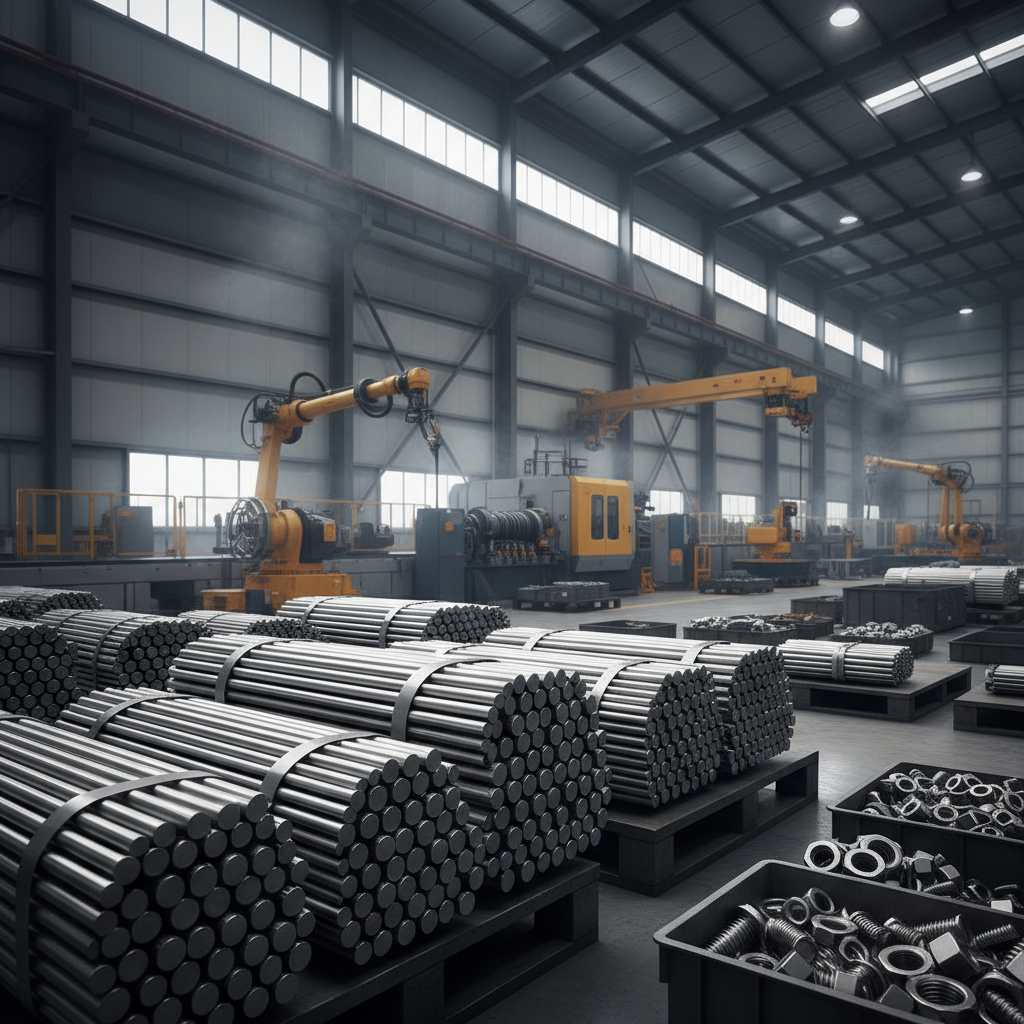
The production of high-quality din 127 washer involves a meticulous process designed to impart the necessary spring characteristics, dimensional accuracy, and surface finish. Our manufacturing facilities adhere strictly to ISO 9001:2015 quality management standards, ensuring every batch meets the most demanding industry specifications.
Manufacturing Process Steps:
1. Material Selection & Preparation
High-grade spring steel wire (e.g., 60Si2Mn, 55CrSi) or stainless steel wire (A2/304, A4/316) is carefully selected based on the required mechanical properties and application environment. Material certifications (e.g., mill test reports) are rigorously checked.
2. Cold Coiling & Forming
The wire is precisely coiled into the helical shape of the washer using advanced CNC coiling machines. This process creates the characteristic split and ensures consistent pitch and diameter. For DIN 127 A, the ends are sheared square; for DIN 127 B, they are further processed to achieve a bevelled finish.
3. Heat Treatment (Hardening & Tempering)
Spring steel washers undergo controlled heat treatment. Hardening involves heating to high temperatures and then quenching to achieve maximum hardness. Tempering follows, reducing brittleness and optimizing the spring properties and ductility, ensuring the washer can flex without fracturing under load.
4. Surface Preparation & Finishing
Washers are deburred to remove sharp edges and cleaned thoroughly. Depending on the application, they then undergo surface treatment such as zinc plating (electrolytic or mechanical), hot-dip galvanizing, phosphating, or passivation for stainless steel, enhancing corrosion resistance and aesthetic appeal.
5. Quality Control & Testing
Each batch undergoes rigorous testing to comply with international standards like ISO and ANSI. This includes dimensional checks, hardness testing (e.g., Rockwell C), load testing (spring rate, compression sets), and salt spray tests for corrosion resistance. Automated optical inspection systems are used for high-volume production.
6. Packaging & Shipment
Finished washers are carefully packaged to prevent damage during transit, often in bulk or specialized packaging for automated assembly lines, ready for global distribution.
This comprehensive process ensures that every din 127 washer delivered meets stringent quality requirements, offering exceptional service life and reliability across target industries such as petrochemical, metallurgy, water supply & drainage, automotive, and heavy engineering. The emphasis on material science and precision engineering contributes directly to advantages such as superior corrosion resistance in harsh environments and enhanced energy efficiency by preventing costly equipment failures.
Key Technical Advantages of DIN 127 Spring Washers
The fundamental purpose of a din 127 washer is to maintain clamping force and prevent loosening in bolted joints. This seemingly simple function yields several critical technical advantages for industrial applications:
- Enhanced Vibration Resistance: The spring action of DIN 127 washers provides a continuous reactive force, effectively counteracting the effects of vibration and dynamic loads that can lead to fastener loosening. This is particularly vital in machinery, transportation, and construction.
- Preload Retention: Over time, bolted joints can experience relaxation due to factors like creep, embedment, or thermal cycling. The spring element of a DIN 127 washer helps to compensate for these minor changes in clamping length, maintaining a more consistent preload over the joint's lifespan.
- Cost-Effectiveness and Ease of Use: Compared to more complex locking mechanisms (e.g., wedge-locking washers, specialized adhesives), DIN 127 washers offer a highly cost-effective and straightforward solution. They are easy to install and remove, reducing assembly time and labor costs.
- Corrosion Resistance Options: With various material and coating options (stainless steel, zinc plating, hot-dip galvanizing), DIN 127 washers can be tailored to provide excellent corrosion resistance, extending the service life of assemblies in harsh or corrosive environments, such as chemical plants or marine settings.
- Versatility: Available in a wide range of sizes and materials, these washers are highly versatile and can be integrated into diverse applications, from light-duty equipment to heavy-duty industrial machinery.
- Reduced Downtime: By preventing unexpected loosening and subsequent equipment failure, DIN 127 washers contribute to increased operational uptime and reduced maintenance frequency, indirectly leading to energy savings by ensuring equipment runs optimally without interruptions caused by loose components.
These advantages underscore why DIN 127 spring washers remain a foundational component in reliable mechanical design, ensuring both safety and long-term performance.
Application Scenarios and Target Industries
The robust design and reliable performance of din 127 washer make them indispensable across a multitude of industries where joint integrity under challenging conditions is non-negotiable. Our products are engineered to excel in critical applications.
Key Industries:
- Petrochemical and Oil & Gas: Used in pipelines, drilling equipment, and refinery machinery where vibration, high pressure, and corrosive chemicals are prevalent. Stainless steel DIN 127 B washers are often specified here for superior corrosion resistance and minimized surface damage.
- Heavy Machinery & Construction: Securing bolts in excavators, cranes, road paving equipment, and structural steel assemblies. The constant shock and vibration in these environments necessitate reliable locking mechanisms.
- Automotive & Transportation: Fastening engine components, chassis parts, and railway track components, where constant vibration and dynamic loads are inherent. OEM feedback highlights consistent performance of our DIN 127 washers in reducing warranty claims related to loose fasteners.
- Power Generation (Conventional & Renewable): From securing turbines and generators in thermal power plants to anchoring wind turbine components and solar panel structures, DIN 127 washers provide critical stability.
- Metallurgy & Mining: Equipment operating in abrasive and high-impact environments, such as crushers, conveyors, and smelters, benefits from the vibration-dampening capabilities of these washers.
- Water Supply & Drainage: Used in pumps, valves, and piping systems, particularly with hot-dip galvanized finishes for prolonged service life in moisture-rich and sometimes corrosive conditions.
Customer Feedback Spotlight: A major player in the mining sector recently reported a 25% decrease in equipment re-tightening cycles after implementing our high-tensile din 127 spring washer across their fleet of heavy-duty conveyors. This directly translated to significant savings in labor costs and improved operational uptime.
The versatility and dependable performance under stress make the DIN 127 washer a cornerstone of mechanical engineering integrity across the industrial landscape.
Product Comparison: DIN 127 vs. Other Locking Washers
While the din 127 washer is a highly effective and widely used locking solution, it's important to understand its position relative to other types of locking washers. The choice of locking washer depends heavily on the specific application requirements, environmental conditions, and budget constraints.
| Washer Type | Locking Mechanism | Key Advantages | Typical Applications | Considerations |
|---|---|---|---|---|
| DIN 127 Washer | Spring action maintains preload, slight biting action (Type A) | Cost-effective, versatile, good for minor vibration | General industrial, machinery, automotive | Less effective in extreme, continuous vibration than wedge-locking |
| Tooth Lock Washer (Internal/External) | Teeth bite into mating surfaces, creating high friction | Excellent rotational resistance, good electrical contact | Electrical connections, sheet metal, softer materials | Can damage soft surfaces, less effective with larger bolts |
| Wedge-Locking Washers (e.g., Nord-Lock) | Pair of washers with cams that create tension when loosened | Superior vibration resistance, highly reliable in critical applications | Heavy vibration, critical machinery, wind energy | Higher cost, specific installation requirements, not reusable |
| Disc Springs (Belleville Washers) | Conical shape provides high spring force in a small space | High spring constant, large deflection, precise load control | Heavy-duty applications, high thermal expansion, load cycling | More expensive, design complexity for stacking |
While more advanced locking solutions exist for extreme scenarios, the DIN 127 washer offers an optimal balance of performance, cost, and ease of use for the vast majority of industrial fastening applications. Its established standard (din 127 pdf) ensures consistency and widespread compatibility, making it a reliable default choice for engineers worldwide.
Customized Solutions for Unique Requirements
Understanding that standard solutions may not always meet the precise demands of highly specialized industrial applications, we offer comprehensive customized manufacturing services for the din 127 washer. Our engineering team collaborates closely with clients to develop bespoke fastening solutions that address specific operational challenges.
Our Customization Capabilities Include:
- Non-Standard Dimensions: Production of washers with unique inner diameters, outer diameters, or thicknesses to fit specific bolt or assembly configurations.
- Specialized Materials: Sourcing and manufacturing with exotic alloys such as Inconel, Monel, Hastelloy, or high-performance plastics for extreme temperature, highly corrosive, or non-magnetic environments.
- Tailored Surface Treatments: Application of advanced coatings like Xylan, PTFE, or specialized anti-friction finishes for specific chemical resistance, lubrication, or reduced galling requirements.
- Specific Spring Rates: Adjusting material thickness, coil geometry, and heat treatment parameters to achieve a precise spring constant or deflection characteristic for critical load-bearing applications.
- Prototyping and Design Support: Our team provides CAD modeling, FEA (Finite Element Analysis) for performance prediction, and rapid prototyping services to validate designs before full-scale production.
This flexibility ensures that clients in niche markets or those developing innovative technologies can access fastening components perfectly matched to their exacting demands, without compromise on quality or performance.
Real-World Application Case Studies
Case Study 1: Petrochemical Plant Expansion Project
Challenge: A large-scale petrochemical facility was expanding its cracking unit, requiring thousands of bolted flange connections on piping and vessels that would be subjected to high temperatures, constant vibration from pumps, and exposure to aggressive chemicals. The client had experienced issues with standard washers failing prematurely due to corrosion and loss of preload, leading to costly leaks and downtime.
Solution: We supplied custom-manufactured DIN 127 B washers made from A4 (316) stainless steel, known for its superior corrosion resistance in chloride environments. These washers were further passivated to enhance their surface properties and maintain inertness. Our engineering team provided detailed load vs. deflection curves to ensure optimal preload for each flange size.
Results: Over a two-year operational period following the expansion, the plant reported a 98% reduction in fastener-related leakage incidents compared to previous projects. The enhanced corrosion resistance and consistent preload retention of our din 127 washer significantly improved safety, reduced maintenance costs, and increased the overall reliability of the unit, demonstrating an impressive ROI for the client.
Case Study 2: Offshore Wind Turbine Platform Assembly
Challenge: The assembly of an offshore wind turbine platform involved securing numerous structural components that would endure extreme environmental conditions, including constant high-frequency vibrations from the turbine operation, severe oceanic winds, and saltwater exposure. The client needed a robust, long-lasting locking solution that could maintain joint integrity for decades without significant maintenance.
Solution: We provided hot-dip galvanized high-tensile spring steel din 127 washer for all critical structural bolts. The hot-dip galvanization offered a thick, durable zinc coating for superior cathodic protection against marine corrosion, while the high-tensile spring steel ensured the necessary elastic properties to counteract vibrational loosening and maintain clamping force over time.
Results: After five years of operation, inspections confirmed that all bolted joints utilizing our DIN 127 washers remained securely fastened, exhibiting no signs of loosening or significant corrosion. This longevity contributed to reduced inspection intervals and extended service life for the platform, validating the choice of robust fastening solutions in demanding renewable energy applications.
Ensuring Quality, Authoritativeness, and Trust
Our commitment to delivering excellence in every din 127 washer we produce is underpinned by a rigorous quality assurance framework, adherence to international standards, and a history of trusted partnerships.
Certifications and Compliance:
- ISO 9001:2015 Certified: Our manufacturing processes and quality management systems are certified to ISO 9001:2015, ensuring consistent quality and continuous improvement.
- REACH & RoHS Compliance: All products are manufactured in compliance with the Restriction of Hazardous Substances (RoHS) Directive and the Registration, Evaluation, Authorisation and Restriction of Chemicals (REACH) regulation, reflecting our commitment to environmental responsibility and safety.
- Adherence to International Standards: Our washers strictly conform to DIN 127, and where applicable, cross-reference ISO 10672, ANSI, and ASTM standards for dimensions, materials, and mechanical properties.
Experience and Partnerships:
With over two decades of specialized experience in fastening solutions, we have built enduring partnerships with leading OEMs, engineering firms, and industrial distributors globally. Our longevity in the market is a testament to the consistent quality and reliability of our products and services.
Rigorous Testing and Analysis:
Beyond standard dimensional and hardness checks, our in-house laboratories perform advanced tests including:
- Axial Load Tests: To verify spring rate and elastic recovery under specified loads, critical for preload retention.
- Salt Spray Tests (ASTM B117): For accelerated corrosion resistance assessment of coated washers.
- Spectroscopic Material Analysis: To confirm exact material composition and trace elements, ensuring compliance with specifications.
This comprehensive approach to quality ensures that every product leaving our facility is engineered for superior performance and reliability in the field.
Frequently Asked Questions (FAQ)
Q: What is the primary function of a DIN 127 washer?
A: The primary function is to provide a spring action that maintains tension in a bolted joint, preventing self-loosening due to vibration, thermal expansion/contraction, or minor settlement, and thereby retaining preload.
Q: What is the difference between DIN 127 A and DIN 127 B?
A: DIN 127 A features square (blunt) ends at the split, designed to slightly bite into mating surfaces for better anti-rotation. DIN 127 B (also known as din 127b) has tapered or bevelled ends, which are less aggressive on surfaces and often preferred for softer materials or painted surfaces where surface damage needs to be minimized.
Q: Can DIN 127 washers be reused?
A: While mechanically possible, it is generally not recommended to reuse din 127 spring washer. During initial tightening, the washer may flatten slightly and lose some of its spring properties (elasticity). Reusing them could compromise their effectiveness in maintaining preload and preventing loosening, especially in critical applications.
Q: What materials are available for your DIN 127 washers?
A: We offer DIN 127 washers in various materials, including high-carbon spring steel (plain, zinc plated, hot-dip galvanized, phosphated), stainless steel (A2/304, A4/316), and specialized alloys upon request for specific application requirements.
Logistics, Warranty, and After-Sales Support
We understand that timely delivery, robust warranty, and responsive support are crucial for our B2B partners. Our operational framework is designed to provide seamless service from order to long-term usage.
Lead Time and Fulfillment:
- Standard Products: For in-stock DIN 127 washers, typical lead times range from 3 to 5 business days for dispatch.
- Customized Orders: Depending on complexity, material sourcing, and production volume, custom orders usually have a lead time of 2 to 4 weeks. We provide transparent timelines and regular updates throughout the production cycle.
- Global Logistics: We leverage a robust network of logistics partners to ensure efficient and reliable delivery worldwide, offering various shipping options to meet urgent demands or cost-effective bulk shipments.
Warranty and Quality Assurance:
All our DIN 127 spring washers come with a 1-year limited warranty against manufacturing defects. This commitment reflects our confidence in the quality and durability of our products, manufactured under stringent ISO 9001:2015 certified processes. Detailed material and test certificates are provided with every order to ensure full traceability and compliance.
Customer Support:
Our dedicated customer support team and technical specialists are available to assist with product selection, application guidance, and any post-purchase inquiries. We offer:
- Technical Consultations: Expert advice on material compatibility, surface treatments, and installation best practices.
- Responsive Service: Prompt handling of inquiries, ensuring that your operational needs are met efficiently.
- Dedicated Account Management: For long-term partners, a dedicated account manager provides personalized support and ensures continuity.
Conclusion
The din 127 washer remains a cornerstone of reliable fastening in industrial applications worldwide. Its proven ability to resist loosening under vibration and maintain preload in dynamic conditions makes it an indispensable component for ensuring the safety, efficiency, and longevity of critical infrastructure and machinery. By adhering to rigorous manufacturing standards, offering diverse material and customization options, and backing our products with comprehensive support, we ensure that our DIN 127 washers consistently meet and exceed the high expectations of B2B decision-makers and engineers across the globe.
References:
- International Organization for Standardization. (2018). ISO 10672: Fasteners — Spring washers — General requirements. Geneva: ISO.
- Deutsches Institut für Normung. (1987). DIN 127: Spring Washers. Berlin: DIN.
- European Industrial Fasteners Institute. (2023). European Fastener Manufacturers Report. Brussels: EIFI.
- Kulak, G.L., Fisher, J.W., & Struik, J.H.A. (2001). Guide to Design Criteria for Bolted and Riveted Joints. 2nd Edition. John Wiley & Sons.
- Junker, G.H. (1969). New Criteria for Self-Loosening of Fasteners Under Vibration. VDI-Berichte, No. 129.
Post time: Sep . 10, 2025 12:20


 English
  Albanian
  Arabic
  Armenian
  Azerbaijani
  Belarusian
  Bosnian
  Bulgarian
  Cebuano
  Corsican
  Czech
Czech  Galician
  Georgian
  Greek
Greek  Hausa
Hausa  Hebrew
  Hungarian
  Igbo
Igbo  Indonesian
  Italian
  Kazakh
  Khmer
Khmer  Korean
  Kurdish
  Kyrgyz
  Lao
Lao  Latin
Latin  Latvian
  Lithuanian
  Malay
Malay  Myanmar
  Nepali
  Polish
  Portuguese
  Russian
  Serbian
  Sesotho
  Shona
Shona  Sindhi
  Spanish
  Tagalog
  Tajik
Tajik  Thai
Thai  Turkish
  Turkmen
  Ukrainian
  Uzbek
Uzbek  Vietnamese
  Yoruba
  Zulu
Zulu