
DIN127 Spring Washer: shop-floor realities, specs, and what actually matters
If you’ve ever chased a stubborn bolt that loves to back out, you already know why a [Din 127 Washer] still earns a spot in toolkits worldwide. It’s simple, cheap, and—when paired correctly—surprisingly reliable. Origin story? This model comes out of Dongtantou North, Yongnian, Hebei, China, a town that, to be honest, lives and breathes fasteners.
What it is and why people still buy it
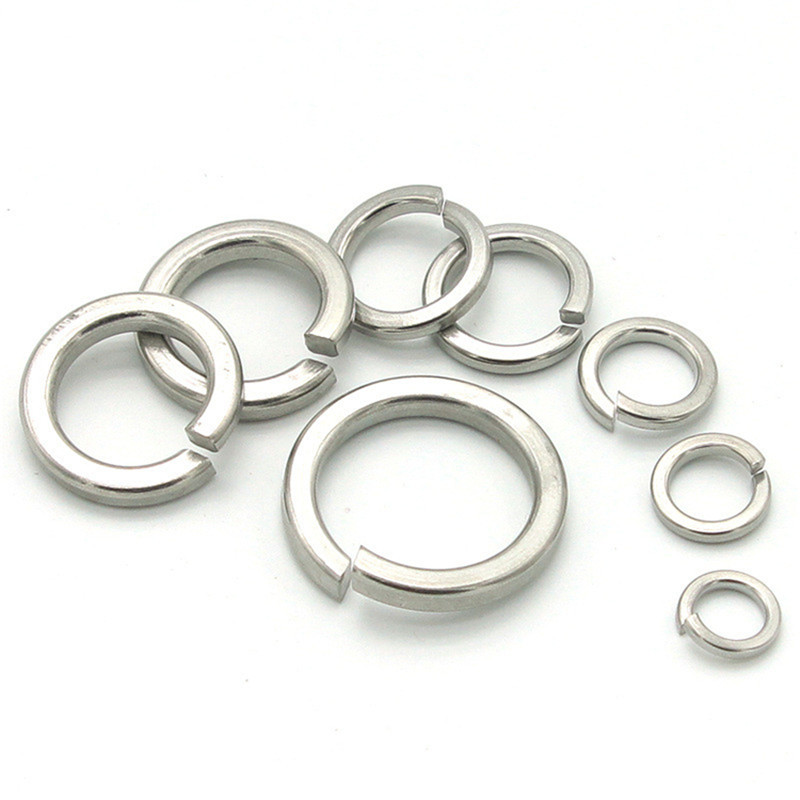
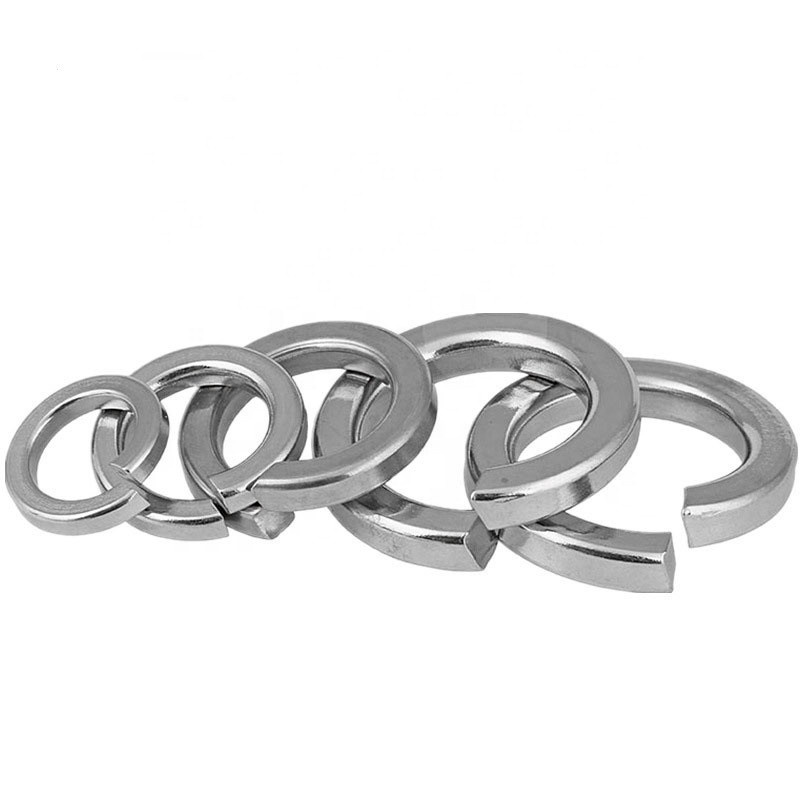
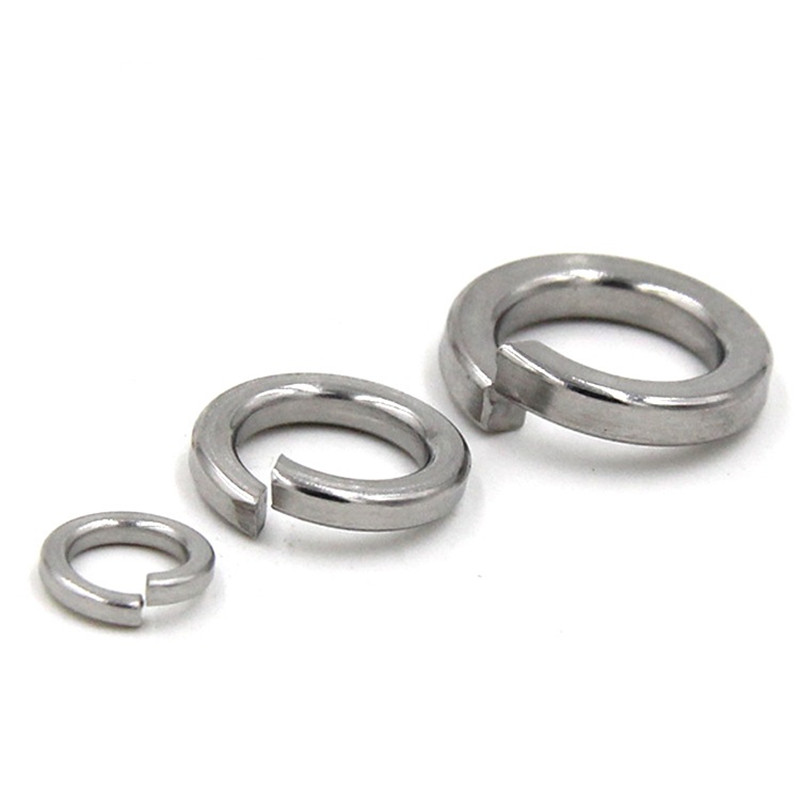
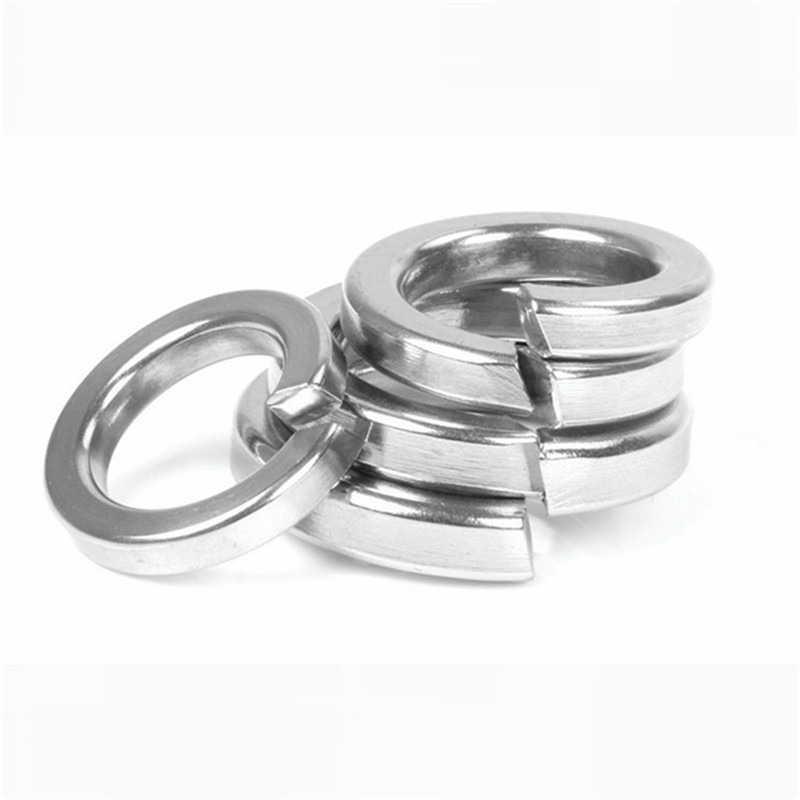
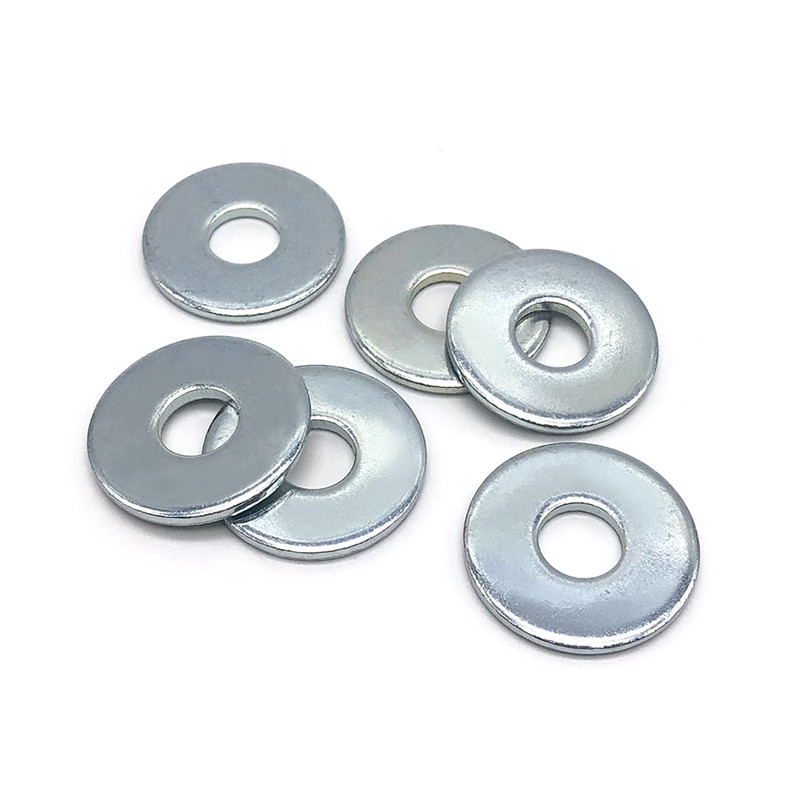
Short version: spring washers are punched from steel strip, then heat-treated to keep “springiness.” After tightening, the split ring exerts a compressive force and bites lightly into contact faces, offering a basic locking effect. Many customers say a single nut + flat washer + Din 127 Washer gives them enough insurance for non-critical assemblies. Double-nut locking can work too, but it’s bulky and slower on the line.
Industry trend check
- Moving toward traceable, coated, and RoHS/REACH-compliant finishes.
- Hybrid stacks: flat washer + Din 127 Washer under controlled torque, especially in machinery and AG equipment.
- In critical joints (offshore, vibration-heavy), some engineers switch to wedge-lock systems; but for cost-sensitive builds, DIN127 remains a staple.
Product specification snapshot
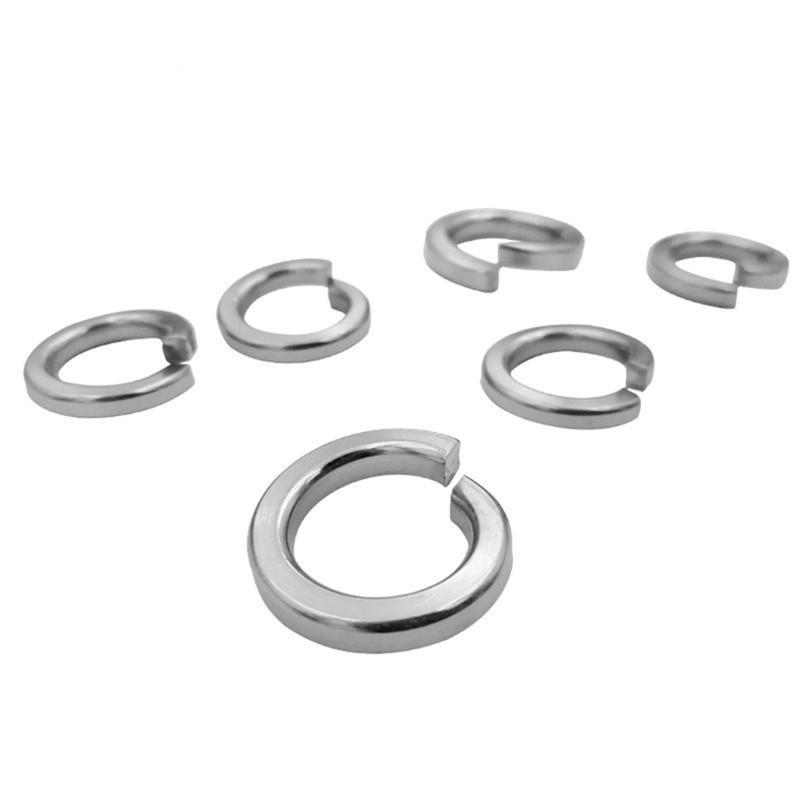
| Standard | DIN 127 (Type A/B), ref. DIN 127-1 |
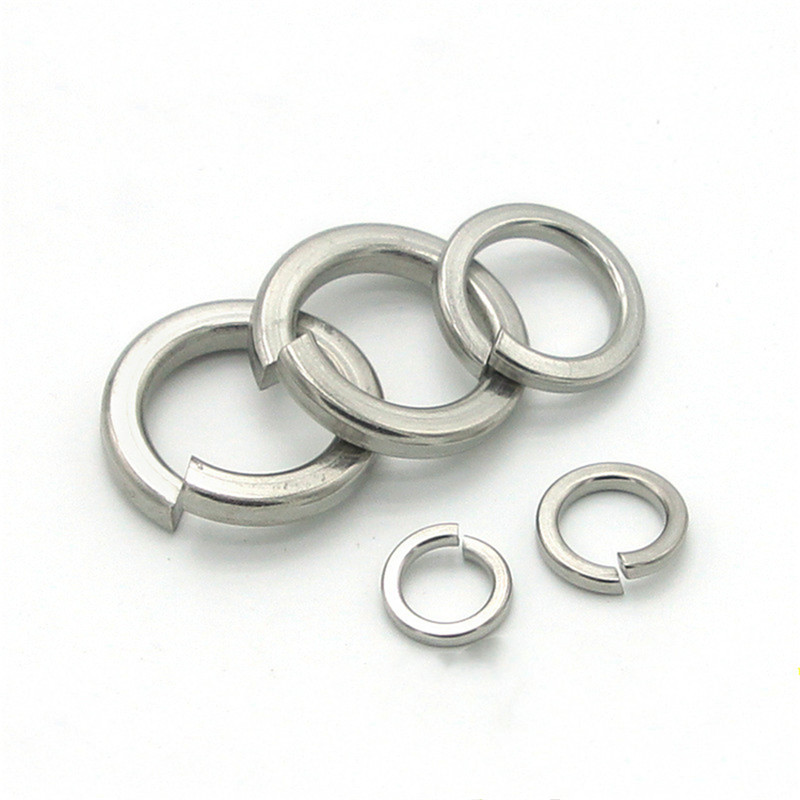
| Sizes | M3–M48 (other diameters on request) |
| Materials | Spring steel (C67/C75), carbon steel, stainless A2/A4 |
| Hardness (typ.) | ≈ 430–530 HV after heat treatment (real-world use may vary) |
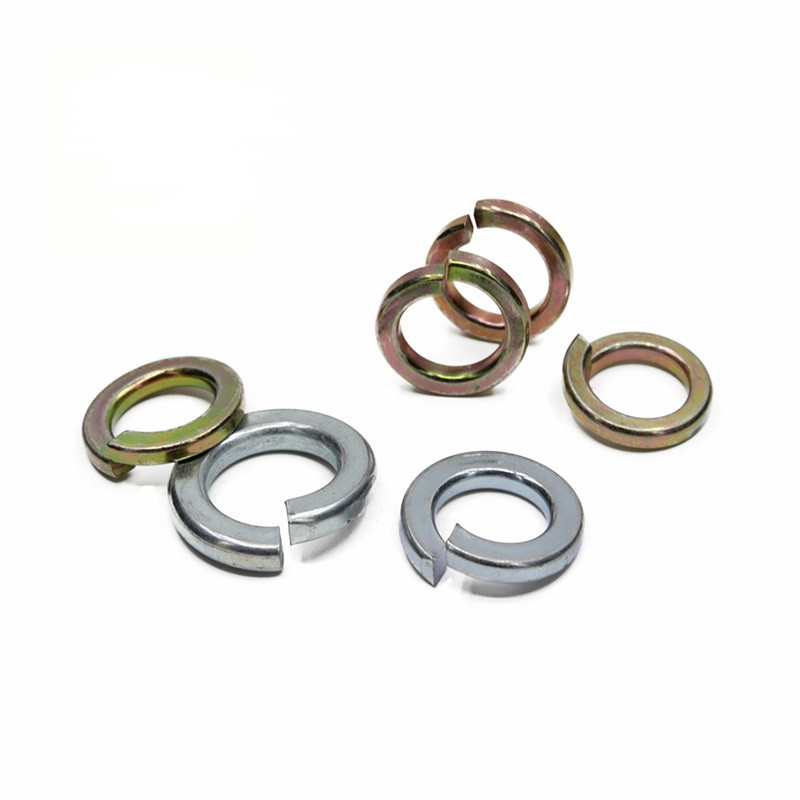
| Finishes | Black oxide, zinc (Cr3+), hot-dip galvanizing, phosphating per EN ISO 4042 |
| Compliance | RoHS, REACH; mechanical per ISO 898 (where applicable) |
How it’s made (and tested)
Process flow: coil stock → stamping/splitting → deburring → heat treatment (quench + temper) → surface finishing → 100% visual → sampling per AQL.
Test methods: hardness per ISO 6507; coating per EN ISO 4042; salt spray (e.g., ISO 9227 NSS 72–240 h depending on finish); torque/tension checks with calibrated bolting benches; dimensional per DIN 127-1 gauges. Typical service life? In mild environments with zinc plating, many users report 5–10 years; stainless extends that, but vibration profile and torque practice dominate outcomes.
Applications and advantages
- General machinery, conveyors, pumps, light automotive brackets, electrical panels.
- Advantages: low cost, easy retrofit, works with standard nuts/bolts, adds bite under vibration.
- Pair it with a flat washer to protect softer mating surfaces and spread load—old-school but effective.
Vendor comparison (quick take)
| Vendor | Origin | MOQ | Lead Time | Finishes | Certs |
|---|---|---|---|---|---|
| Hebei Yongnian Maker (this product) | Dongtantou North, Hebei, CN | ≈ 10k pcs | 10–20 days | Black, Zn, HDG, Phosphate | ISO 9001, RoHS, REACH |
| EU Distributor A | EU | Box-level | Stock/fast | Zn, ZnNi | ISO 9001 |
| APAC Factory B | SEA | ≈ 50k pcs | 25–30 days | Black, Zn | ISO 9001/14001 |
Data above is indicative; verify against current quotes and drawings.
Customization and case notes
Customization: non-standard wire thickness, oversized OD for soft substrates, bespoke coatings (Zn-Ni, dacromet), kitting with bolts/nuts, laser-marked bags for traceability, PPAP on request.
Case study—ag equipment: a harvester OEM had bracket loosening after 200 hours. Switching to flat + Din 127 Washer with verified torque increased interval to 600 hours. Salt-spray on Zn Cr3+ finish hit 120 h (ISO 9227) in lab checks—nothing exotic, but enough for inland farms.
What buyers say
“It’s not glamorous, but consistent. We just need repeatable hardness and plating.” Another buyer told me, “Surprisingly, countersunk heads plus DIN127 under a flat washer worked fine after milder torque—we were over-tightening before.” I guess the moral is: validate torque, then pick the stack.
Citations
- DIN 127-1: Spring lock washers—Requirements and dimensions.
- EN ISO 4042: Fasteners—Electroplated coatings.
- ISO 9227: Corrosion tests in artificial atmospheres—Salt spray tests.
- ISO 898-1: Mechanical properties of fasteners—Bolts, screws and studs.
Post time: Oct . 27, 2025 17:25


 English
  Albanian
  Arabic
  Armenian
  Azerbaijani
  Belarusian
  Bosnian
  Bulgarian
  Cebuano
  Corsican
  Czech
Czech  Galician
  Georgian
  Greek
Greek  Hausa
Hausa  Hebrew
  Hungarian
  Igbo
Igbo  Indonesian
  Italian
  Kazakh
  Khmer
Khmer  Korean
  Kurdish
  Kyrgyz
  Lao
Lao  Latin
Latin  Latvian
  Lithuanian
  Malay
Malay  Myanmar
  Nepali
  Polish
  Portuguese
  Russian
  Serbian
  Sesotho
  Shona
Shona  Sindhi
  Spanish
  Tagalog
  Tajik
Tajik  Thai
Thai  Turkish
  Turkmen
  Ukrainian
  Uzbek
Uzbek  Vietnamese
  Yoruba
  Zulu
Zulu