
Understanding the m24 Rod: A Backbone of Modern Construction and Industry
When you hear “m24 rod,” it might sound technical or specialized — and frankly, it is — but it plays a surprisingly pivotal role across a broad spectrum of industries worldwide. Whether in heavy construction, infrastructure projects, or even humanitarian emergency setups, the m24 rod stands as a testament to strength, reliability, and precision.
Why should this matter globally? Because the quality and specifications of these rods can affect everything from the longevity of skyscrapers to the safety of bridges and disaster-relief shelters. Understanding the m24 rod means appreciating a small but crucial building block that supports both everyday structures and extraordinary projects.
Global Context: Why the m24 Rod Matters in Industry and Infrastructure
Across the globe, urbanization is accelerating — the United Nations predicts that by 2050 nearly 68% of the world population will live in cities. This massive urban sprawl demands resilient infrastructure built from components like the m24 rod. According to ISO standards on construction materials, rods with a diameter of 24 millimeters are often specified for their balance of strength and versatility. Still, with climates changing and natural disasters becoming more frequent, engineers face tough challenges ensuring these rods foster structures that don’t just stand but last and perform safely under stress.
Oddly enough, while steel rods are a familiar sight to most, the detailed standards and certifications required often go overlooked—this is why an in-depth understanding of the m24 rod is essential for professionals and enthusiasts alike.
What Is an m24 Rod?
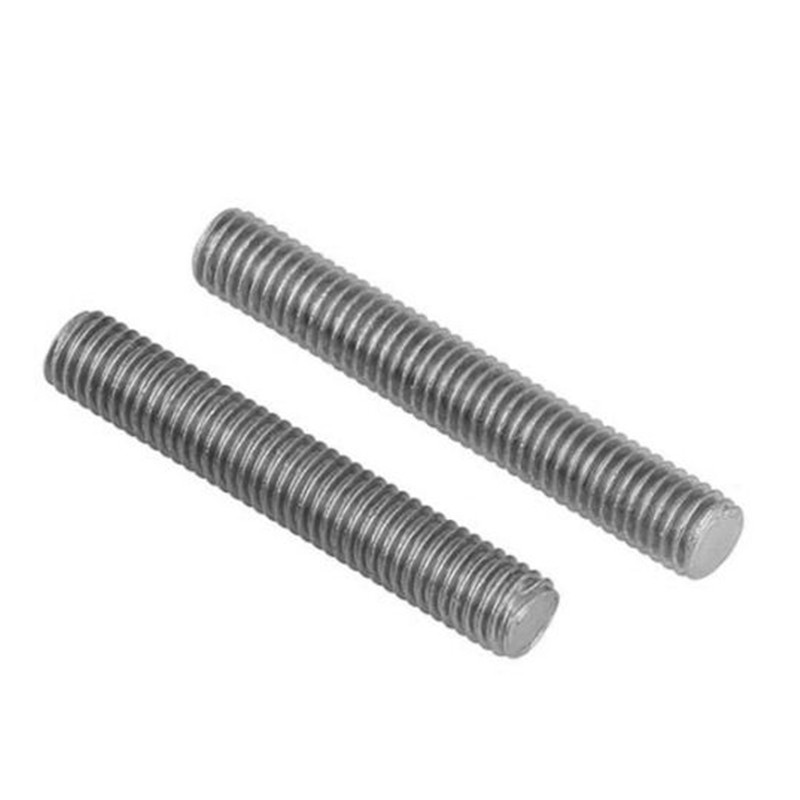
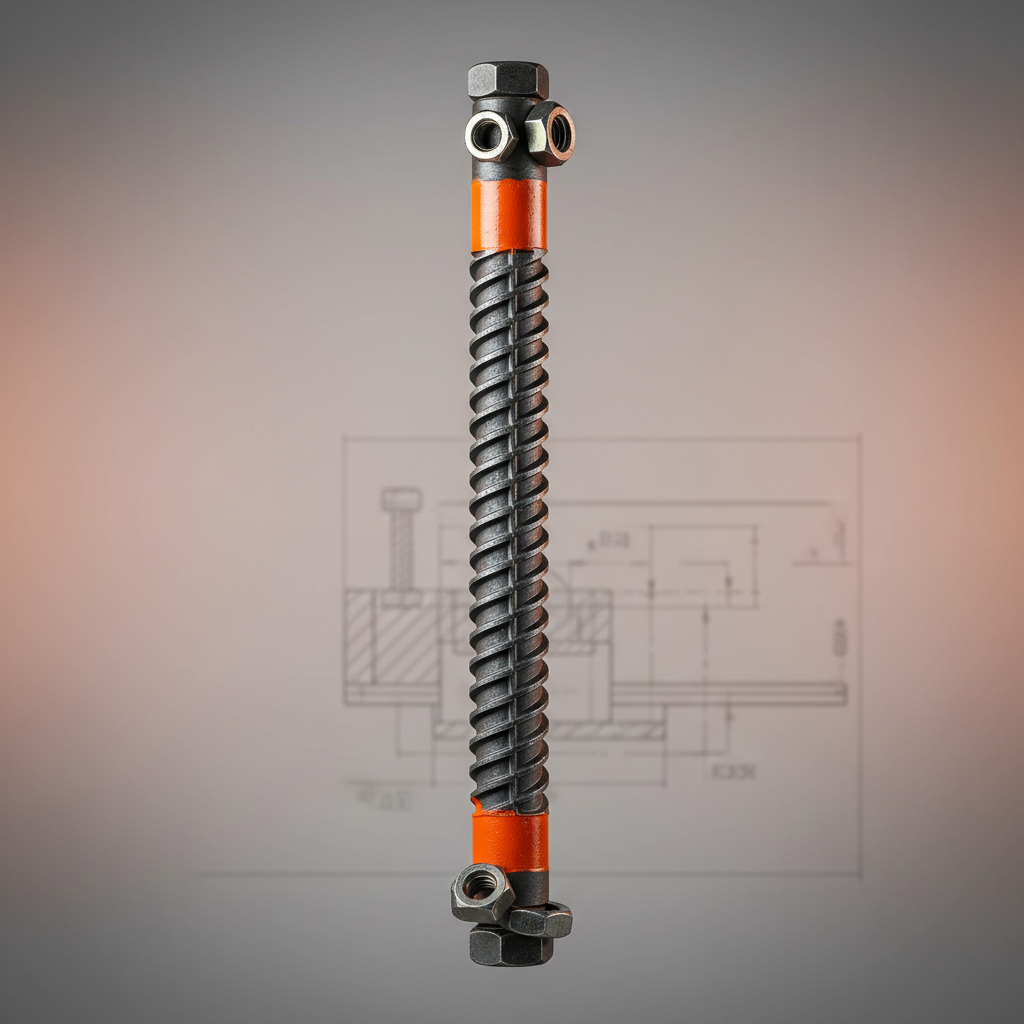
Simply put, an m24 rod refers to a reinforcement steel bar with a nominal diameter of 24 millimeters. It’s typically used in concrete construction to provide tensile strength where concrete alone might crack or fail. These rods are manufactured according to strict material properties, including tensile strength, yield point, and elongation, ensuring they’re up to the task. They are often ribbed (deformed) to improve bonding with concrete.
Modern industries — construction, oil and gas, heavy machinery — depend heavily on these rods. Even humanitarian projects that erect fast-assembly shelters post-disaster rely on standardized rods for sturdiness and safety. It’s one of those behind-the-scenes essentials that bolster everything around us.
Core Components and Key Factors of the m24 Rod
1. Durability
The m24 rod must resist corrosion, mechanical wear, and fatigue. Typically, it’s made from carbon steel or sometimes treated with anti-corrosive coatings. Durability matters especially in coastal or industrial areas where exposure to elements is harsh.
2. Strength and Tensile Capacity
Yield strength and ultimate tensile strength define how much load the rod can bear before deforming or breaking. For m24 rods, these specs are standardized (e.g., 500 MPa minimum yield strength, commonly according to ASTM A615/A706 or ISO 6935).
3. Bendability
The rod should remain workable on site. Bending without cracking is essential for fitting into complex rebar frameworks.
4. Cost Efficiency
Raw material price fluctuations and processing costs influence project budgets significantly. The m24 rod’s widespread availability makes it a cost-effective option compared to custom sizes or exotic materials.
5. Compliance and Certification
Meeting ISO or local standards is vital for safety and regulatory approvals. Traceability often requires labels or certificates, especially on large infrastructure projects.
Product Specification Table
| Specification | Value |
|---|---|
| Diameter | 24 mm |
| Yield Strength | ≥ 500 MPa |
| Ultimate Tensile Strength | ≥ 600 MPa |
| Length | 6 and 12 meters standard |
| Material | Carbon Steel, deformed |
| Coating | Optional epoxy or galvanized |
Mini takeaway: The m24 rod balances strength, flexibility, and cost, making it indispensable for durable and safe construction.
Real-World Applications of the m24 Rod
Around the world — from the development of high-rises in Asia to bridges in Europe, from industrial plants in the Americas to emergency shelters erected by NGOs in disaster zones — the m24 rod forms the skeletal framework of many critical structures.
- In post-disaster relief operations: Temporary shelters use m24 rods for framing quick-to-assemble buildings that protect affected populations.
- Infrastructure projects: Roads, bridges, tunnels — all depend on reinforced concrete embedded with these rods to handle immense stresses and heavy traffic.
- Remote industrial zones: Facilities like oil rigs or mining camps use rugged rod specifications due to extreme environmental stresses.
Even in custom machinery and equipment manufacturing, m24 rods sometimes serve as foundational components or structural supports.
Vendor Comparison: Common m24 Rod Providers
| Vendor | Material Grades | Coating Options | Global Shipping | Approx. Price (per ton) |
|---|---|---|---|---|
| SteelCorp Inc. | Grade 60, 75 | Galvanized, Epoxy | Yes | $600 - $700 |
| Global Metals Ltd. | Grade 55, 60 | Epoxy only | Limited regions | $580 - $650 |
| IronWorks | Grade 70 | No coating | Yes | $550 - $600 |
Advantages and Long-Term Value of Using m24 Rods
The benefits of choosing m24 rods spread beyond mere strength. They are, honestly, a smart investment into safety and sustainability. Cost-wise, they offer tremendous value given their reliability and widespread acceptance. Emotionally, engineers say they provide peace of mind — knowing that the infrastructure won’t fail unexpectedly.
Using m24 rods can also align with sustainable building practices: high-quality steel rods can be recycled, reducing environmental impact. Their long lifespan means less frequent repairs or rebuilds — which is both good for budgets and the communities that rely on the infrastructure.
All told, these rods enable innovation and the creation of structures that stand tall and proud for decades.
Looking Ahead: Trends and Innovations in m24 Rod Technology
The future of m24 rods involves integration with green construction materials and digital manufacturing. Steel companies experiment with lower-carbon production methods following ISO sustainability standards. Meanwhile, automation in manufacturing ensures tighter tolerances on rod diameters and properties.
Oddly enough, some researchers even explore embedding sensors in rods to monitor stress or corrosion levels in real time — a kind of “smart reinforcement” technology that could transform maintenance regimes.
Challenges & Solutions in Deploying m24 Rods
One common challenge is corrosion in extreme environments which can compromise rod strength if not properly coated or maintained. Supply chain disruptions occasionally affect the timely delivery of certain rod grades.
To overcome these, experts suggest improved coating technologies (epoxy, galvanization) and diversification of sourcing. Using online platforms for m24 rod procurement also helps mitigate delays.
Frequently Asked Questions About m24 Rod
-
What makes the m24 rod suitable for large infrastructure projects?
Its standardized diameter and tensile strength provide reliable structural support, essential for load-bearing frameworks in bridges, buildings, and tunnels. -
How is corrosion prevented in m24 rods used in coastal regions?
Through protective coatings like epoxy resin or galvanization, which serve as barriers against moisture and salt; regular maintenance also plays a key role. -
Are m24 rods customizable in length or shape for specialized projects?
Yes — fabrication shops can cut and bend m24 rods to precise lengths and shapes required by complex architectural designs or machinery. -
How can NGOs efficiently import m24 rods for disaster relief?
By partnering with global suppliers that offer certified rods with speedy shipping and by navigating customs with proper certification documentation.
Conclusion: Why the m24 Rod Remains a Pillar of Construction and Engineering
To sum up, m24 rods continue to be the backbone of many construction and industrial projects worldwide. Their balance of strength, flexibility, and cost-efficiency ensures they will remain relevant well into the future. Whether you are a builder, engineer, or planner, knowing the ins and outs of m24 rods can make all the difference.
For more detailed specs, procurement options, and innovative solutions, feel free to explore our resources and product offerings—we’re here to support your next project with quality and expertise.
Reflecting on this, it’s fascinating how such a seemingly simple component plays an outsized role in shaping the built environment — and frankly, how much care and precision go into ensuring it performs under pressure.
References
Post time: Dec . 02, 2025 13:35


 English
  Albanian
  Arabic
  Armenian
  Azerbaijani
  Belarusian
  Bosnian
  Bulgarian
  Cebuano
  Corsican
  Czech
Czech  Galician
  Georgian
  Greek
Greek  Hausa
Hausa  Hebrew
  Hungarian
  Igbo
Igbo  Indonesian
  Italian
  Kazakh
  Khmer
Khmer  Korean
  Kurdish
  Kyrgyz
  Lao
Lao  Latin
Latin  Latvian
  Lithuanian
  Malay
Malay  Myanmar
  Nepali
  Polish
  Portuguese
  Russian
  Serbian
  Sesotho
  Shona
Shona  Sindhi
  Spanish
  Tagalog
  Tajik
Tajik  Thai
Thai  Turkish
  Turkmen
  Ukrainian
  Uzbek
Uzbek  Vietnamese
  Yoruba
  Zulu
Zulu