
What Is an M10 Stainless Steel Threaded Rod and Why It Matters Globally
If you’re diving into construction, manufacturing, or even disaster relief infrastructure, chances are you’ve bumped into the term m10 stainless steel threaded rod. But why does this little steel workhorse matter on a global scale? Well, these rods play a vital role in creating robust, corrosion-resistant connections that keep everything from skyscrapers to remote shelters standing strong — even in challenging environments.
Understanding this component is more than a niche engineering detail; it’s about grasping a piece of the global puzzle on sustainable building, economic efficiency, and safety. The demand for durable fastening solutions only grows as urbanization, industrialization, and climate-sensitive infrastructure projects push boundaries worldwide.
Global Industry Context: Why Does the M10 Stainless Steel Threaded Rod Dominate?
Consider this: according to the International Organization for Standardization (ISO), stainless steel accounts for roughly 10% of global steel production, valued for longevity and strength. The m10 designation refers specifically to metric rods sized at 10 millimeters in diameter — a common size favored for its balance between strength and manageability in many industrial sectors.
Globally, the building and infrastructure market is expected to grow steadily, particularly in Asia-Pacific and parts of Africa, spurred by urban expansion and necessity for resilient structures. World Bank data highlights that infrastructure failures annually cost billions in economic losses — a tough reminder of why reliable components like m10 stainless steel threaded rods are indispensable.
In practical terms, what problem does this solve? Imagine ocean-side installations, where salty air accelerates rust and corrosion. The stainless steel variety offers prolonged service life compared to ordinary steel rods — that’s the difference between costly repairs every few years and a durable, long-lasting build.
Understanding the M10 Stainless Steel Threaded Rod
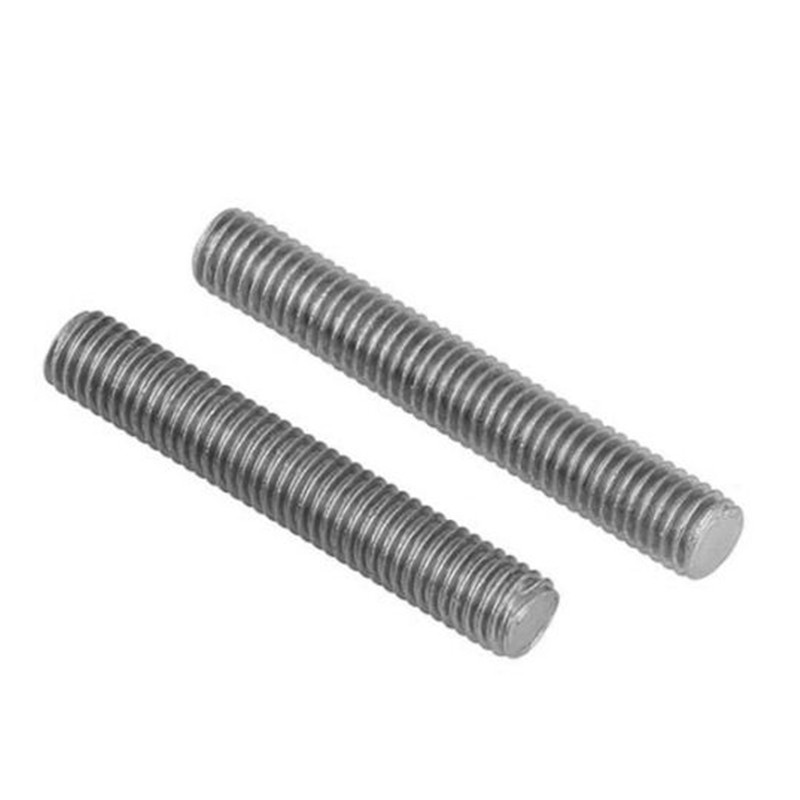
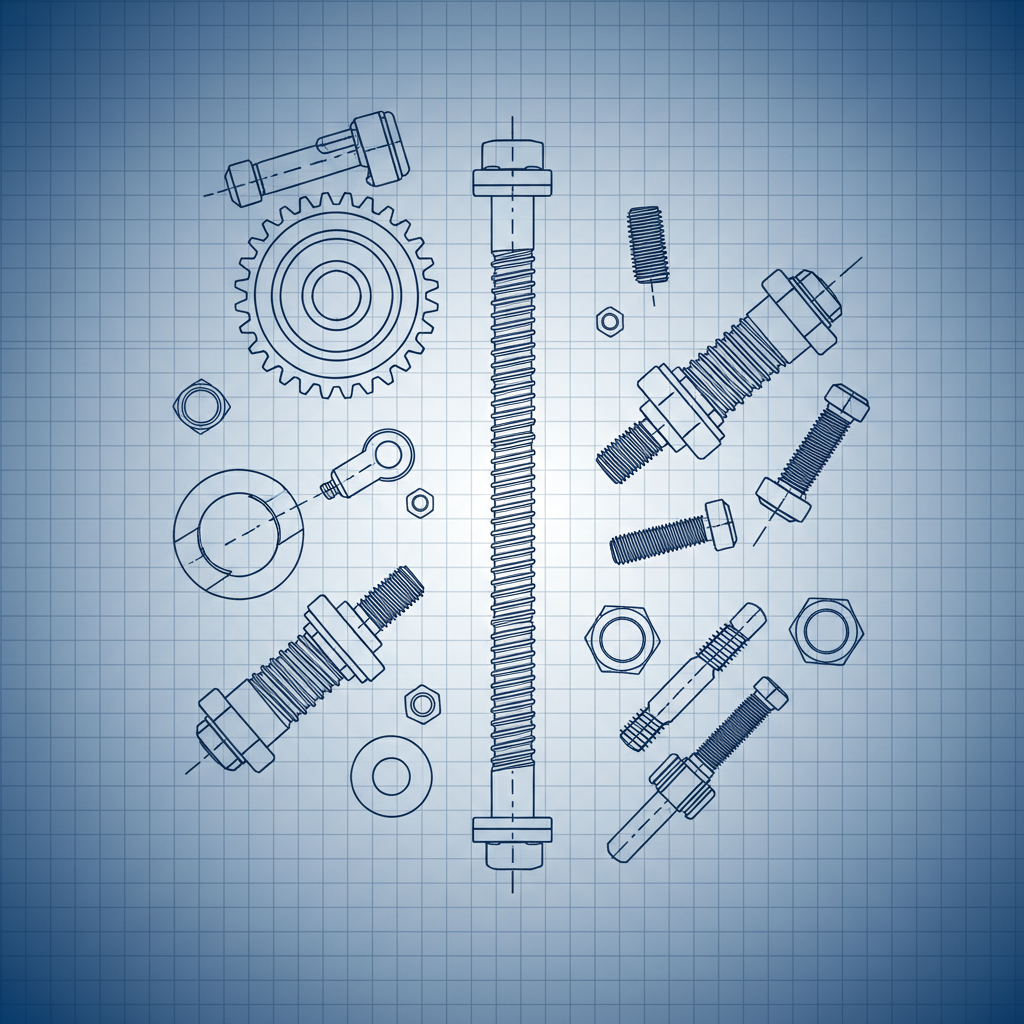
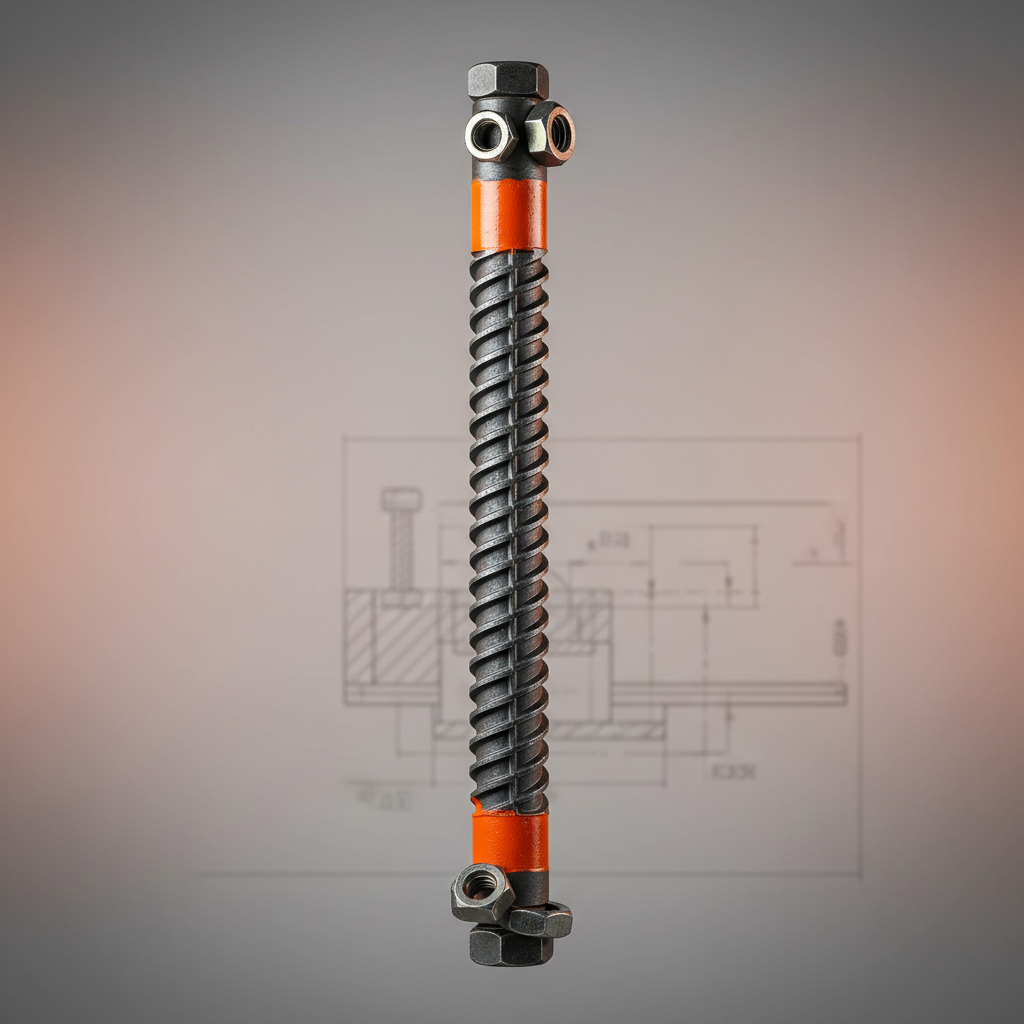
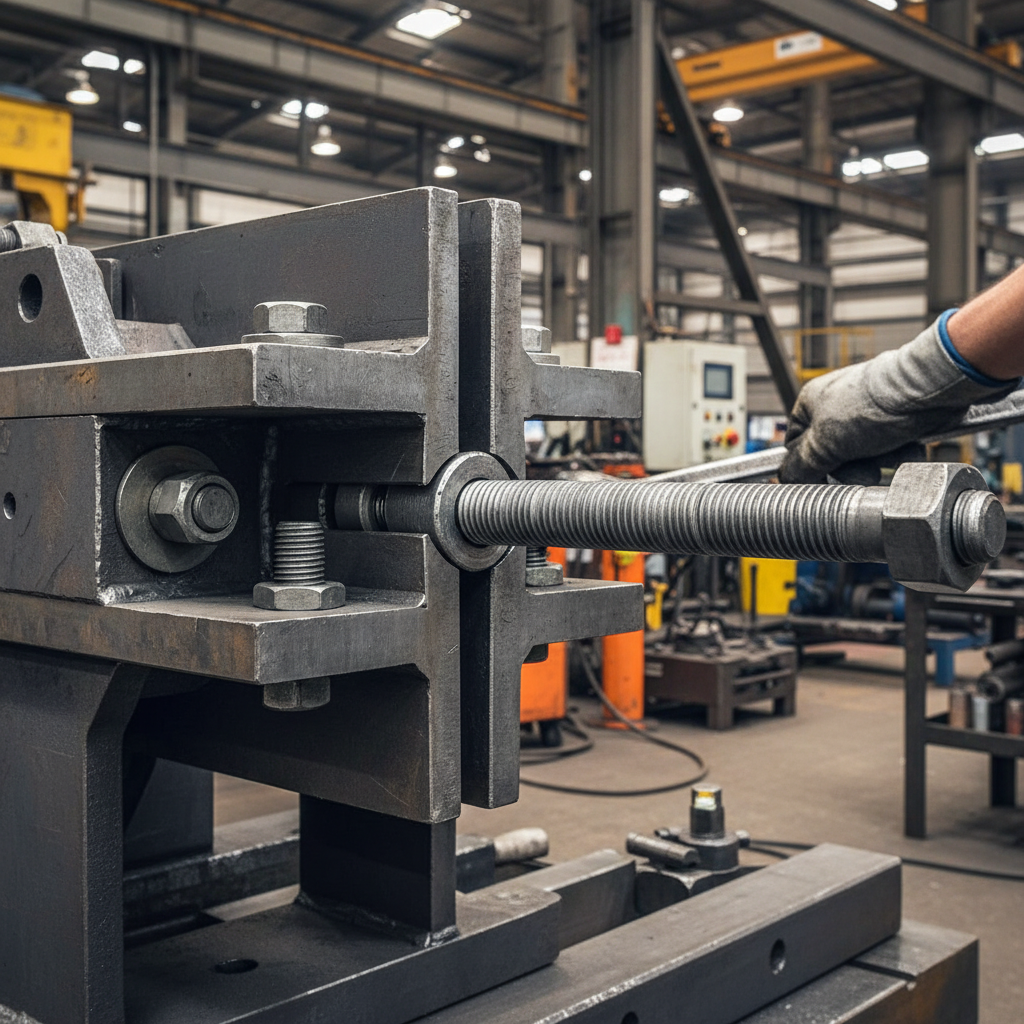
At its core, an m10 stainless steel threaded rod is a slender, round rod made from stainless steel, uniformly threaded along its length. “M10” simply means the rod’s major diameter measures 10 millimeters. This threading allows nuts and other fasteners to screw along the rod securely, making it an essential element in mechanical assemblies and construction.
Its significance rises from the intersection of simplicity and strength — a seemingly unassuming piece of hardware, yet versatile enough for modern engineering feats. Whether supporting bridge girders, anchoring electrical setups, or stabilizing modular housing units, these rods step into roles crucial for safety and durability.
Core Features to Consider in M10 Stainless Steel Threaded Rods
1. Durability and Corrosion Resistance
Stainless steel’s chromium content forms a protective layer that fights rust and degradation — particularly important for outdoor or marine environments. This inherently means less maintenance and longer lifespan.
2. Versatility and Scalability
Because m10 rods fit a very broad range of standard nuts and connectors, they scale well across industries — from small machine builds to heavy civil works. This makes inventory management and part replacement easier for engineers and technicians alike.
3. Strength-to-Weight Ratio
Many industries need components that can withstand tension and stress without adding unnecessary bulk. M10 stainless steel threaded rods provide a near-ideal strength-to-weight balance, suitable for seismic zones and high-vibration contexts.
4. Cost Efficiency Over Time
While stainless steel rods carry a higher upfront price compared to carbon steel, their longevity and reduced downtime often mean they’re the more economical choice over the lifecycle of a project.
5. Easy Installation and Compatibility
Thanks to their standard threading and sizing, these rods integrate smoothly into existing assemblies – without hassles or custom fitting.
Mini Takeaway:
Think of the m10 stainless steel threaded rod as a durable, versatile backbone for countless projects — its corrosion resistance and compatibility delivering lasting value in even tough environments.
Global Applications & Use Cases of M10 Stainless Steel Threaded Rod
From mega cities to remote villages, this rod’s footprint is everywhere:
- Construction and Infrastructure: Used in assembling steel frameworks, securing HVAC systems, and fastening utility poles. In coastal regions, stainless steel rods are preferred to withstand salty air.
- Disaster Relief Housing: NGOs use modular kits reinforced with M10 rods to build fast, strong shelters after earthquakes or floods.
- Marine and Offshore Projects: Critical for shipbuilding and offshore oil rigs where rust-fighting materials are a must.
- Energy Sector: Used extensively in renewable energy projects such as wind turbines and solar panel mounting systems, benefitting from corrosion resistance and strength.
Mini Takeaway:
These rods quietly support everything from emergency shelter to green energy — proof that a small piece of steel can have a massive global reach.
Advantages and Long-Term Value of Stainless Steel Threaded Rods
Anyone who’s spent nights dealing with worsening corrosion knows the emotional and financial toll. With m10 stainless steel threaded rods:
- Dependability: Less frequent replacements and repairs mean higher trust in structural integrity.
- Cost-Savings: Lower maintenance expenses over years — especially in corrosive environments.
- Sustainability: Longer-lived materials reduce waste and carbon footprint.
- Safety & Dignity: In humanitarian contexts, sturdier builds provide psychological comfort knowing families have sound shelters.
Product Specification Table
| Specification | Details |
|---|---|
| Diameter | 10 mm (M10) |
| Length | Varies: 500 mm – 3000 mm |
| Material Grade | A2 (304) or A4 (316) Stainless Steel |
| Thread Pitch | 1.5 mm (standard coarse pitch) |
| Tensile Strength | ≥ 700 MPa |
| Corrosion Resistance | Excellent in marine, industrial, and chemical environments |
Vendor Comparison: Leading Suppliers of M10 Stainless Steel Threaded Rods
| Vendor | Material Grades Offered | Standard Lengths | Delivery Time | Price Tier |
|---|---|---|---|---|
| GlobalSteels Inc. | A2 (304), A4 (316) | 500mm, 1000mm, 2000mm | 7-10 business days | Mid |
| Stainless Solutions | A4 (316) only | 1000mm, 1500mm, 3000mm | 5-7 business days | Premium |
| BudgetFasteners Ltd. | A2 (304) | 500mm, 1000mm | 10-15 business days | Economy |
Future Trends & Innovations in Stainless Steel Threaded Rods
It feels like steel fasteners are forever stuck in the past, but the truth is there’s a quiet evolution underway:
- Advanced Coatings: New anti-corrosion treatments extend service life even further without increasing cost.
- Smart Fasteners: Embedded sensors to monitor tension and integrity remotely, an idea slowly gaining traction in infrastructure oversight.
- Eco-friendly Production: Rising pressures to reduce carbon footprints encourage the use of recycled stainless steel without downgrade in quality.
- Customization & Rapid Prototyping: Additive manufacturing methods now allow near-instant availability of bespoke rod lengths or thread patterns.
Challenges & Innovative Solutions
Of course, not everything’s perfect. Stainless steel rods — especially premium grades like A4 — are pricier upfront, which can deter budget-strapped projects. And there’s always the risk of improper installation which undermines their strength.
Yet, many engineers advocate “whole-system” thinking — training craftsmen and supervision during installation plus selecting vendors who supply quality certifications. That reduces failures dramatically. On the pricing front, the economics clearly favor stainless steel over time, but cash flow matters to clients.
Frequently Asked Questions About M10 Stainless Steel Threaded Rod
- Q: What environments are best suited for M10 stainless steel threaded rods?
A: They excel in corrosive or outdoor environments — seaside installations, chemical plants, or wherever rust risks damage. In dry indoor uses, carbon steel might be adequate, but stainless adds peace of mind and longer life. - Q: Can I cut or modify the rod length on site?
A: Yes, rods can be cut to suit specific needs. However, care must be taken to clean and treat cut ends to prevent corrosion and maintain thread integrity. - Q: Is there a difference between A2 and A4 stainless steel rods?
A: Definitely. A4 contains molybdenum, giving it superior corrosion resistance, especially in saltwater. For marine or chemical exposure, A4 is preferred. - Q: How can NGOs import these rods quickly for disaster zones?
A: Many suppliers offer expedited shipping and customizable bulk orders. Ensuring timely customs clearance and working with experienced freight forwarders simplifies logistics dramatically.
Conclusion: Why M10 Stainless Steel Threaded Rod Is More Than Just Hardware
So the next time you see a construction worker tightening a nut on an m10 stainless steel threaded rod, remember you’re witnessing a piece of global ingenuity — a simple, yet brilliant component steadfastly holding together the things that shape our world. Reliability, sustainability, safety, and innovation all converge at this 10 mm cross-section.
Whether you’re an engineer, builder, or NGO coordinator, opting for quality rods means less headache, fewer breakdowns, and a tougher future for those counting on your work. For detailed specs and supplier options, visit our website: https://www.hbtbls.com. After all, strong connections start with strong rods.
References
Post time: Nov . 23, 2025 04:00


 English
  Albanian
  Arabic
  Armenian
  Azerbaijani
  Belarusian
  Bosnian
  Bulgarian
  Cebuano
  Corsican
  Czech
Czech  Galician
  Georgian
  Greek
Greek  Hausa
Hausa  Hebrew
  Hungarian
  Igbo
Igbo  Indonesian
  Italian
  Kazakh
  Khmer
Khmer  Korean
  Kurdish
  Kyrgyz
  Lao
Lao  Latin
Latin  Latvian
  Lithuanian
  Malay
Malay  Myanmar
  Nepali
  Polish
  Portuguese
  Russian
  Serbian
  Sesotho
  Shona
Shona  Sindhi
  Spanish
  Tagalog
  Tajik
Tajik  Thai
Thai  Turkish
  Turkmen
  Ukrainian
  Uzbek
Uzbek  Vietnamese
  Yoruba
  Zulu
Zulu