
Understanding the 10mm Stud Rod: A Backbone of Modern Construction
When you hear "10mm stud rod," it might sound like just another piece of metal hardware — but this simple steel component is, frankly, a silent giant in construction industries worldwide. From skyscraping commercial towers to simple household fences, the 10mm stud rod plays a crucial role in providing strength, stability, and flexibility. Understanding it isn’t just about knowing a measurement; it’s about grasping how infrastructure holds together, serving millions globally while supporting economic growth and humanitarian projects alike.
Introduction: Why 10mm Stud Rods Matter Globally
Steel usage worldwide is projected to hit 2 billion metric tons annually according to the World Steel Association, with reinforcement rods — including 10mm stud rods — constituting a key percentage of this demand. In fact, the ISO standards governing steel rebar sizes, including rods close to 10mm diameter, emphasize their vital importance in reinforcing buildings against earthquakes and extreme weather. However, challenges persist: sourcing quality steel, ensuring durability in varied climates, and balancing cost with performance. That's where a solid understanding of this commonplace rod becomes quite significant.
What Is a 10mm Stud Rod?
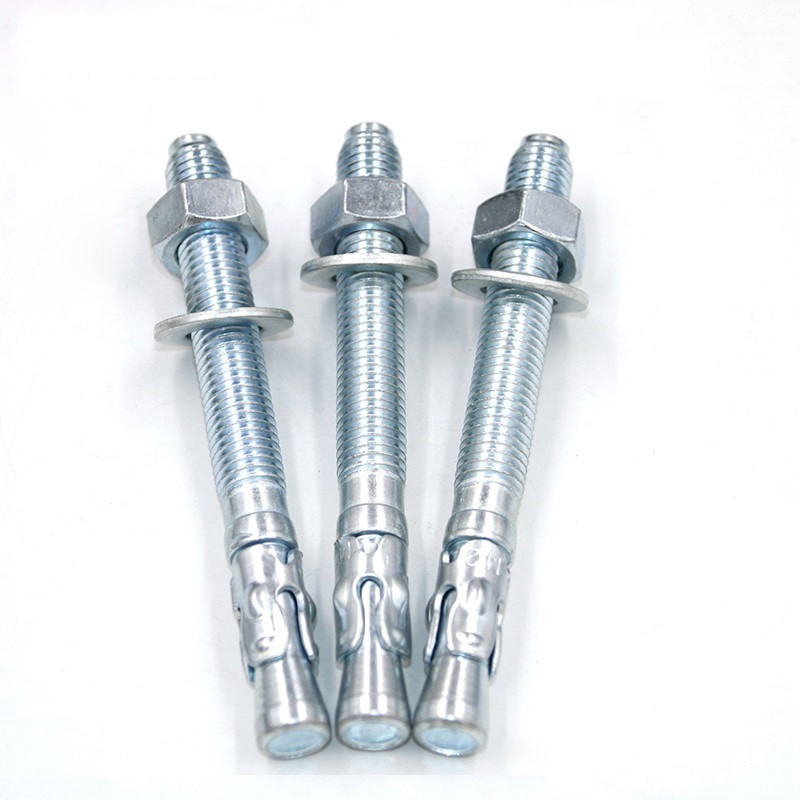
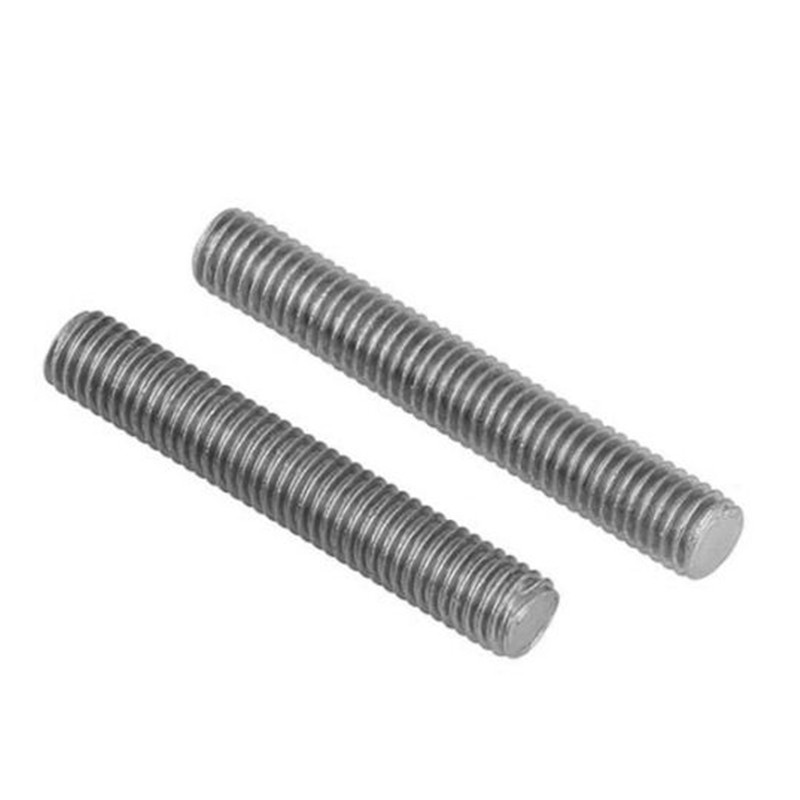
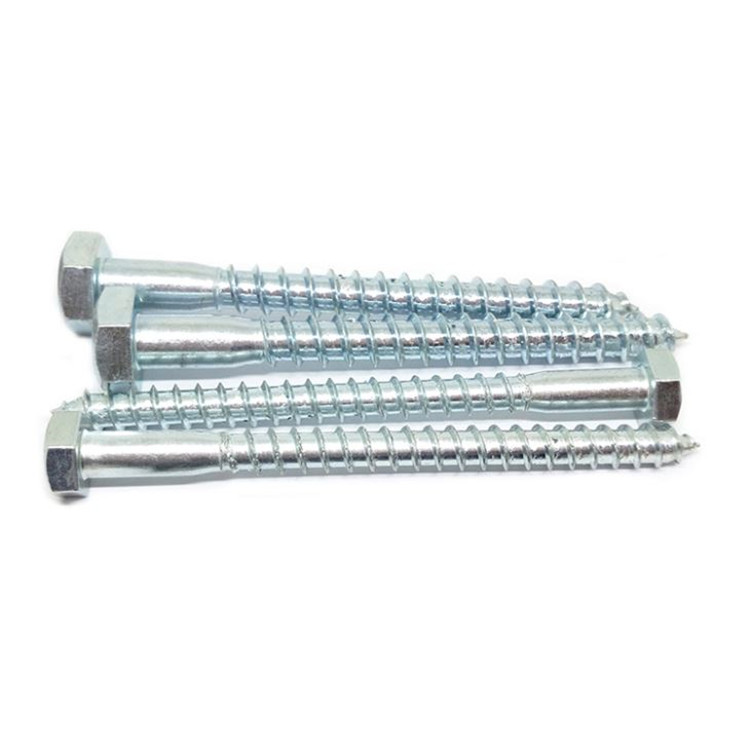
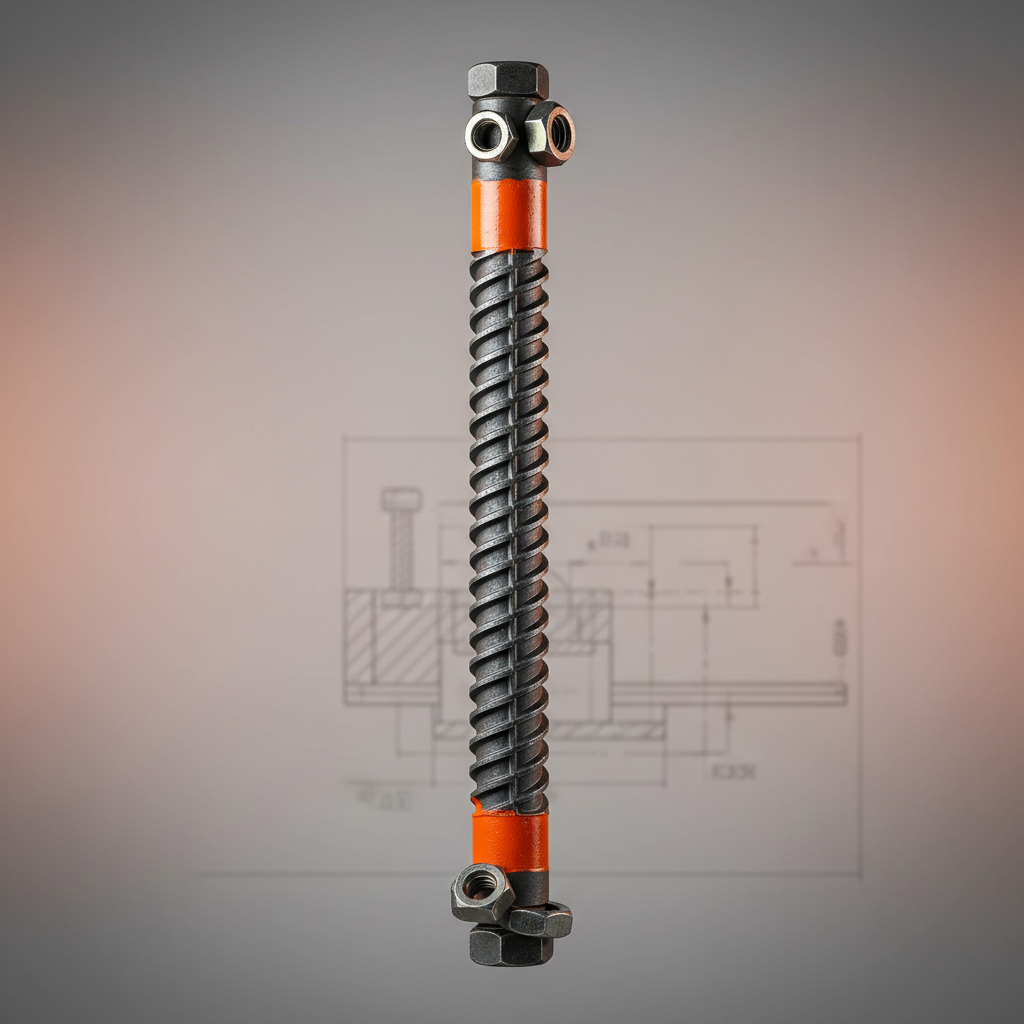
Put simply: a 10mm stud rod is a cylindrical steel rod that's 10 millimeters in diameter, often threaded or ribbed to better bond with concrete or other materials. These rods are used to fasten components under tension or compression — think rebar in reinforced concrete slabs or studs anchoring structural parts. They are standardized in size but can vary in length and steel type, adapting to the needs of different industries — from construction to manufacturing.
Beyond construction, these rods sometimes serve in humanitarian efforts — for example, rapidly assembling shelter frames after natural disasters or reinforcing field hospitals in developing regions where stability and speed are critical.
Key Features of 10mm Stud Rods
Durability
Steel stud rods, especially those made with alloyed or galvanized steel, resist corrosion and mechanical fatigue impressively. In coastal or humid environments, protective coatings extend their lifespan, crucial for maintaining infrastructure integrity over decades.
Cost Efficiency
A 10mm stud rod is economical — its standardized mass and availability make it cost-effective for mass production and large-scale projects. Consolidating materials saves both manufacturing time and waste.
Scalability
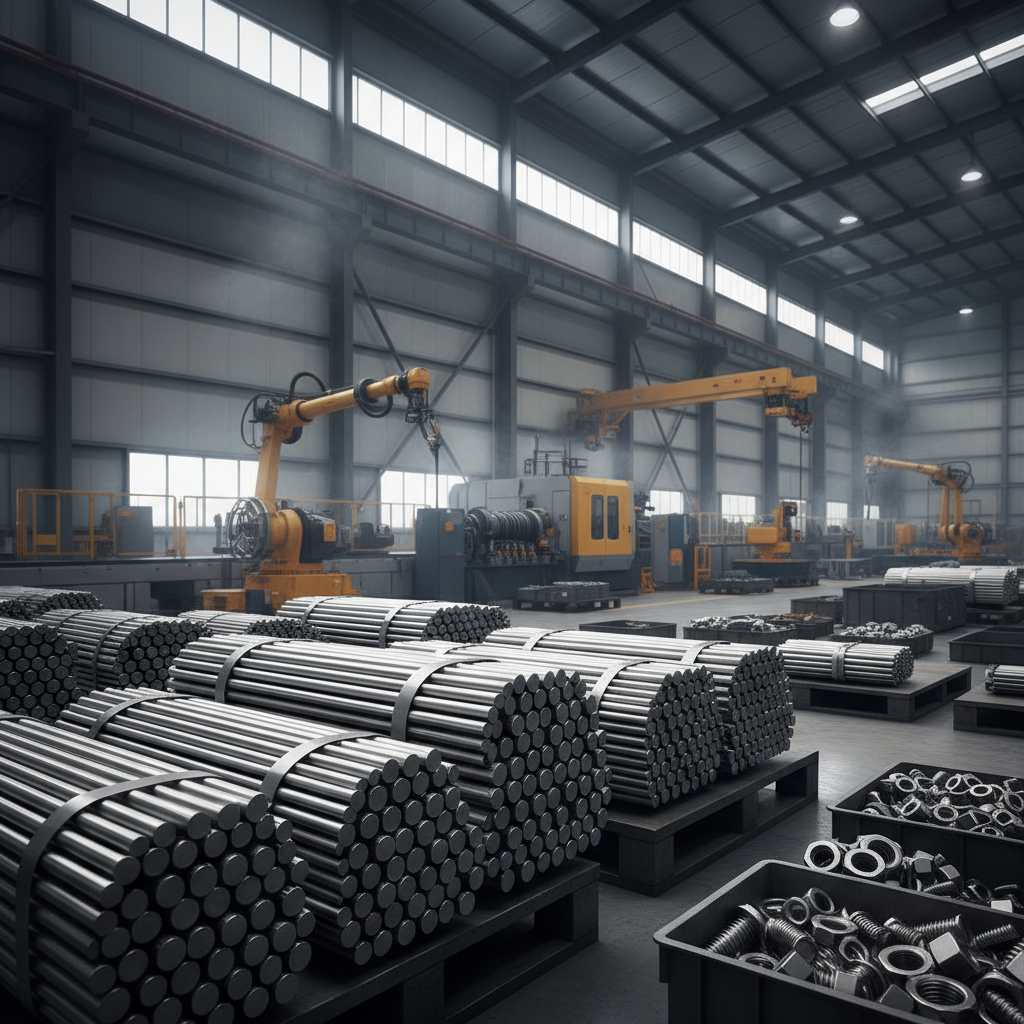
Whether you're working on a small residential fence or a large industrial platform, 10mm rods can scale accordingly, available in custom lengths or bundled for easy transport and handling on site.
Versatility
These rods adapt to numerous fastening methods — threaded engagement, welding, or adhesion within concrete matrices. Their design flexibility means they’re useful in scenarios ranging from machinery anchoring to civil engineering.
Compliance with Standards
Most 10mm stud rods conform to international standards like ASTM A36 or BS 4449, ensuring predictable mechanical properties — a non-negotiable for engineers and architects.
| Property | Value |
|---|---|
| Diameter | 10 mm |
| Length | Typically 1 - 6 meters (customizable) |
| Material | Carbon Steel / Alloy Steel / Galvanized Steel |
| Yield Strength | Approximately 250 - 500 MPa |
| Standards | ASTM A36, BS 4449, ISO 6935-2 |
Global Applications & Use Cases
Oddly enough, the humble 10mm stud rod turns up just about everywhere, from infrastructure hubs in Asia to rebuilding efforts in post-disaster zones like the Caribbean. For example:
- Construction Industry: Used extensively in reinforced concrete structural frames globally — in regions like Europe, North America, and China.
- Disaster Relief: NGOs and governments rely on stud rods to quickly build stable shelters after earthquakes or hurricanes.
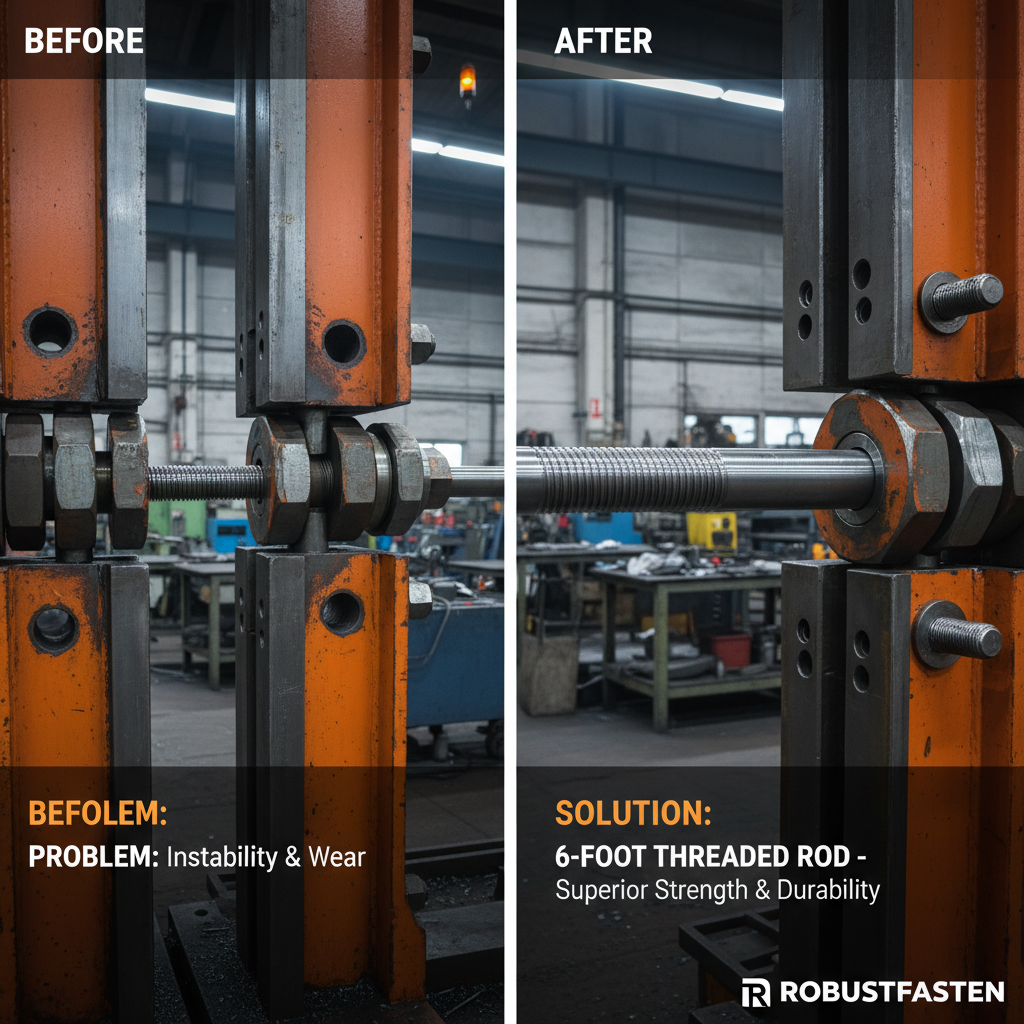
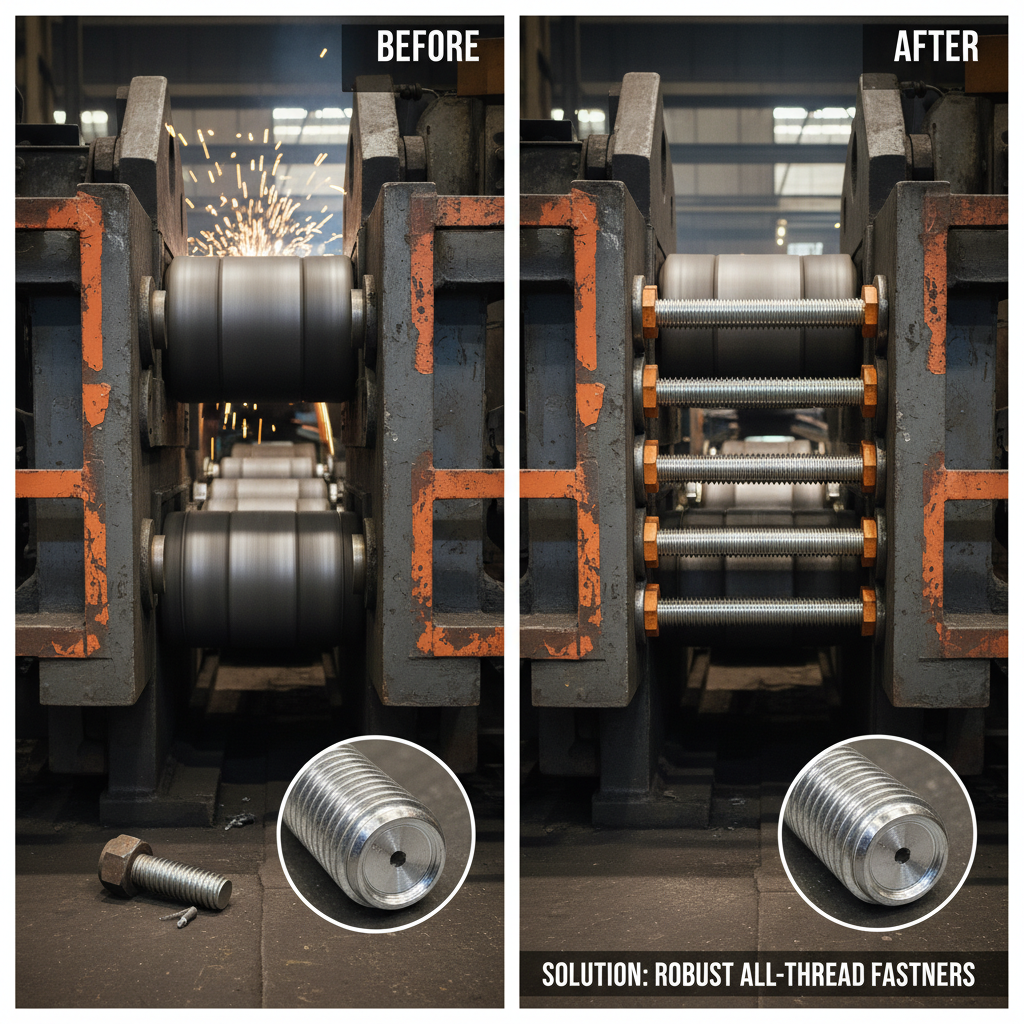
- Industrial Manufacturing: Machinery assembly lines use threaded 10mm rods to anchor parts needing high tolerance and strength.
- Agricultural Fencing: Farmers from Australia to South Africa use these rods to secure fencing posts against harsh weather.
A colleague I spoke with last year in Southeast Asia noted how standardizing rod sizes sped up rebuilding efforts after floods — the 10mm size was a “sweet spot” balancing strength and weight.
Advantages & Long-Term Value
Why do engineers keep coming back to 10mm stud rods? Well, they’re reliable and predictable. Investing in high-quality rods reduces risks: fewer structural failures, longer-lasting frameworks, and easier maintenance. On a social level, using such standards means people entrust their safety to proven materials. There’s something comforting about knowing the beam over your head is reinforced by dependable steel.
Plus, these rods have environmental benefits: many suppliers now source steel with recycled content, and durable rods reduce the frequency of repairs. Cost savings, safety, and sustainability — not bad for a slim chunk of metal.
Future Trends & Innovations Surrounding 10mm Stud Rods
Frankly, the industry never stands still. Innovations include:
- Green Steel Production: Using hydrogen reduction rather than coal, slashing carbon footprints.
- Coatings & Treatments: New anti-corrosion layers extend service life in salty or acidic environments.
- Digital Traceability: Embedding micro-tags or QR codes on rods enables quality tracking and counterfeit prevention.
- Automation: Automated rod bending and thread cutting improve customization and reduce waste.
Challenges & Solutions
Despite many advantages, challenges remain. Supply chain disruptions can cause material shortages; inconsistent quality in some regions poses risks; and recycling rates aren’t yet optimal worldwide. Industry leaders suggest:
- Developing local steel mills adhering to global standards.
- Employing stricter quality assurance and certifications.
- Encouraging client education to select proper rods for project needs.
These solutions reflect ongoing dedication to making 10mm stud rods not just ubiquitous but also trustworthy.
| Brand | Material Grade | Certification | Typical Price (per meter) | Lead Time |
|---|---|---|---|---|
| SteelPro | ASTM A36 | ISO 9001 | $2.10 | 2 weeks |
| GlobalRods | BS 4449 | CE Mark | $2.35 | 1 week |
| EcoSteel | Recycled Alloy Steel | ISO 14001 | $2.50 | 3 weeks |
FAQ: Frequently Asked Questions About 10mm Stud Rod
1. What types of steel are best for 10mm stud rods in coastal areas?
In coastal regions, galvanized steel or stainless steel variants are recommended due to their corrosion resistance against salty air. These coatings significantly extend rod lifespan, protecting structural integrity.
2. Can 10mm stud rods be customized in length or threading?
Yes! Most suppliers offer cut-to-length rods and custom threading options to fit specific project requirements, whether for anchoring or reinforcement.
3. How do 10mm stud rods contribute to sustainable construction?
By using recyclable steel and durable coatings, they reduce the need for frequent replacement, thus minimizing resource consumption and environmental impact over a building’s life cycle.
4. Is installation of 10mm stud rods complex for small contractors?
Not particularly. These rods are designed for straightforward use with common joining methods, making them practical for both large contractors and smaller projects alike.
5. Where can I buy quality 10mm stud rods online?
Numerous vendors operate online, but for assured standards and excellent service, check out trusted suppliers like 10mm stud rod specialists that provide certification and delivery support globally.
Conclusion: The Long-Term Value of 10mm Stud Rods
To sum up, the 10mm stud rod is an unsung hero in construction and industrial applications worldwide. Its balance of durability, versatility, and affordability makes it integral not only for everyday building but also for complex and urgent challenges like disaster relief. As the industry innovates with greener materials and smarter manufacturing, these rods will remain foundational, helping build safer, longer-lasting, and more sustainable infrastructure.
For trusted products and expert advice on the right 10mm stud rods for your needs, visit our website: https://www.hbtbls.com
Takeaway: A solid 10mm stud rod is literally the backbone of strong, reliable construction anywhere – understanding it helps build better, safer futures.
References
Post time: Dec . 07, 2025 14:55



 English
  Albanian
  Arabic
  Armenian
  Azerbaijani
  Belarusian
  Bosnian
  Bulgarian
  Cebuano
  Corsican
  Czech
Czech  Galician
  Georgian
  Greek
Greek  Hausa
Hausa  Hebrew
  Hungarian
  Igbo
Igbo  Indonesian
  Italian
  Kazakh
  Khmer
Khmer  Korean
  Kurdish
  Kyrgyz
  Lao
Lao  Latin
Latin  Latvian
  Lithuanian
  Malay
Malay  Myanmar
  Nepali
  Polish
  Portuguese
  Russian
  Serbian
  Sesotho
  Shona
Shona  Sindhi
  Spanish
  Tagalog
  Tajik
Tajik  Thai
Thai  Turkish
  Turkmen
  Ukrainian
  Uzbek
Uzbek  Vietnamese
  Yoruba
  Zulu
Zulu