
Understanding 1 2 Stainless Steel All Thread: A Global Industrial Staple
When you hear 1 2 stainless steel all thread, what probably comes to mind is something quite niche—but oddly enough, it’s everywhere behind the scenes. From massive construction projects to delicate machinery, these all-thread rods are the silent workhorses. Knowing their ins and outs is surprisingly important for industries worldwide, especially since stainless steel’s corrosion resistance significantly boosts durability and safety. On a global scale, understanding these threads means better infrastructure, longer-lasting products, and ultimately, smarter investments.
Why It Matters Globally
Steel production, according to the World Steel Association, topped 1.8 billion metric tons in recent years, with stainless steel comprising roughly 5-7% of that volume (World Steel Association). 1 2 stainless steel all thread rods are essential fastening elements that enable everything from skyscraper frameworks to hospital equipment to maintain integrity under stress and over time.
Industries struggle with fasteners that corrode or fail under load—leading to costly repairs and sometimes hazardous failures. Hence, stainless all-thread solutions have become a global go-to. You could say they're small parts with huge impacts.
Quick Takeaway
- 1 2 stainless steel all thread plays a critical role in robust, corrosion-resistant fastening worldwide.
- Its importance is growing with infrastructure demands in developing and developed countries alike.
What Exactly Is 1 2 Stainless Steel All Thread?
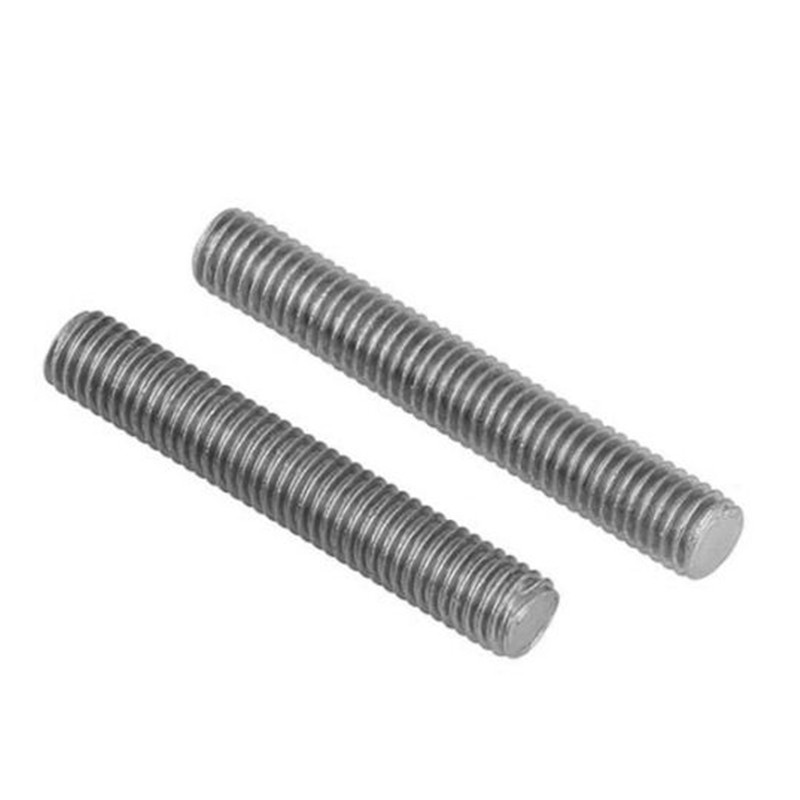
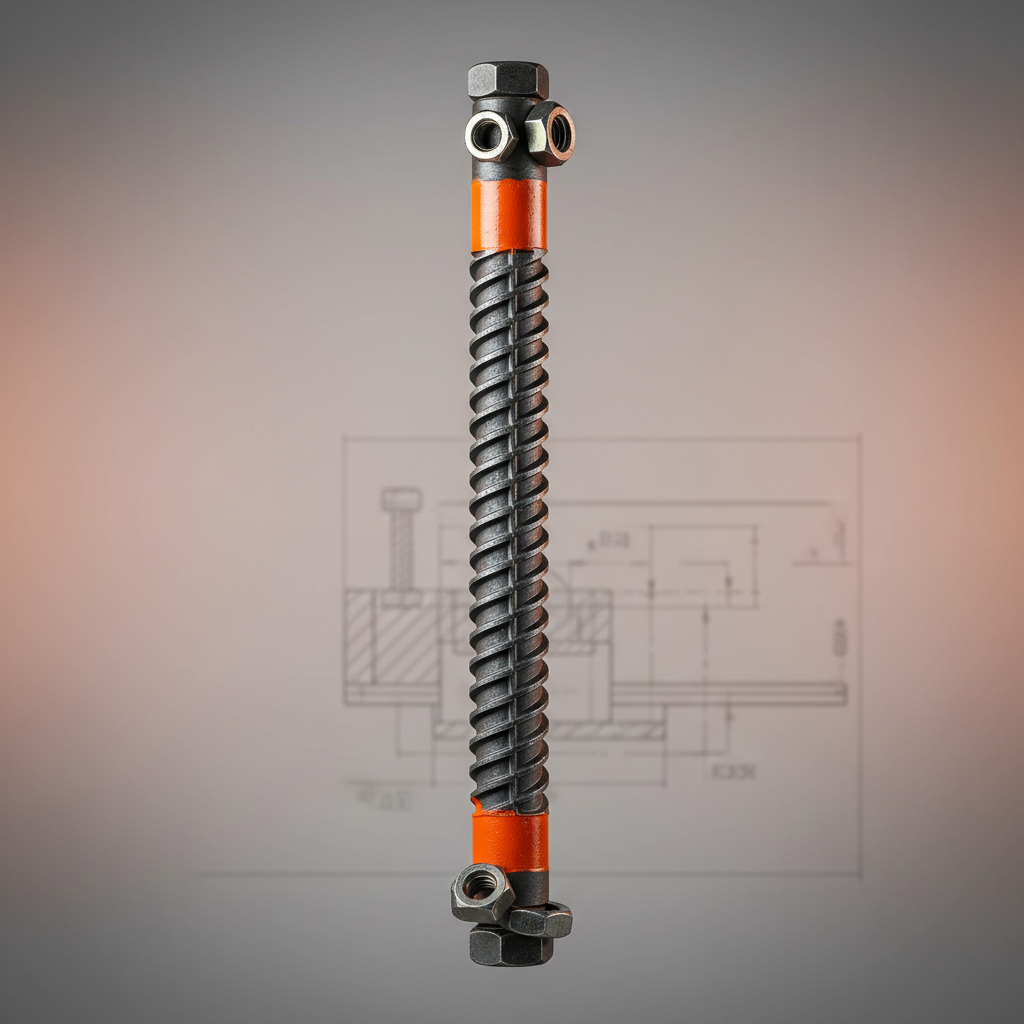
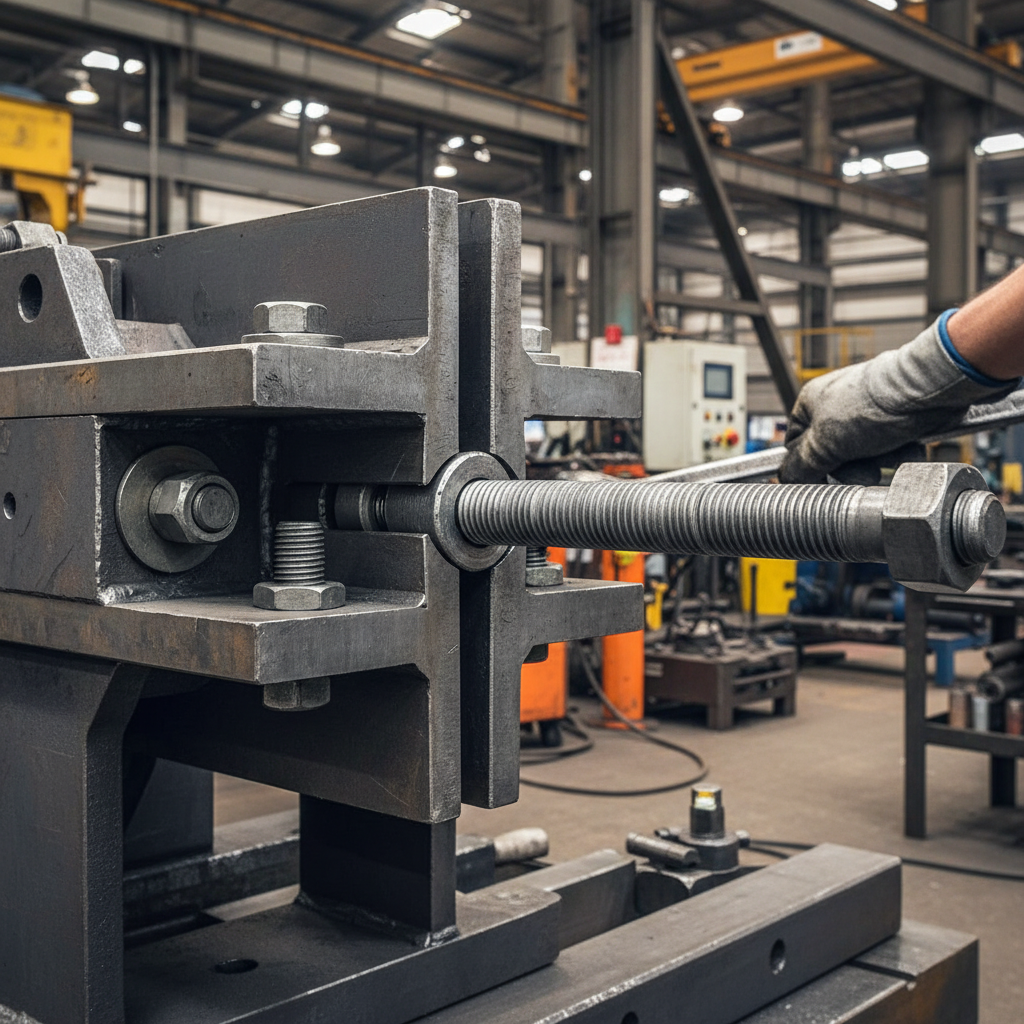
Put simply, a 1 2 stainless steel all thread is a rod made entirely of stainless steel, threaded along its entire length, typically sized nominally at 1/2 inch in diameter. The threading allows nuts or other fasteners to securely grip anywhere along the rod’s length, offering customization in length and fit.
In practical terms, an all-thread acts like an adjustable bolt. Unlike standard bolts, which have a fixed threaded length, all-thread rods make it easier to connect, brace, or stabilize structures of various sizes—think scaffolding, machinery mounts, or piping systems, where you might need length flexibility.
Industry & Humanitarian Connections
1 2 stainless steel all thread rods are common in industries where reliability and corrosion resistance are vital—marine, chemical processing, and even humanitarian ventures such as emergency shelters that must endure harsh weather. Oddly enough, they even play a quiet but essential part in renewable energy structures like solar arrays and wind turbines.
Mini Summary
- The 1 2 stainless steel all thread is a fully threaded rod approximately half an inch in diameter.
- Its flexibility and corrosion resistance make it indispensable across diverse sectors.
Core Components of 1 2 Stainless Steel All Thread
1. Durability
Stainless steel composition — typically grades like 304 or 316 — ensures exceptional resistance to rust and wear. This matters in both indoor and outdoor applications, where moisture and environmental factors threaten lesser metals.
2. Flexibility & Scalability
Because the full length is threaded, customization is straightforward. Need a longer rod for an industrial frame? Cut it down where needed. Use it in any number of applications without worrying about bolt length restrictions.
3. Strength
Though thinner than some structural bolts, 1 2 stainless steel all thread rods meet many tensile strength requirements, often grade-dependent. Engineers often turn to them for medium-load jobs.
4. Cost Efficiency
They’re more affordable than custom-sized bolts and easy to source worldwide. The longevity afforded by stainless steel also reduces replacement frequency.
5. Corrosion Resistance
Another win for stainless steel—UV, moisture, even many chemicals often encountered in industrial or marine environments don’t degrade these rods easily.
Quick Recap
- Durability through corrosion resistance
- Length and use flexibility
- Cost-effective in long term
Product Specification Table: Typical 1 2 Stainless Steel All Thread
| Specification | Description |
|---|---|
| Diameter | 1/2 inch (12.7 mm) |
| Length | Typically 3 to 10 feet (customizable) |
| Material Grade | 304 or 316 Stainless Steel |
| Thread Pitch | 13 TPI (threads per inch) – Unified National Coarse (UNC) |
| Tensile Strength | About 75,000 psi for Grade 304 |
| Corrosion Resistance | Excellent, especially 316 grade |
Global Applications & Use Cases for 1 2 Stainless Steel All Thread
Across continents and industries, these rods hold structures together where strength and weather resistance meet. For example:
- Construction: Securing framework and scaffolding, especially in coastal cities where salt air accelerates corrosion.
- Marine: Used extensively on boats and docks for fasteners resistant to rust.
- Renewable Energy: Wind turbine blade mounts and solar panel brackets often incorporate stainless all thread for longevity and safety.
- Disaster Relief: Emergency shelters sometimes rely on stainless steel fasteners that can withstand rains and floods.
- Infrastructure: Bridges and public transit components benefit from stainless steel all threads that reduce maintenance needs.
A good case is in Southeast Asia, where combination of humidity and urban growth pressures require reliable, fast-installation components. NGOs also use these threads in temporary structures for humanitarian missions.
Mini Takeaway
- Flexibility makes 1 2 stainless steel all thread rods a top contender for varied, even harsh environments.
- Global industries find them crucial for long-term stability and safety.
Advantages & Long-Term Value
Cost savings come from less frequent replacements and fewer failures, but there’s also peace of mind. When something as critical as an anchoring rod won’t rust or snap, it comforts engineers and end-users alike.
This also ties into sustainability. Stainless steel is highly recyclable, and its durability reduces waste—aligning with ISO 14001 environmental management principles (ISO).
Socially, reliable infrastructure contributes directly to safety and longer service life of essential facilities. It feels a bit abstract, but millions of lives indirectly benefit from these seemingly mundane fasteners.
Summary Points
- Reliable, rust-resistant fittings reduce costly repairs.
- Help meet sustainability goals by reducing material waste.
- Support social safety and infrastructure longevity.
Future Trends & Innovations in Stainless Steel All Thread
The future looks bright — advances in metallurgy continue to produce stainless grades tailored for even more corrosive environments. Also, emerging coatings and surface treatments add layers of protection.
Automation and digital tracking in manufacturing help maintain tighter quality control. Smart inventory systems even sync stock levels for better supply chain management. Green energy infrastructure growth will likely increase stainless steel all thread demand.
Add to that recyclability improvements and eco-friendlier production processes, and these rods will likely remain a keystone of modern fastening solutions.
Takeaway
- Material science enhancements continue to refine durability and application scope.
- Industry digitization improves quality and availability.
Common Challenges & Solutions
One issue is precise sizing—cutting all-thread rods to length requires clean, burr-free cuts to avoid compromising threads. That means good tooling and post-cut treatment.
Another challenge is corrosion in extremely aggressive environments like chloride-laden seawater—sometimes 316L or specialty alloys are needed, pushing costs up.
Solutions include innovations in post-cut thread quality control and selecting appropriate stainless grades according to ISO or ASTM standards. Consultation with vendors who specialize in marine-grade stainless steel is often a wise move.
Mini Takeaway
- Correct cutting and finishing are crucial to maintain thread integrity.
- Choosing the right stainless grade mitigates corrosion risks.
Vendor Comparison of 1 2 Stainless Steel All Thread Suppliers
| Vendor | Material Grades | Cutting Services | Lead Time | Price Range |
|---|---|---|---|---|
| HBTBLS | 304, 316L | Custom cuts available | 3-5 days | Mid-range, volume discounts |
| FastThread Co. | 304 only | Standard lengths only | 7-10 days | Lower price, no customization |
| MetalMakers | 316, specialty alloys | Advanced cutting & finishing | 5-7 days | Premium pricing |
FAQ: Common Questions About 1 2 Stainless Steel All Thread
- Q: How do I choose between 304 and 316 stainless steel all thread?
A: If your application involves exposure to saltwater or harsh chemicals, 316 grade is preferable due to higher corrosion resistance. For general purposes, 304 is usually sufficient and more cost-effective. - Q: Can I cut 1 2 stainless steel all thread rods onsite?
A: Yes, but it requires proper tools like an angle grinder or hacksaw and post-cut thread cleaning to prevent damage. Many suppliers offer pre-cut lengths to specs which can help avoid onsite hassle. - Q: Are stainless steel all-thread rods recyclable?
A: Absolutely. Stainless steel has a high recycling rate and can be melted down without quality loss, supporting sustainability goals. - Q: How long does 1 2 stainless steel all thread last outdoors?
A: With proper selection (e.g., 316 grade), these rods can last decades in outdoor environments, outperforming carbon steel fasteners prone to rust. - Q: Where can I buy 1 2 stainless steel all thread?
A: Many industrial suppliers stock them, including online distributors like 1 2 stainless steel all thread. Look for vendors who offer customization and good quality control.
Conclusion & Call to Action
To wrap up: 1 2 stainless steel all thread rods remain fundamental in fastening diverse industrial, construction, and humanitarian projects globally. Their corrosion resistance, adaptability, and durability mean long-term savings and safer builds. For anyone specifying or using these fasteners, understanding grades, applications, and vendor options is key to optimal results.
Curious to explore options or get custom sizes? Visit us at https://www.hbtbls.com for more details and expert advice.
It’s funny how something as small as a threaded rod can be the backbone of critical infrastructure worldwide. I suppose it shows how the smallest bits sometimes hold it all together.
References
Post time: Dec . 02, 2025 11:45


 English
  Albanian
  Arabic
  Armenian
  Azerbaijani
  Belarusian
  Bosnian
  Bulgarian
  Cebuano
  Corsican
  Czech
Czech  Galician
  Georgian
  Greek
Greek  Hausa
Hausa  Hebrew
  Hungarian
  Igbo
Igbo  Indonesian
  Italian
  Kazakh
  Khmer
Khmer  Korean
  Kurdish
  Kyrgyz
  Lao
Lao  Latin
Latin  Latvian
  Lithuanian
  Malay
Malay  Myanmar
  Nepali
  Polish
  Portuguese
  Russian
  Serbian
  Sesotho
  Shona
Shona  Sindhi
  Spanish
  Tagalog
  Tajik
Tajik  Thai
Thai  Turkish
  Turkmen
  Ukrainian
  Uzbek
Uzbek  Vietnamese
  Yoruba
  Zulu
Zulu