

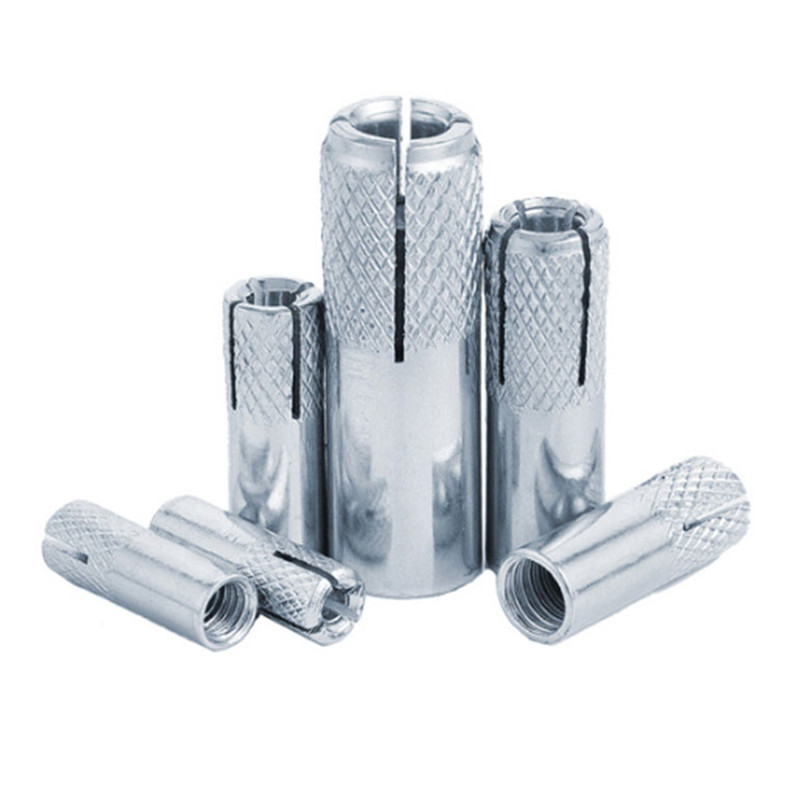
When it comes to securing fixtures to concrete surfaces, drop in anchors represent one of the most reliable and efficient fastening solutions available in the construction industry. These specialized anchors, including popular sizes like 3 8 drop in anchors, provide exceptional holding power while maintaining easy installation characteristics that make them ideal for various applications. The selection process for drop in concrete anchors involves careful consideration of multiple factors including load requirements, concrete conditions, and environmental exposures. This comprehensive guide explores the critical aspects of choosing the appropriate drop in anchors for your specific project needs, ensuring optimal performance and long-term reliability in concrete fastening applications.
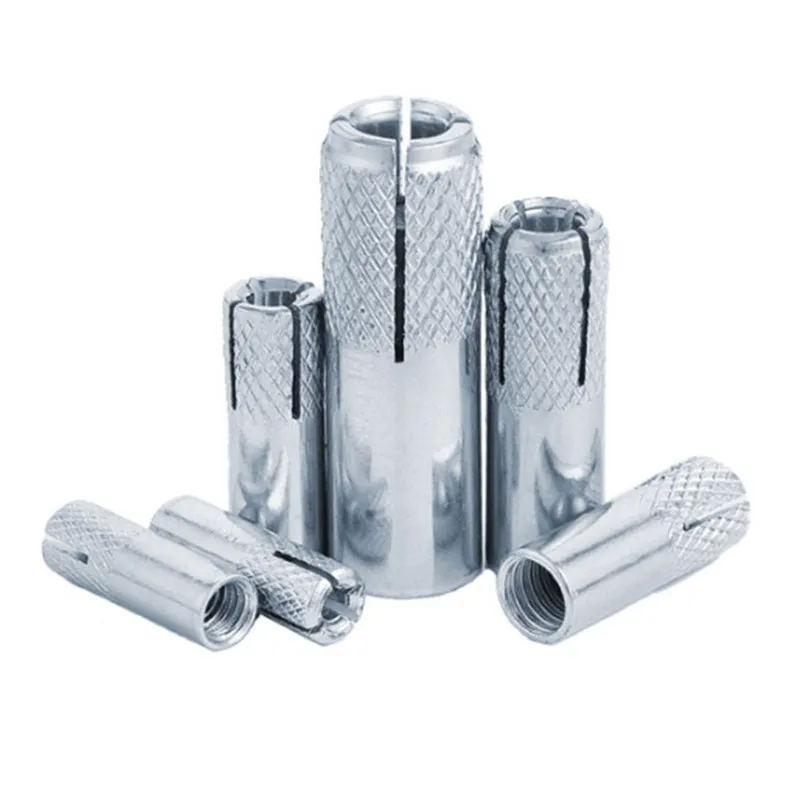
Key Factors in Selecting 3 8 Drop in Anchors
The selection of 3 8 drop in anchors requires careful evaluation of several technical parameters to ensure proper performance in the intended application. Load capacity stands as the primary consideration, with both tension and shear values needing to exceed the anticipated service loads with an appropriate safety factor. The concrete quality significantly impacts anchor performance, as drop in concrete anchors rely on the compressive strength of the base material for their holding power. Most manufacturers specify minimum concrete compressive strength requirements, typically 2000 psi or greater, for proper drop in anchors installation. Environmental conditions represent another critical factor, with exposure to moisture, chemicals, or temperature extremes potentially necessitating special materials like stainless steel for corrosion resistance. Edge distance and spacing requirements must also be observed to prevent concrete breakout failures, with most 3 8 drop in anchors requiring minimum edge distances of 4-5 times the anchor diameter. Professional engineers often refer to industry standards such as ACI 318 when specifying drop in concrete anchors for structural applications to ensure compliance with building code requirements.
Installation Considerations for Drop in Concrete Anchors
Proper installation techniques are equally as important as correct selection when working with drop in anchors. The installation process begins with drilling a hole of precise diameter and depth to accommodate the specific 3 8 drop in anchors being used. Hole cleaning represents a critical step that is often overlooked, as concrete dust and debris can prevent proper expansion of drop in concrete anchors if not thoroughly removed using compressed air or specialized brushes. The setting process requires a specific setting tool matched to the anchor size, with drop in anchors typically requiring a hammer strike on the setting tool to properly expand the anchor sleeve within the concrete. Installation torque should be carefully controlled when threading fasteners into 3 8 drop in anchors to avoid overstressing the assembly. Professional installers often perform proof testing on sample drop in concrete anchors to verify proper installation before proceeding with the entire project, particularly in critical load-bearing applications where failure could have serious consequences.
Comparing Drop in Anchors with Alternative Fastening Systems
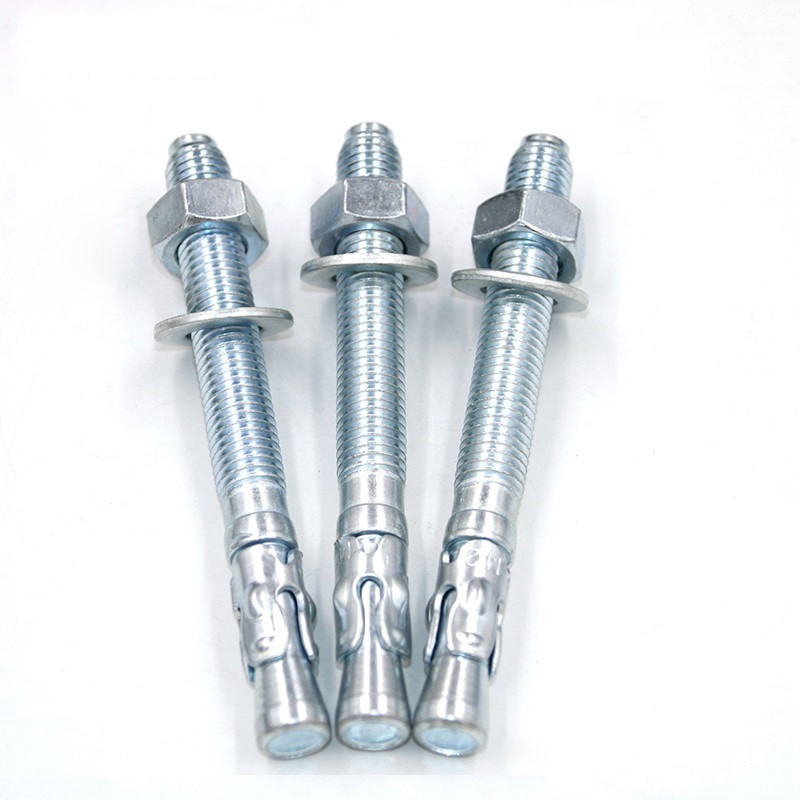
While drop in anchors offer numerous advantages, understanding how they compare to other concrete fastening systems helps in making the most appropriate selection for each application. The primary advantage of drop in concrete anchors lies in their combination of high load capacity and relatively easy installation compared to alternatives like epoxy anchors or wedge anchors. 3 8 drop in anchors typically provide higher load values than screw anchors of similar diameter while maintaining easier installation than expansion wedge systems. However, drop in anchors may not be suitable for all situations, particularly in cracked concrete or seismic applications where specialty anchors may be required. The internal threading of drop in concrete anchors provides convenient attachment points for various fixtures, unlike some other systems that require through-bolting. Cost considerations also come into play, with 3 8 drop in anchors generally offering an economical balance between performance and price for many medium-duty applications. Understanding these comparative advantages helps specifiers determine when drop in anchors represent the optimal solution versus when alternative systems might be more appropriate.
Maintenance and Inspection of Drop in Concrete Anchors
Long-term performance of drop in anchors requires proper maintenance and periodic inspection, particularly in demanding environments or critical applications. While 3 8 drop in anchors are designed for permanent installations, environmental factors can affect their performance over time. Regular visual inspections of drop in concrete anchors should check for signs of corrosion, particularly in outdoor or humid environments where moisture may penetrate the concrete. Load-bearing applications may require periodic verification of anchor tightness, as vibration or thermal cycling can potentially loosen fixtures attached to drop in anchors. In corrosive environments, selecting stainless steel 3 8 drop in anchors can significantly extend service life, though even these may require inspection in severe conditions. For applications subject to dynamic loads or vibration, secondary locking mechanisms such as thread-locking compounds or jam nuts may be recommended when using drop in concrete anchors. Proper documentation of installation dates, load ratings, and inspection schedules helps maintain the integrity of anchoring systems over the long term.
Drop in Anchors FAQs
What is the minimum concrete thickness required for 3 8 drop in anchors?
The minimum concrete thickness for proper installation of drop in anchors typically equals the anchor embedment depth plus the diameter of the anchor, with most 3 8 drop in anchors requiring at least 3 inches of solid concrete for optimal performance.
Can drop in concrete anchors be used in overhead applications?
Yes, properly installed drop in anchors are suitable for overhead installations, though additional safety factors should be considered and proof testing is recommended for critical overhead applications.
How do I determine the correct hole size for 3 8 drop in anchors?
The drill bit size for drop in concrete anchors is typically specified by the manufacturer, with 3 8 drop in anchors generally requiring a 1/2" diameter hole for proper installation and expansion.
Are there special considerations for using drop in anchors in cold weather?
Installation of drop in concrete anchors in cold weather requires attention to potential freezing in the anchor hole and possible concrete brittleness, with pre-warming of components sometimes necessary for proper 3 8 drop in anchors setting.
What is the typical lifespan of properly installed drop in anchors?
The service life of drop in concrete anchors varies by environment and material, with galvanized 3 8 drop in anchors lasting 10-15 years in normal conditions and stainless steel versions potentially lasting several decades in most environments.
Find the Perfect Drop in Anchors for Your Project, Selecting the right drop in concrete anchors requires careful consideration of your specific application requirements, environmental conditions, and load demands. Whether you need standard 3 8 drop in anchors for routine applications or specialized versions for demanding environments, our company offers a comprehensive selection of high-quality drop in anchors to meet every need. Visit our website today to explore our complete product line, access detailed technical specifications, and receive expert guidance on choosing and installing the ideal drop in concrete anchors for your project. Our team of specialists stands ready to assist you in selecting the perfect anchoring solution, ensuring your installations meet all performance and safety requirements. Don't compromise on quality - trust the industry leaders in concrete fastening systems for all your drop in anchors needs.
Post time: Sep . 04, 2025 11:11






 English
  Albanian
  Arabic
  Armenian
  Azerbaijani
  Belarusian
  Bosnian
  Bulgarian
  Cebuano
  Corsican
  Czech
Czech  Galician
  Georgian
  Greek
Greek  Hausa
Hausa  Hebrew
  Hungarian
  Igbo
Igbo  Indonesian
  Italian
  Kazakh
  Khmer
Khmer  Korean
  Kurdish
  Kyrgyz
  Lao
Lao  Latin
Latin  Latvian
  Lithuanian
  Malay
Malay  Myanmar
  Nepali
  Polish
  Portuguese
  Russian
  Serbian
  Sesotho
  Shona
Shona  Sindhi
  Spanish
  Tagalog
  Tajik
Tajik  Thai
Thai  Turkish
  Turkmen
  Ukrainian
  Uzbek
Uzbek  Vietnamese
  Yoruba
  Zulu
Zulu