
Why Choose a 25 mm Threaded Rod for Your Industrial Projects?
Having spent years in the industrial equipment sector, I can tell you that the humble 25 mm threaded rod is one of those unsung heroes in construction and machinery. It’s not flashy, certainly not a star, but it quietly holds things together in ways most people overlook. Oddly enough, picking the right threaded rod can make or break your assembly’s integrity — you know, it’s about strength, precision, and reliability all rolled into one solid piece of metal.
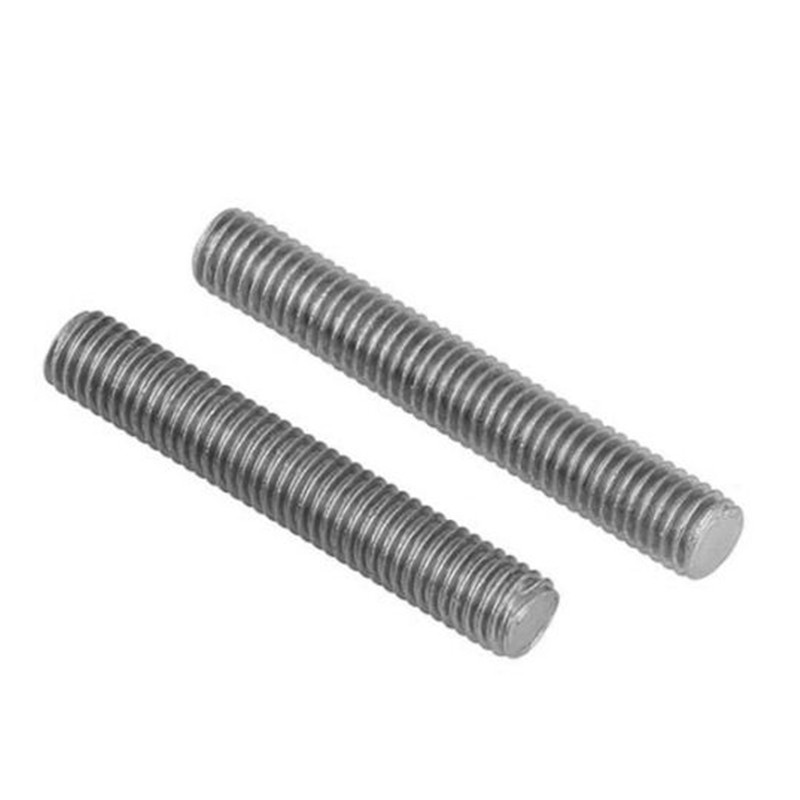
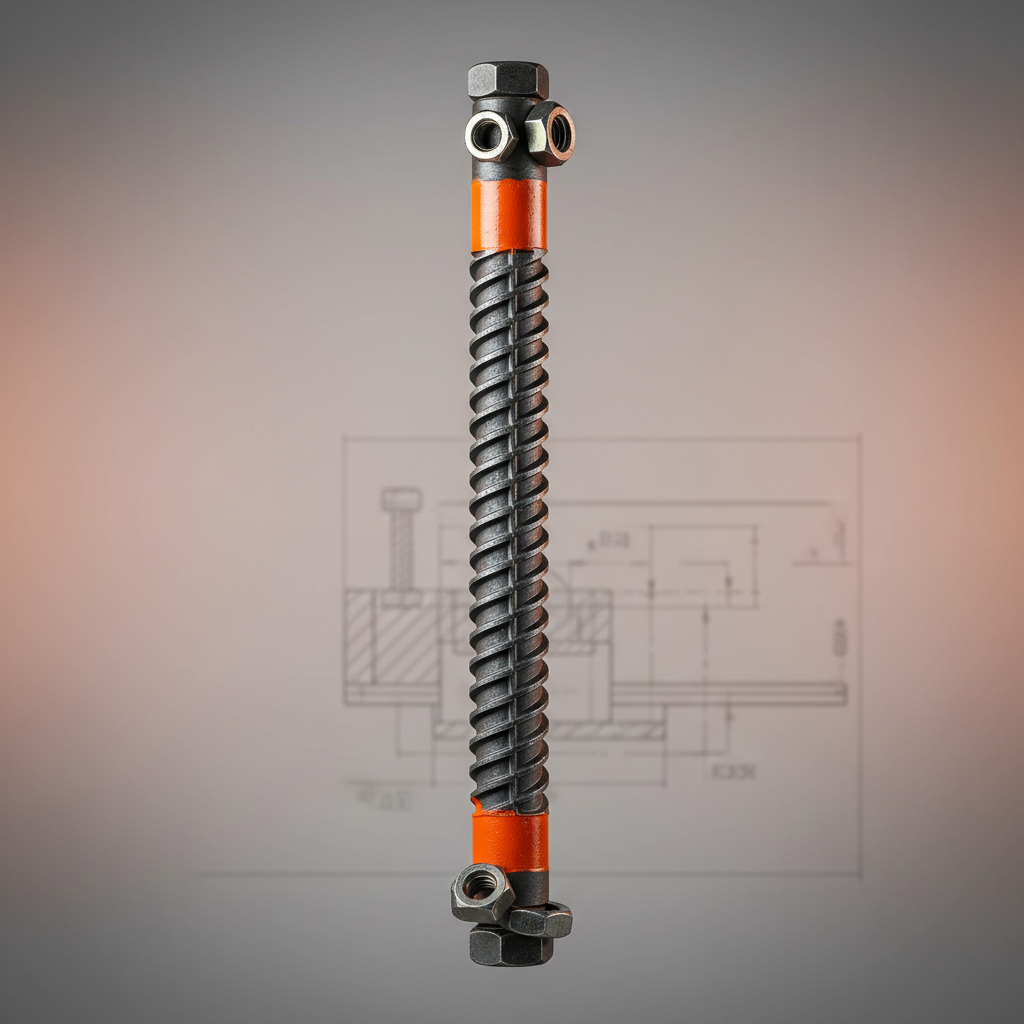
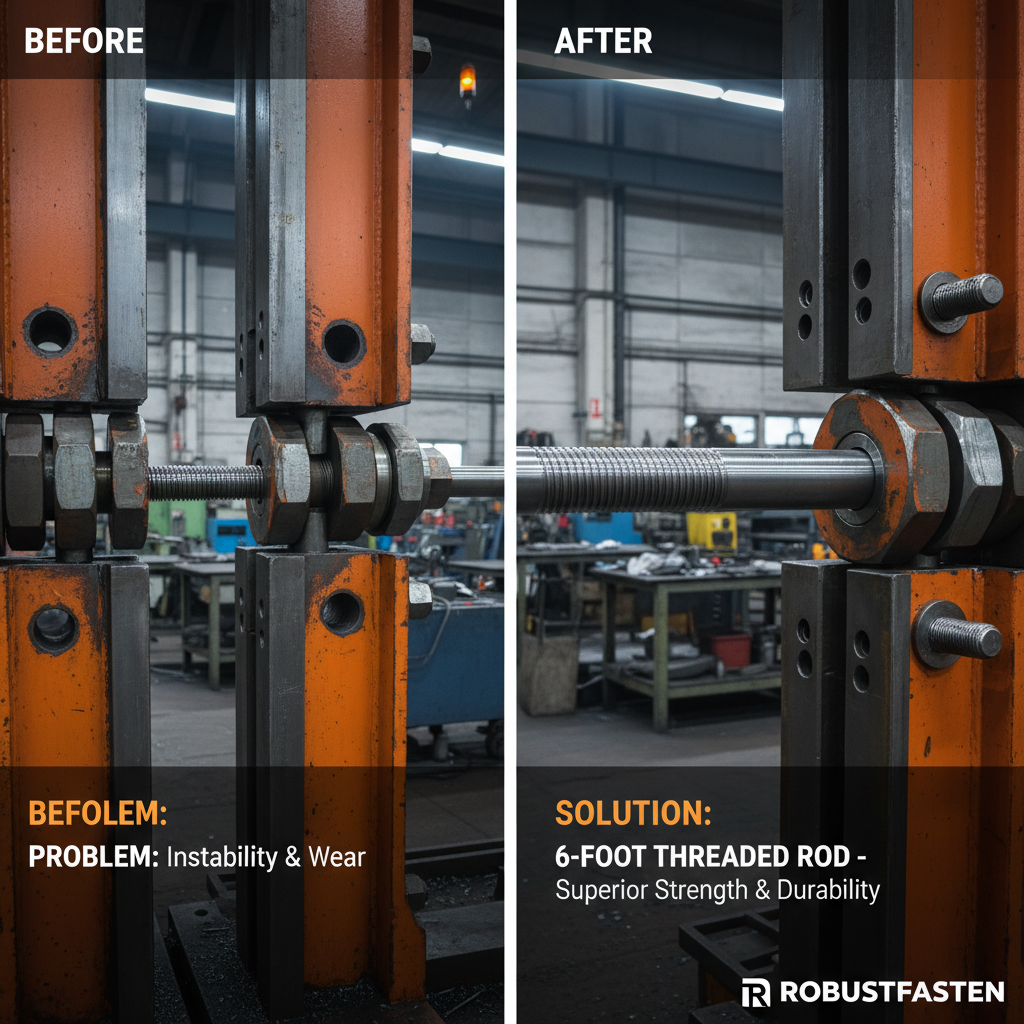
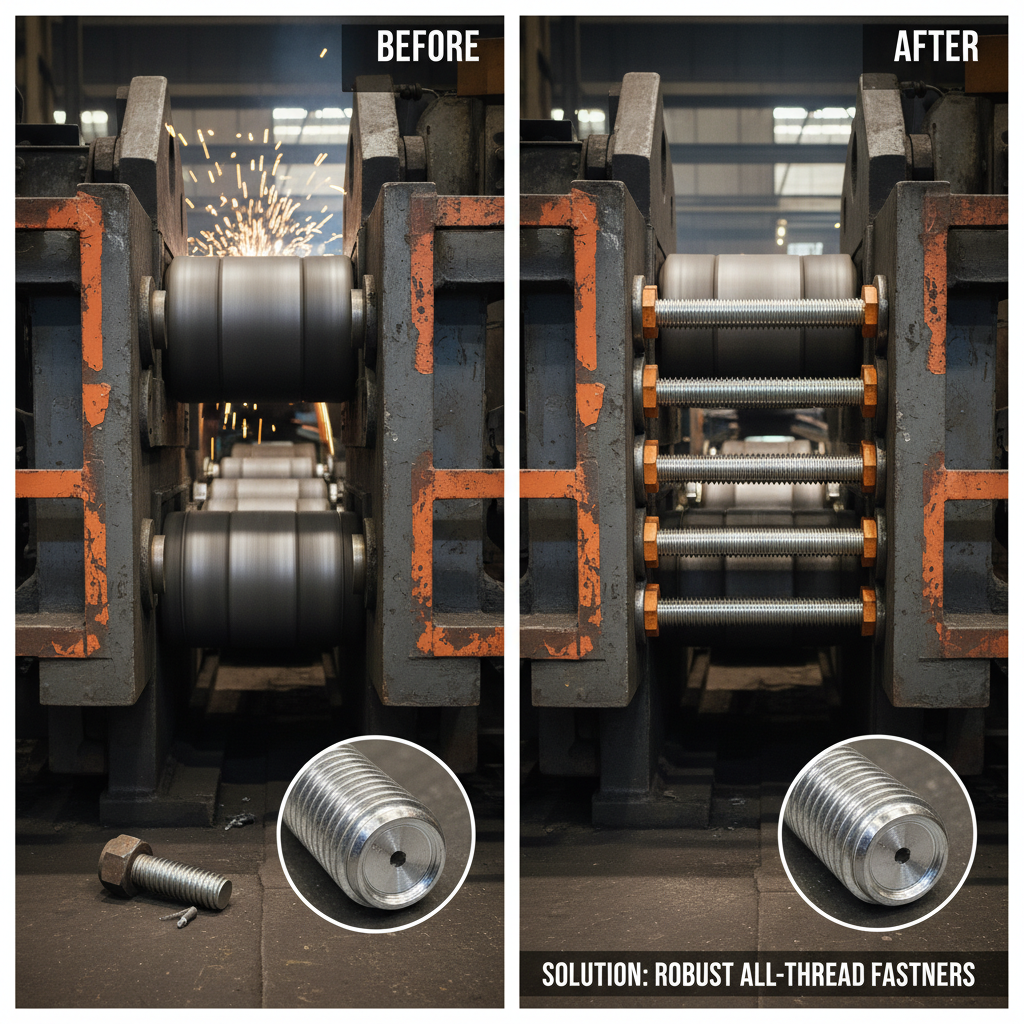
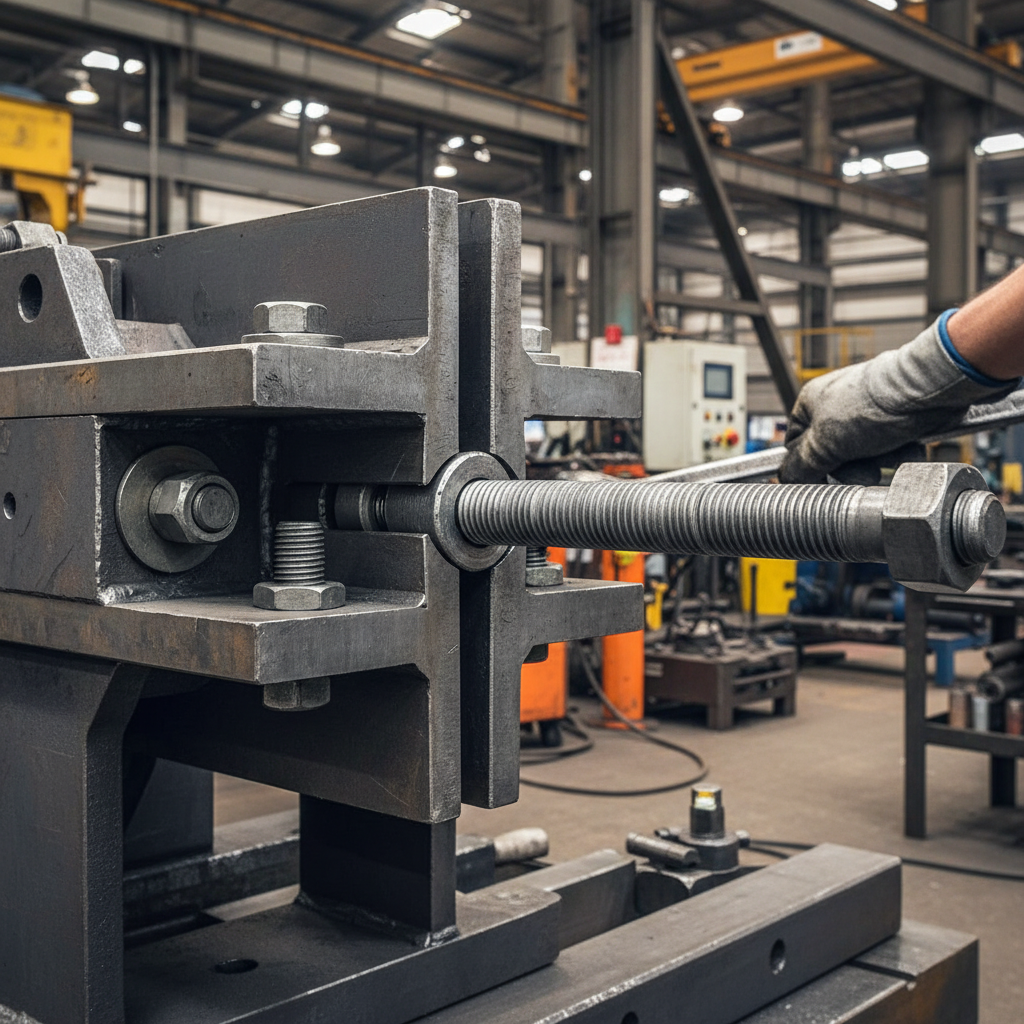
Threaded rods, in general, are like the Swiss army knives of fasteners — super versatile, easy to cut to length, and compatible with a slew of nuts, washers, and fixtures. Now, the 25 mm size hits a nice sweet spot. It’s beefy enough for a lot of heavy-duty applications without being overkill. Frankly, I’ve seen designers rely on them for everything from steel frameworks to pipe supports, and sometimes even for custom jigs in manufacturing lines. The diameter isn’t just a number; it really affects load capacity, which we’ll go into a bit later.
One thing I noticed early on is that the material quality and thread precision make a world of difference. Most rods come in carbon steel, stainless steel, or alloy steel. Each has its perks: carbon steel is cost-effective but prone to corrosion if you’re outdoors, stainless steel is excellent for corrosion resistance especially in environments like chemical plants, and alloy steel offers outstanding strength. The rods I usually specify for high-stress jobs are grade 8.8 or above — because, in real terms, even a tiny thread imperfection can lead to fatigue failure during continuous vibration or heavy loads.
Here’s a quick spec snapshot of a typical 25 mm threaded rod you might consider:
| Specification | Details |
|---|---|
| Diameter | 25 mm |
| Thread Pitch | 3.0 mm (standard metric coarse) |
| Material | Carbon Steel / Stainless Steel / Alloy Steel |
| Length | Customizable (commonly 1m, 2m, 3m) |
| Tensile Strength | Typically 800 MPa (grade 8.8) |
| Surface Finish | Zinc plated / Hot-dip galvanized / Plain |
Now, one thing from experience: Vendor choice matters a lot. You want a supplier who guarantees batch traceability and consistent thread quality because you really don't want to discover inconsistent threading on site during installation — it’s the kind of hassle no one wants to deal with after hours or on weekends. Here’s a simple comparison of three well-known suppliers in this space:
| Supplier | Material Grades | Custom Lengths | Lead Time | Quality Certifications |
|---|---|---|---|---|
| SteelPro | Carbon, Alloy | Yes | 2 weeks | ISO 9001 |
| HBTBLS | Carbon, Stainless, Alloy | Yes, made to order | 1 week | ISO 9001, ASTM |
| FastenRight | Carbon only | Limited | 3–4 weeks | ISO 9001 |
One last anecdote — we once had a client needing to retrofit a pipe support rack inside a chemical processing plant. Corrosion resistance was key, and the choice of a 25 mm stainless steel threaded rod from a trusted vendor avoided costly failures they'd experienced in the past. It was a lesson that, in industrial equipment, cutting corners on what looks like a "small" fastener can lead to disproportionate headaches.
So, if you ask me, whether you’re fabricating heavy civil structures, assembling machinery, or even in maintenance, the 25 mm threaded rod stands out as a reliable, straightforward choice. And if you want one supplier recommendation, well, the folks at HBTBLS have impressed me with quality and service over the years.
That’s my two cents. Hopefully, it helps next time you specify your fastenings!
References:
1. ASTM A108/A108M Standard Specification for Steel Bars
2. ISO 9001 Quality Management Systems Guidelines
3. Machinery’s Handbook, 30th Edition
Post time: Dec . 31, 2025 04:40



 English
  Albanian
  Arabic
  Armenian
  Azerbaijani
  Belarusian
  Bosnian
  Bulgarian
  Cebuano
  Corsican
  Czech
Czech  Galician
  Georgian
  Greek
Greek  Hausa
Hausa  Hebrew
  Hungarian
  Igbo
Igbo  Indonesian
  Italian
  Kazakh
  Khmer
Khmer  Korean
  Kurdish
  Kyrgyz
  Lao
Lao  Latin
Latin  Latvian
  Lithuanian
  Malay
Malay  Myanmar
  Nepali
  Polish
  Portuguese
  Russian
  Serbian
  Sesotho
  Shona
Shona  Sindhi
  Spanish
  Tagalog
  Tajik
Tajik  Thai
Thai  Turkish
  Turkmen
  Ukrainian
  Uzbek
Uzbek  Vietnamese
  Yoruba
  Zulu
Zulu