
Understanding the 1/4 40 Threaded Rod: A Veteran’s Perspective
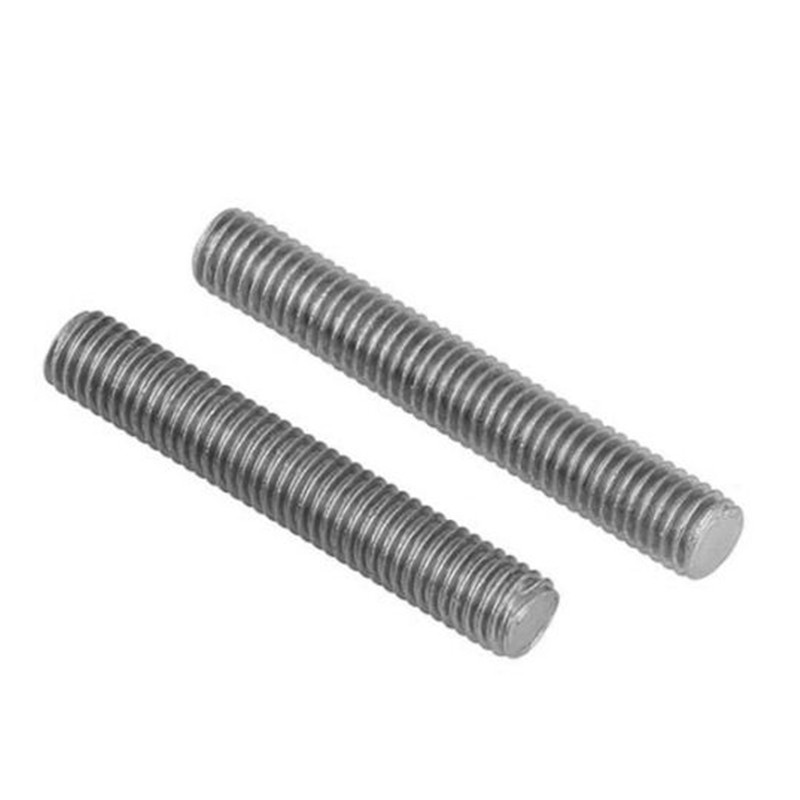
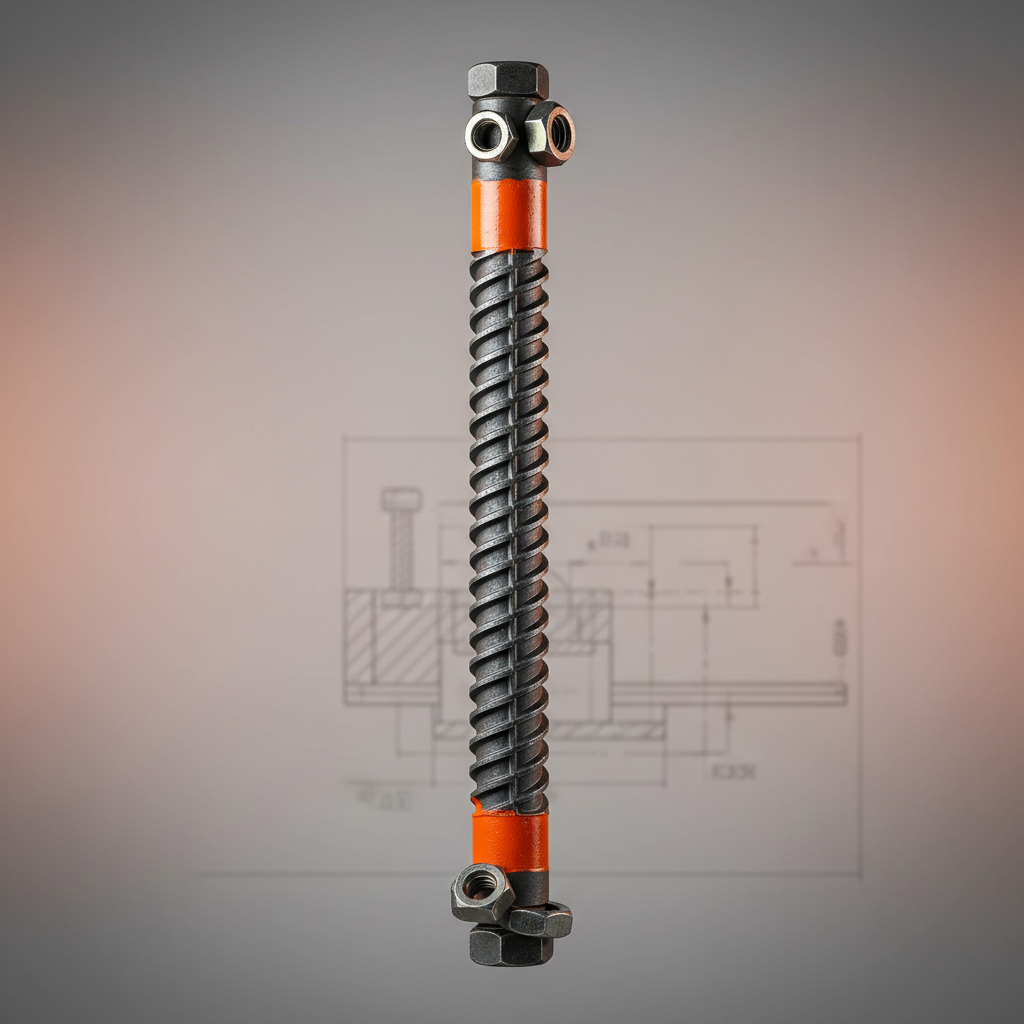
Having spent quite a few years in the industrial equipment game, I can tell you that sometimes it’s the smallest components that turn out to be the unsung heroes of a project. The 1/4 40 threaded rod is one of those bits — tiny but mighty, incredibly precise, and surprisingly versatile.
Oddly enough, many folks outside the trenches don’t quite grasp why a threaded rod with a pitch as fine as 40 threads per inch even exists. But for engineers, machinists, and installers who demand exact control, these rods are essential. Frankly, it’s that fine threading that allows for really subtle adjustments. When you need to tension something just right — without any play or guesswork — 1/4 40 rods shine.
Here’s a little insider view: in many industrial settings, it’s not just about raw strength. It’s about precision, reliability, and compatibility with specialty fasteners. A 1/4 40 threaded rod is often chosen for its incredibly fine thread pitch, which offers superior holding power compared to coarser threads. This makes it particularly favored in precision instruments, aerospace, and high-end manufacturing lines where vibration resistance is key.
From my experience, the materials used for these rods can vary, but stainless steel and alloy steel versions are the go-to for heavy-duty or corrosive environments. I’ve seen components last years under constant stress simply because the threaded rod was correctly specified — kind of humbling when you think a small rod shoulders so much responsibility.
| Spec | Detail |
|---|---|
| Diameter | 1/4 inch (0.25 in) |
| Thread Pitch | 40 threads per inch (TPI) |
| Material | Stainless Steel, Alloy Steel, Carbon Steel |
| Finish | Plain, Zinc Plated, Black Oxide |
| Common Lengths | 6 in, 12 in, 24 in (custom available) |
| Standards | ASME B1.1 Unified Inch Screw Threads |
You know, one of the things that caught my attention early on was how different vendors position their products. In a sector like ours, comparing suppliers isn’t just about price or lead times, but often about quality assurance, threading consistency, and technical support. Some suppliers offer impressive customization options that can be a game-changer, especially when you’ve got a one-off assembly that demands exact fitment.
| Vendor | Material Options | Customization | Typical Lead Time |
|---|---|---|---|
| HBT BLS | Stainless, Alloy, Carbon | Custom lengths, thread finishes | 1-2 weeks |
| Industrial Fasteners Co. | Carbon, Zinc Plated | Limited customization | 2-3 weeks |
| Precision Thread Works | Stainless only | Length & material customization | 3-4 weeks |
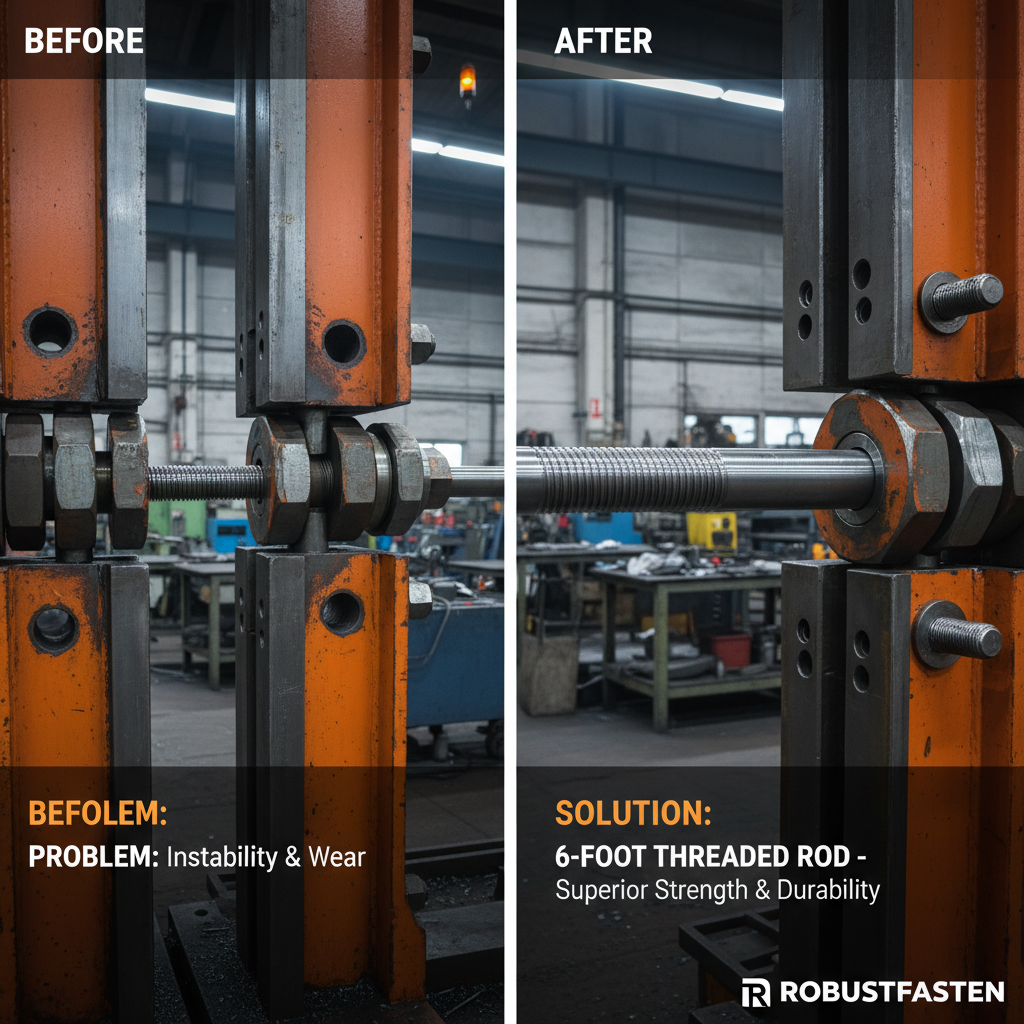
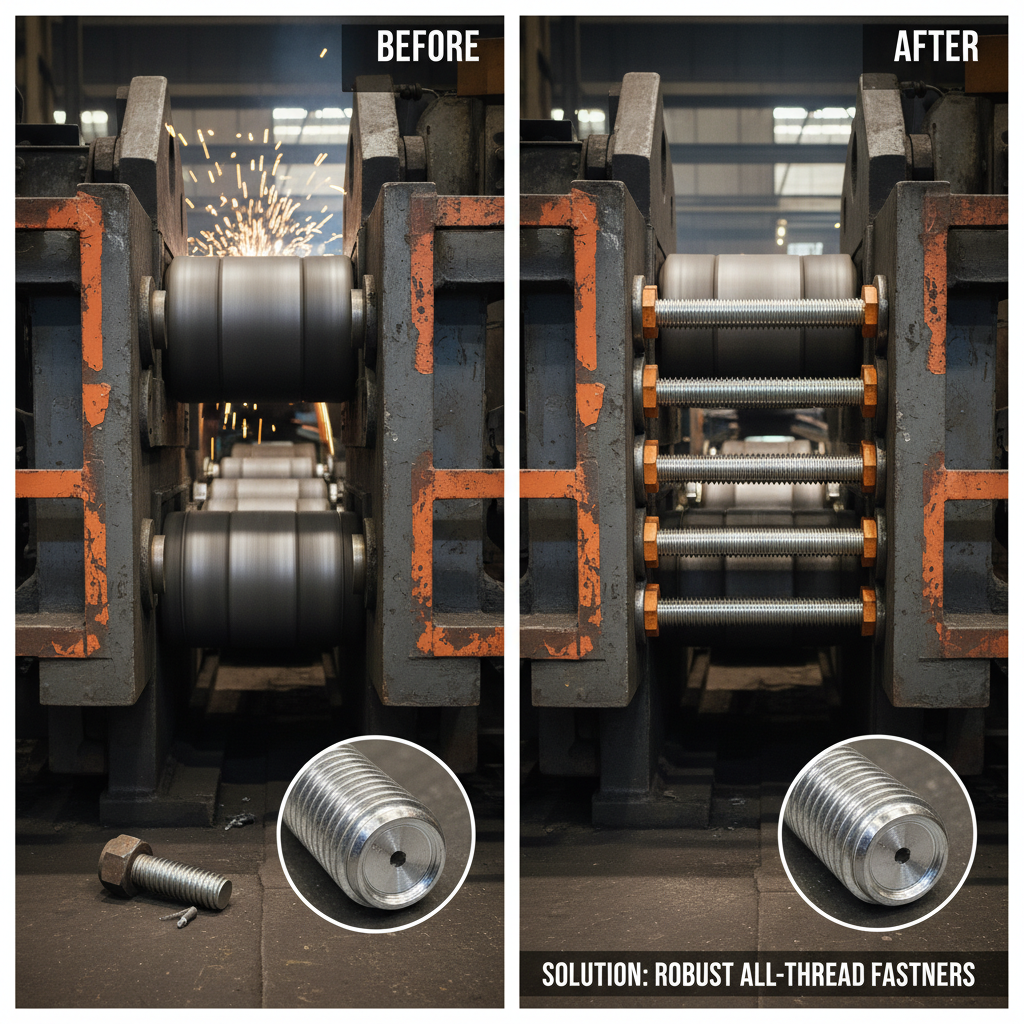
Speaking of real-world application, I remember a project where vibration and thermal expansion were a nightmare — most threaded rods just couldn't maintain tension. We switched to a 1/4 40 stainless steel threaded rod, and it performed flawlessly, keeping everything snug without corroding or loosening. Small details like that can save hours — even days — of troubleshooting on site.
Many engineers I talk to swear by the 1/4 40 for similar reasons; it’s just a matter of pairing the right thread density with material specifications. Sometimes it feels like a hidden art, this thread selection, and experience really counts.
In terms of testing and quality, the tolerances on these rods are tight. Usually, you want an ISO 9001-certified supplier to guarantee thread uniformity and tensile strength. If there’s a weak spot, it’s often in cheaper or unbranded rods that skip thorough inspection — a risk I wouldn’t take, especially in critical assemblies.
If you’re shopping around, it pays to consider your ultimate application, environment, and mechanical stresses. And, of course, timing. Customization might add days but save you headaches in fitment.
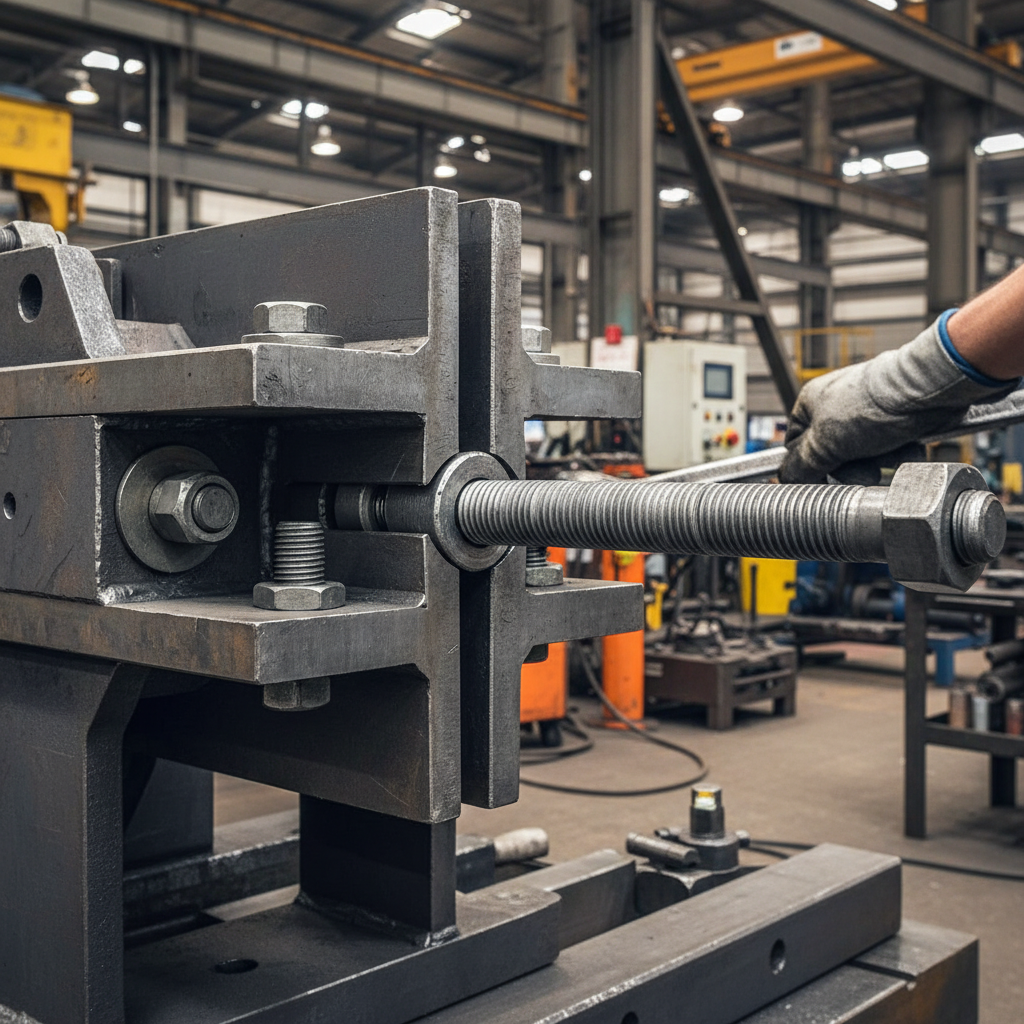
So, while a 1/4 40 threaded rod may not look like much, it’s a precision piece that quite literally holds things together — often under the most demanding conditions.
Oddly enough, its humble profile belies how critical it can be. If you’re in the industrial field, it’s well worth getting familiar — and maybe even having a few spares on hand. You never know when you’ll need that fine-threaded precision to fix a stubborn alignment issue or secure a delicate assembly.
In the end, it’s the attention to these nuanced details that separates “good enough” from “mission accomplished.”
References:
1. ASME B1.1 Standards Documentation
2. Practical Fastening Solutions in Industrial Applications, 2021
3. Field notes and interviews from over 10 years in industrial equipment maintenance
Post time: Dec . 03, 2025 13:12



 English
  Albanian
  Arabic
  Armenian
  Azerbaijani
  Belarusian
  Bosnian
  Bulgarian
  Cebuano
  Corsican
  Czech
Czech  Galician
  Georgian
  Greek
Greek  Hausa
Hausa  Hebrew
  Hungarian
  Igbo
Igbo  Indonesian
  Italian
  Kazakh
  Khmer
Khmer  Korean
  Kurdish
  Kyrgyz
  Lao
Lao  Latin
Latin  Latvian
  Lithuanian
  Malay
Malay  Myanmar
  Nepali
  Polish
  Portuguese
  Russian
  Serbian
  Sesotho
  Shona
Shona  Sindhi
  Spanish
  Tagalog
  Tajik
Tajik  Thai
Thai  Turkish
  Turkmen
  Ukrainian
  Uzbek
Uzbek  Vietnamese
  Yoruba
  Zulu
Zulu